THE ADVENTURE COLLECTIVE® · Independent discovery and booking for outdoor travel

Cross the border for a half-day private trip from Dubrovnik to Trebinje, combining an ancient monastery, riverside Old Town, a panoramic viewpoint and optional wine tasting at a historic cellar. This tour pairs cultural stops with short walks and a traditional Bosnian lunch.
Cross the border for a half-day private trip from Dubrovnik to Trebinje, combining an ancient monastery, riverside Old Town, a panoramic viewpoint and optional wine tasting at a historic cellar. This tour pairs cultural stops with short walks and a traditional Bosnian lunch.
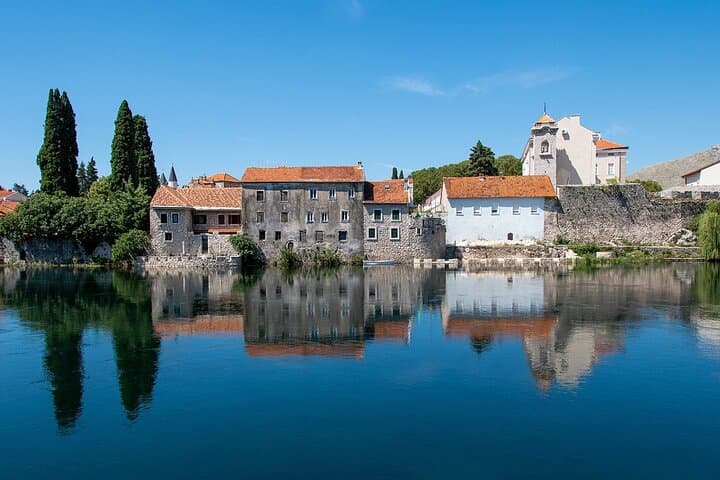
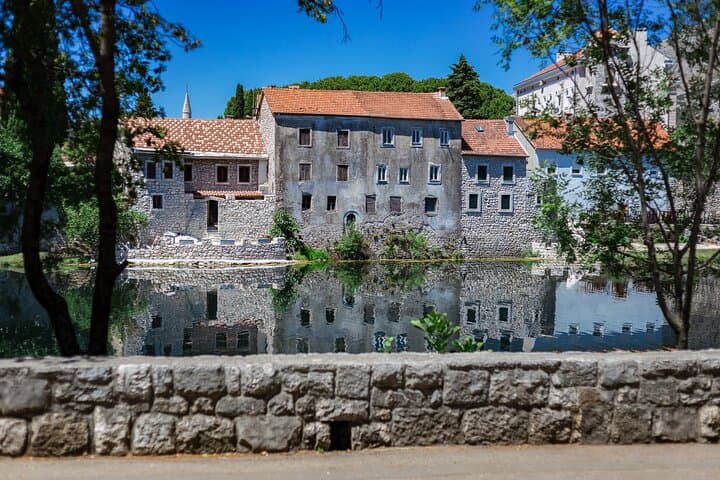
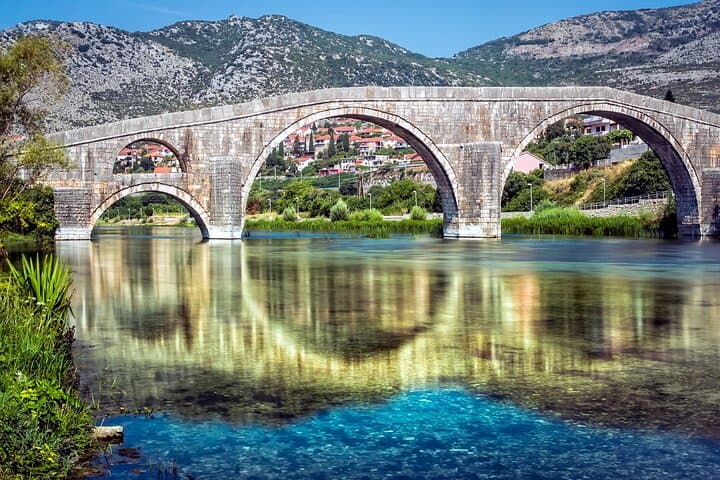
The road from Dubrovnik eases out of the city and becomes a ribbon of cypress and olive groves, the Adriatic shrinking behind you while karst ridges rise ahead. In a matter of an hour the bus slips across the border into Bosnia and Herzegovina and you arrive in Trebinje: a small riverside town where stone streets lean toward the river and a viewpoint over the Arslanagica bridge frames blue mountains far inland.
Verified experiences and guided adventures in the surrounding area.
Operated by Cava tours Dubrovnik · Trebinje, Republika Srpska
The road from Dubrovnik eases out of the city and becomes a ribbon of cypress and olive groves, the Adriatic shrinking behind you while karst ridges rise ahead. In a matter of an hour the bus slips across the border into Bosnia and Herzegovina and you arrive in Trebinje: a small riverside town where stone streets lean toward the river and a viewpoint over the Arslanagica bridge frames blue mountains far inland.
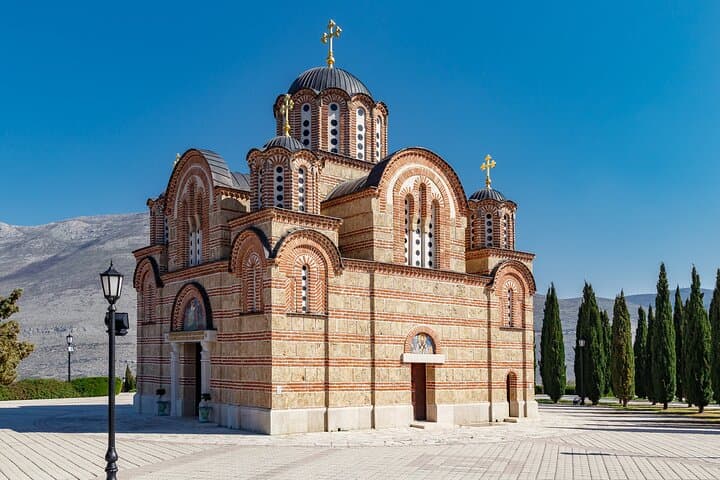
Trebinje’s center grew around medieval trade routes and later Ottoman and Austro-Hungarian influences, which you can read in the mix of architecture and the 1600-year-old Orthodox monastery outside town. The monastery’s wine cellar—lined with large oak barrels—underscores the region’s long winemaking tradition; small family producers still press local varietals that do well in the warm, dry microclimate.
Expect a compact itinerary: a short walking tour of Old Town, a climb to a scenic overlook, a monastery visit with optional tasting, and a relaxed lunch at a traditional konoba (local restaurant). The drive and stops make this a 6–7 hour round trip from Dubrovnik.
Practical notes: bring your passport for the border crossing, dress modestly for the monastery (shoulders and knees covered), and carry local currency for small purchases—some vendors accept euros but the Convertible Mark (BAM) is standard. Comfortable walking shoes and sun protection matter; the town’s streets are stone and the viewpoint is exposed. If you’re tight on time, plan the earliest pickup to avoid afternoon heat and traffic returning to Dubrovnik.
easy.
6–7 hours.
Suitable for travelers in normal, everyday fitness; involves short, easy walks on stone streets and a brief uphill viewpoint climb.
The crossing takes roughly 45–75 minutes depending on traffic and border formalities; the full tour is about 6–7 hours including stops.
Wine tasting at the monastery is optional and typically paid on-site; prices are usually very affordable per glass.
Lunch at a traditional restaurant is usually not included; the itinerary includes a recommended stop but you’ll pay for your own meal.
The tour is rated easy and tolerates strollers in town, but stone streets and steps can be uneven—access inside the monastery may be limited.
Trebinje grew as a crossroads of medieval trade and later absorbed Ottoman and Austro-Hungarian influences; its monastery reflects centuries of Orthodox presence in the region.
The karst landscape is sensitive to development and water usage; favor local businesses and avoid single-use plastics to reduce impact.
Cava tours Dubrovnik operates guided outdoor trips and adventures with an emphasis on safety, stewardship, and memorable experiences.
The road from Dubrovnik eases out of the city and becomes a ribbon of cypress and olive groves, the Adriatic shrinking behind you while karst ridges rise ahead. In a matter of an hour the bus slips across the border into Bosnia and Herzegovina and you arrive in Trebinje: a small riverside town where stone streets lean toward the river and a viewpoint over the Arslanagica bridge frames blue mountains far inland.
The road from Dubrovnik eases out of the city and becomes a ribbon of cypress and olive groves, the Adriatic shrinking behind you while karst ridges rise ahead. In a matter of an hour the bus slips across the border into Bosnia and Herzegovina and you arrive in Trebinje: a small riverside town where stone streets lean toward the river and a viewpoint over the Arslanagica bridge frames blue mountains far inland.
Trebinje’s center grew around medieval trade routes and later Ottoman and Austro-Hungarian influences, which you can read in the mix of architecture and the 1600-year-old Orthodox monastery outside town. The monastery’s wine cellar—lined with large oak barrels—underscores the region’s long winemaking tradition; small family producers still press local varietals that do well in the warm, dry microclimate.
Expect a compact itinerary: a short walking tour of Old Town, a climb to a scenic overlook, a monastery visit with optional tasting, and a relaxed lunch at a traditional konoba (local restaurant). The drive and stops make this a 6–7 hour round trip from Dubrovnik.
Practical notes: bring your passport for the border crossing, dress modestly for the monastery (shoulders and knees covered), and carry local currency for small purchases—some vendors accept euros but the Convertible Mark (BAM) is standard. Comfortable walking shoes and sun protection matter; the town’s streets are stone and the viewpoint is exposed. If you’re tight on time, plan the earliest pickup to avoid afternoon heat and traffic returning to Dubrovnik.