THE ADVENTURE COLLECTIVE® · Independent discovery and booking for outdoor travel

Spend a private half day trekking Mount Vesuvius: a 4 km, 140 m ascent trail to the crater rim with private transport from Naples. Expect loose volcanic terrain, sweeping bay views, and optional local wine stops after your hike.
Spend a private half day trekking Mount Vesuvius: a 4 km, 140 m ascent trail to the crater rim with private transport from Naples. Expect loose volcanic terrain, sweeping bay views, and optional local wine stops after your hike.
You step out of the air-conditioned van and the world shifts: volcanic pumice underfoot, a dry wind pushing up from the gulf, and the crater rim of Vesuvius looming like a raw, open wound in the landscape. The two-hour trek follows a compact 4 km out-and-back route with roughly 140 m of ascent, so the path alternates between loose tephra and harder packed ash. The summit trail climbs steadily; the crater peers back at you, its edges scarred by ancient flows.
Verified experiences and guided adventures in the surrounding area.
Operated by Pompeii Transfer Car · Naples, Campania
You step out of the air-conditioned van and the world shifts: volcanic pumice underfoot, a dry wind pushing up from the gulf, and the crater rim of Vesuvius looming like a raw, open wound in the landscape. The two-hour trek follows a compact 4 km out-and-back route with roughly 140 m of ascent, so the path alternates between loose tephra and harder packed ash. The summit trail climbs steadily; the crater peers back at you, its edges scarred by ancient flows.
Vesuvius is defined by its violent history—the 79 AD eruption that buried Pompeii and Herculaneum—yet its geology is active and visible in layered lavas and pumice beds. Local villages around the volcano make wines on volcanic soils and keep a culture shaped by both fertility and threat.
Practical guidance is simple and direct: allow two hours on the trail within a 3–4 hour private trip that includes pickup and drop-off. The climb is suitable for most walkers but expect a steady gradient around 14% in sections and loose footing. There’s no included summit guide or crater-entry ticket unless arranged, and weather can change quickly above 1,200 m.
Bring sturdy shoes with grip, sun protection, and a daypack with water; layers are useful for winds on the rim. Mornings are cooler and less crowded; late afternoon light is dramatic but the path can be dustier. With a private vehicle waiting and an English-speaking driver, the logistical side is relaxed—so you can focus on the smell of sulfur on the breeze and the view down toward the Bay of Naples.
moderate.
2–4 hours.
Suitable for walkers with basic fitness able to hike 4 km with a steady 140 m ascent; not recommended for those with mobility limits.
The guided-free hike is about 4 km round-trip and takes roughly 2 hours including stops, with about 140 m of elevation gain.
No—crater access tickets and a local park guide are typically separate; the private tour provides transport and pickup only unless otherwise arranged.
The path is non-technical but has loose sections; children and older adults in reasonable health can usually manage it, but mobility issues may make it difficult.
Early morning for cooler temperatures and fewer people; late afternoon gives dramatic views but stronger winds and dustier trails.
Vesuvius’ 79 AD eruption buried nearby Roman towns; subsequent eruptions shaped the current cone and the fertile soils used for vineyards.
Vesuvius National Park protects fragile volcanic soils and endemic plants—stay on marked paths, carry out waste, and avoid collecting rocks.
Pompeii Transfer Car operates guided outdoor trips and adventures with an emphasis on safety, stewardship, and memorable experiences.
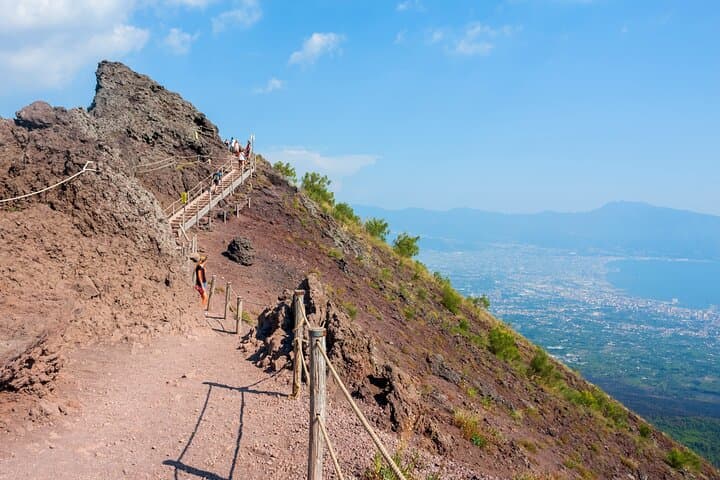
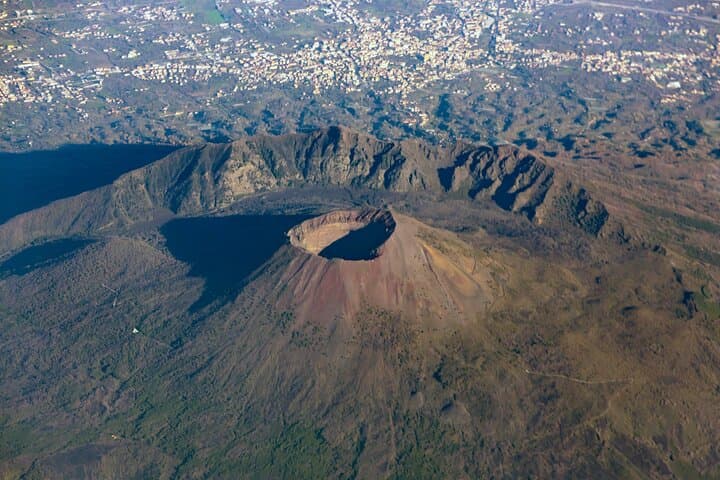
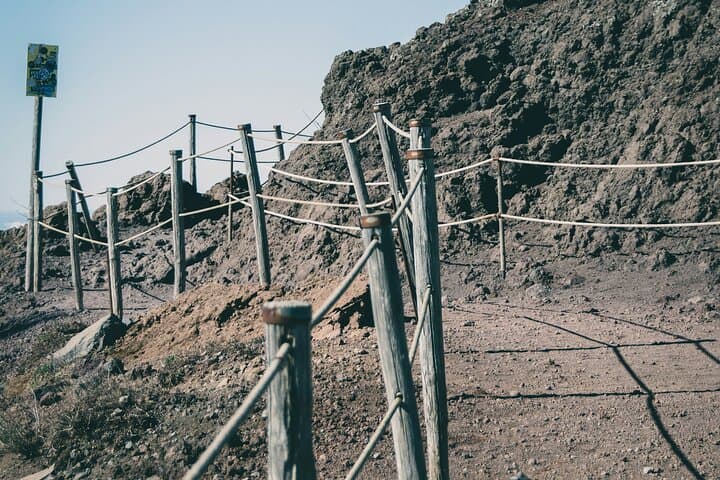
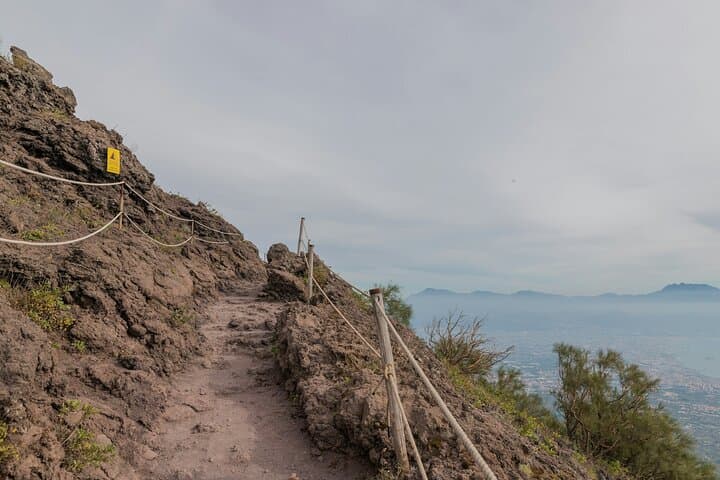
You step out of the air-conditioned van and the world shifts: volcanic pumice underfoot, a dry wind pushing up from the gulf, and the crater rim of Vesuvius looming like a raw, open wound in the landscape. The two-hour trek follows a compact 4 km out-and-back route with roughly 140 m of ascent, so the path alternates between loose tephra and harder packed ash. The summit trail climbs steadily; the crater peers back at you, its edges scarred by ancient flows.
You step out of the air-conditioned van and the world shifts: volcanic pumice underfoot, a dry wind pushing up from the gulf, and the crater rim of Vesuvius looming like a raw, open wound in the landscape. The two-hour trek follows a compact 4 km out-and-back route with roughly 140 m of ascent, so the path alternates between loose tephra and harder packed ash. The summit trail climbs steadily; the crater peers back at you, its edges scarred by ancient flows.
Vesuvius is defined by its violent history—the 79 AD eruption that buried Pompeii and Herculaneum—yet its geology is active and visible in layered lavas and pumice beds. Local villages around the volcano make wines on volcanic soils and keep a culture shaped by both fertility and threat.
Practical guidance is simple and direct: allow two hours on the trail within a 3–4 hour private trip that includes pickup and drop-off. The climb is suitable for most walkers but expect a steady gradient around 14% in sections and loose footing. There’s no included summit guide or crater-entry ticket unless arranged, and weather can change quickly above 1,200 m.
Bring sturdy shoes with grip, sun protection, and a daypack with water; layers are useful for winds on the rim. Mornings are cooler and less crowded; late afternoon light is dramatic but the path can be dustier. With a private vehicle waiting and an English-speaking driver, the logistical side is relaxed—so you can focus on the smell of sulfur on the breeze and the view down toward the Bay of Naples.