THE ADVENTURE COLLECTIVE® · Independent discovery and booking for outdoor travel

Spend a focused half day exploring Qixia Temple’s stupa, cliff‑carved Buddhas and the dramatic Swallow Rock in the Yangtze. This private tour pairs cultural history with short forested walks and river views.
Spend a focused half day exploring Qixia Temple’s stupa, cliff‑carved Buddhas and the dramatic Swallow Rock in the Yangtze. This private tour pairs cultural history with short forested walks and river views.
You arrive in the soft morning light as the air off the Yangtze cools the city. The private car climbs Qixia Mountain and the first view is stone and forest: temple roofs puncture green slopes, prayer flags whisper in the breeze, and carved Buddhas watch over a decades‑old pilgrimage route.
Verified experiences and guided adventures in the surrounding area.
Operated by Amazing Shanghai Trip · Nanjing, Jiangsu
You arrive in the soft morning light as the air off the Yangtze cools the city. The private car climbs Qixia Mountain and the first view is stone and forest: temple roofs puncture green slopes, prayer flags whisper in the breeze, and carved Buddhas watch over a decades‑old pilgrimage route.
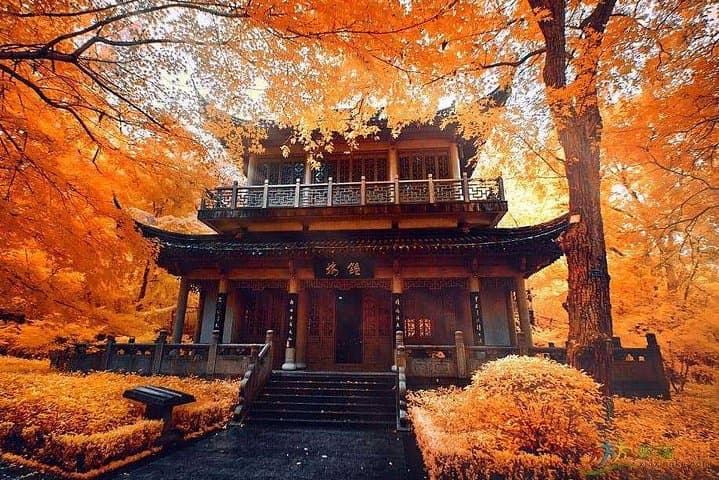
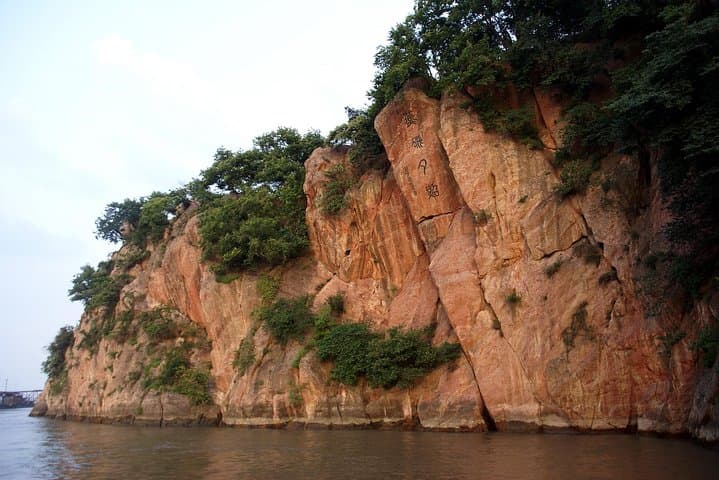
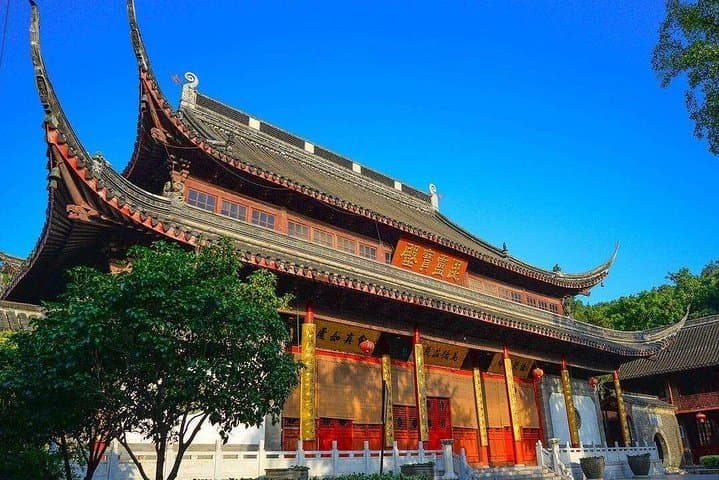
Qixia Temple dates back to the Southern Dynasties and grew into a major Buddhist center through subsequent centuries; its relic pagoda and rows of carved Buddhas document evolving devotional practices and sculpture styles. Geologically, Qixia is granite‑dominated—rounded outcrops, narrow paths and cliff‑faced carvings like the Thousand Buddha Rock. Downriver, Swallow Rock rises from the Yangtze as an isolated 36‑meter outcrop, its silhouette long used by locals as a natural landmark and subject of poems describing boats and seasonal mists.
On a half‑day private tour you’ll move at a steady cultural pace: shrine halls, a relic stupa, short forested trails and a riverside outlook at Swallow Rock. Guides add context—Buddhist iconography, local legends about the rock, plus practical pointers for photos and respectful behavior.
Plan for uneven steps and short uphill stretches; bring a refillable water bottle, sturdy shoes and a hat. Morning visits avoid crowds and heat; winter can be damp and cool. The tour includes guide, private car and entrance fees, with hotel or rail station pickup and drop‑off in Nanjing. Expect 4–5 hours of light walking, quiet viewpoints and a concentrated dose of Jiangsu’s riverside history and landscape.
easy.
4–5 hours.
Suitable for most fitness levels; involves short uphill walks and stairs.
Yes — the tour price covers entrance fees for Qixia Temple and Swallow Rock viewpoints.
Yes — the tour includes pickup and drop‑off from Nanjing hotels or the railway station with advance details.
Parts of Qixia Temple and Swallow Rock have steps and uneven trails; access is limited for standard wheelchairs—contact the operator for specific arrangements.
Lunch is optional; the tour can include a local meal if you select the meal add‑on when booking.
Qixia Temple originated during the Southern Dynasties and expanded over centuries into an important Buddhist center noted for its relic pagoda and sculpture.
Stay on designated paths, carry out any litter, and avoid touching carved surfaces—these measures help protect fragile stonework and riverside ecosystems.
Amazing Shanghai Trip operates guided outdoor trips and adventures with an emphasis on safety, stewardship, and memorable experiences.
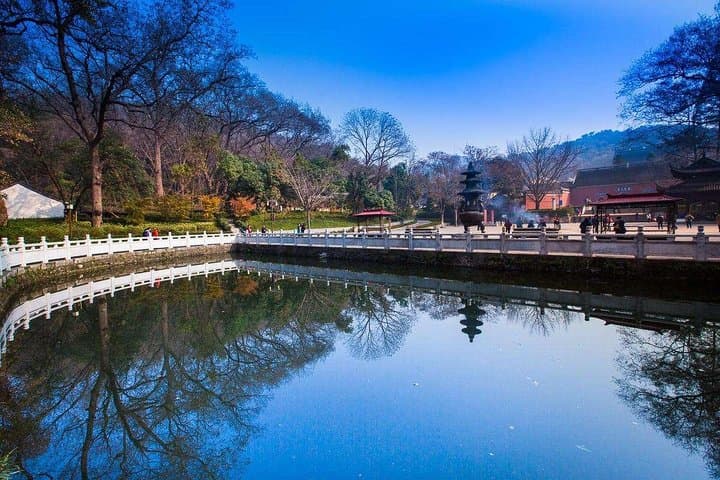
You arrive in the soft morning light as the air off the Yangtze cools the city. The private car climbs Qixia Mountain and the first view is stone and forest: temple roofs puncture green slopes, prayer flags whisper in the breeze, and carved Buddhas watch over a decades‑old pilgrimage route.
You arrive in the soft morning light as the air off the Yangtze cools the city. The private car climbs Qixia Mountain and the first view is stone and forest: temple roofs puncture green slopes, prayer flags whisper in the breeze, and carved Buddhas watch over a decades‑old pilgrimage route.
Qixia Temple dates back to the Southern Dynasties and grew into a major Buddhist center through subsequent centuries; its relic pagoda and rows of carved Buddhas document evolving devotional practices and sculpture styles. Geologically, Qixia is granite‑dominated—rounded outcrops, narrow paths and cliff‑faced carvings like the Thousand Buddha Rock. Downriver, Swallow Rock rises from the Yangtze as an isolated 36‑meter outcrop, its silhouette long used by locals as a natural landmark and subject of poems describing boats and seasonal mists.
On a half‑day private tour you’ll move at a steady cultural pace: shrine halls, a relic stupa, short forested trails and a riverside outlook at Swallow Rock. Guides add context—Buddhist iconography, local legends about the rock, plus practical pointers for photos and respectful behavior.
Plan for uneven steps and short uphill stretches; bring a refillable water bottle, sturdy shoes and a hat. Morning visits avoid crowds and heat; winter can be damp and cool. The tour includes guide, private car and entrance fees, with hotel or rail station pickup and drop‑off in Nanjing. Expect 4–5 hours of light walking, quiet viewpoints and a concentrated dose of Jiangsu’s riverside history and landscape.