THE ADVENTURE COLLECTIVE® · Independent discovery and booking for outdoor travel

Explore Maruyama’s forests, a historic Shinto shrine, the Sapporo Olympic Museum and Okurayama’s viewing point on a private half-day tour. Expect easy walking, interactive exhibits and a chair lift ascent with sweeping city views.
Explore Maruyama’s forests, a historic Shinto shrine, the Sapporo Olympic Museum and Okurayama’s viewing point on a private half-day tour. Expect easy walking, interactive exhibits and a chair lift ascent with sweeping city views.
You step out of Maruyama-Koen Station into a pocket of cool air and old pines; the city noise slips behind you and the path leads toward shrine gates and a slope that still remembers Olympic cheers.
Verified experiences and guided adventures in the surrounding area.
Operated by OTOMO Travel Guide · Sapporo, Hokkaido
You step out of Maruyama-Koen Station into a pocket of cool air and old pines; the city noise slips behind you and the path leads toward shrine gates and a slope that still remembers Olympic cheers.
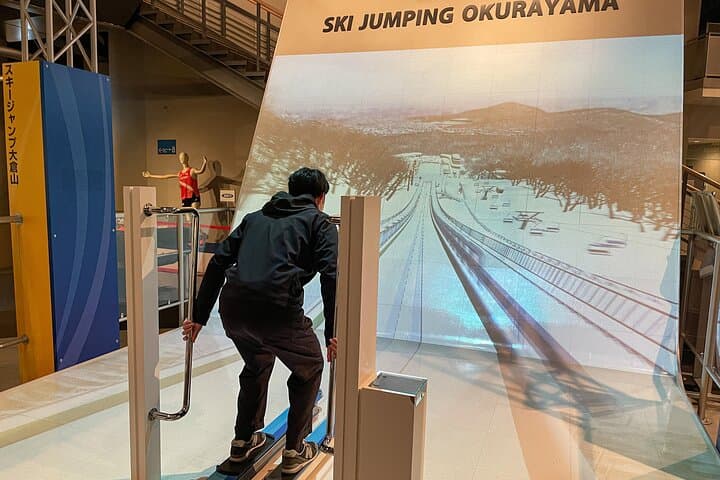
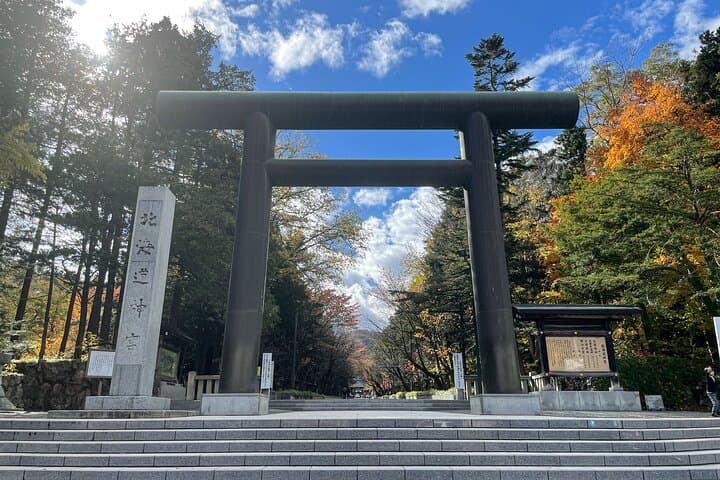
This half-day private tour threads Maruyama Park’s protected "virgin forest" with the modern drama of the 1972 Winter Games. At Hokkaido Jingu you encounter a living shrine built for early settlers, its cedar steps worn smooth by pilgrims; nearby, a tiny Rokkatei teahouse sells a baked confection you’ll only find here. The Sapporo Olympic Museum, opened after the 1972 Games, combines archival displays with interactive simulators that let you feel the posture of a jumper or the push of a bobsled—history you can move through.
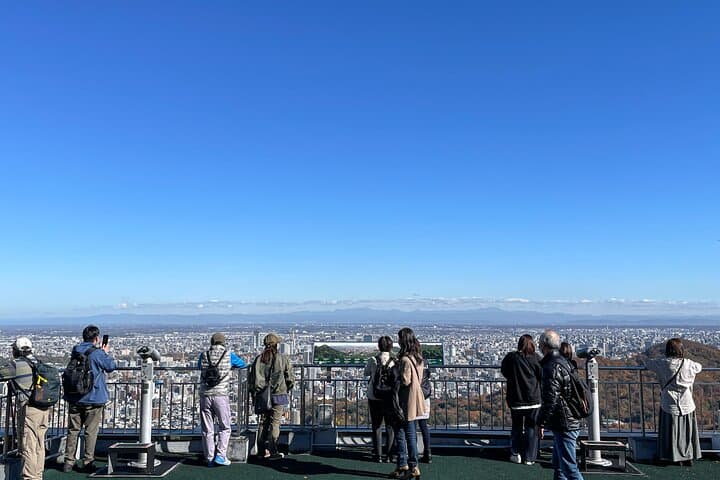
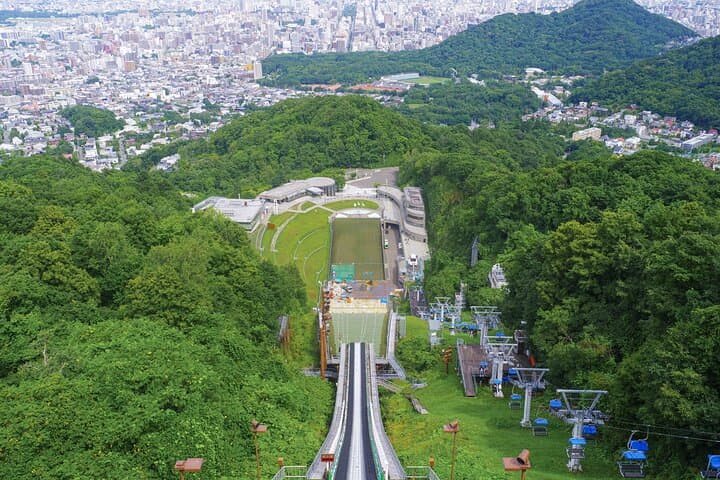
Then a chair lift hums you toward Okurayama’s viewing point. From the top the ski jump’s steep profile dares you to imagine the athletes who launch from here; the city spreads beneath like an arranged map of streets and river.
Practical edge: the route is mostly paved and suitable for moderate walking but includes stairs and a chair lift ride. Allow 3–4 hours, bring small bills for museum experiences and shrine offerings, and expect changing microclimates between forest shade and exposed ridge. Winter requires heavy outerwear; cherry blossom season fills the park with crowds—visit early to avoid them.
This tour balances cultural context, light exertion, and a compact set of memorable stops—ideal for travelers who want Sapporo beyond downtown ramen and shopping.
easy.
3–4 hours.
Suitable for most fitness levels; requires steady mobility for walking 2–4 km and climbing stairs
Expect 3–4 hours with light-to-moderate walking (roughly 2–4 km) on paved paths, stairs and park trails.
Admission is not included in the base price—bring extra funds if you want simulator experiences at the Sapporo Olympic Museum.
Yes—the tour runs year-round but routes or stops may change due to weather or competition closures at Okurayama.
The itinerary notes stroller accessibility in parts, but there are stairs and a chair lift; discuss any mobility needs when booking.
Maruyama and Okurayama are tied to Sapporo’s modern identity: Hokkaido Jingu honors early settlers while Okurayama hosted ski jumping in the 1972 Winter Olympics.
Maruyama’s "virgin forest" is designated a national natural treasure—stay on trails, avoid trampling roots, and respect shrine grounds.
OTOMO Travel Guide operates guided outdoor trips and adventures with an emphasis on safety, stewardship, and memorable experiences.
You step out of Maruyama-Koen Station into a pocket of cool air and old pines; the city noise slips behind you and the path leads toward shrine gates and a slope that still remembers Olympic cheers.
You step out of Maruyama-Koen Station into a pocket of cool air and old pines; the city noise slips behind you and the path leads toward shrine gates and a slope that still remembers Olympic cheers.
This half-day private tour threads Maruyama Park’s protected "virgin forest" with the modern drama of the 1972 Winter Games. At Hokkaido Jingu you encounter a living shrine built for early settlers, its cedar steps worn smooth by pilgrims; nearby, a tiny Rokkatei teahouse sells a baked confection you’ll only find here. The Sapporo Olympic Museum, opened after the 1972 Games, combines archival displays with interactive simulators that let you feel the posture of a jumper or the push of a bobsled—history you can move through.
Then a chair lift hums you toward Okurayama’s viewing point. From the top the ski jump’s steep profile dares you to imagine the athletes who launch from here; the city spreads beneath like an arranged map of streets and river.
Practical edge: the route is mostly paved and suitable for moderate walking but includes stairs and a chair lift ride. Allow 3–4 hours, bring small bills for museum experiences and shrine offerings, and expect changing microclimates between forest shade and exposed ridge. Winter requires heavy outerwear; cherry blossom season fills the park with crowds—visit early to avoid them.
This tour balances cultural context, light exertion, and a compact set of memorable stops—ideal for travelers who want Sapporo beyond downtown ramen and shopping.