THE ADVENTURE COLLECTIVE® · Independent discovery and booking for outdoor travel

Explore Bhaktapur Durbar Square on a private half-day tour that focuses on Newar architecture, living craft traditions and the plazas’ layered history. Practical guidance and local insights help you plan the best time and what to bring.
Explore Bhaktapur Durbar Square on a private half-day tour that focuses on Newar architecture, living craft traditions and the plazas’ layered history. Practical guidance and local insights help you plan the best time and what to bring.
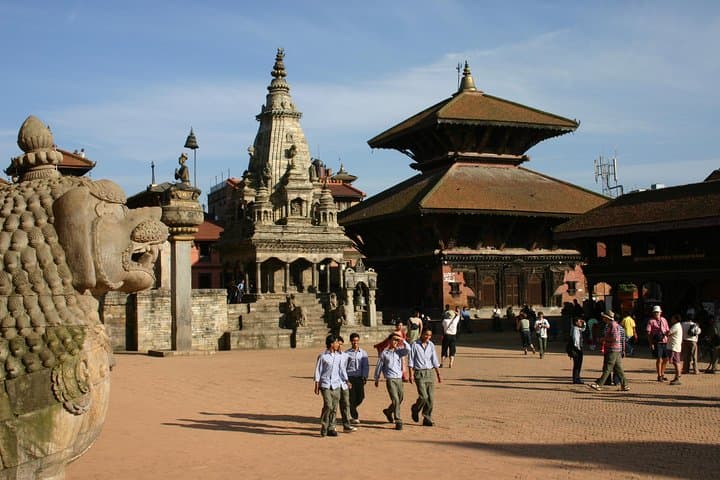
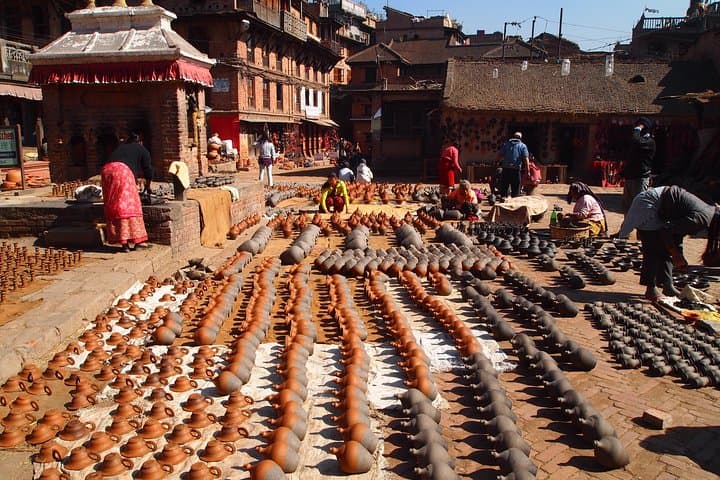
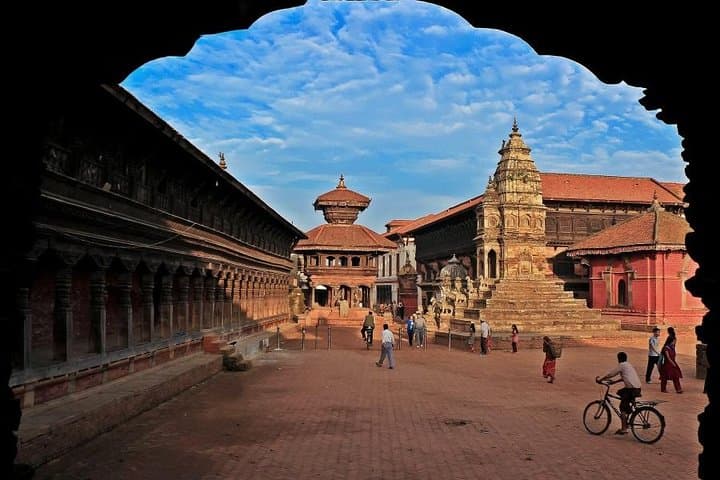
You step off a narrow lane into a sun-warmed plaza where carved wooden windows stare down like watchful hosts and low temples crowd the square. Dust lifts from brick steps as a local potter turns a wheel in Pottery Square; pigeons scatter and the scent of incense threads through the air. The noise of Kathmandu fades; here the rhythm is measured by bells and the shuffle of sandal soles.
Verified experiences and guided adventures in the surrounding area.
Operated by Pigeon Travel And Tours Pvt Ltd · Bhaktapur, Bagmati Province
You step off a narrow lane into a sun-warmed plaza where carved wooden windows stare down like watchful hosts and low temples crowd the square. Dust lifts from brick steps as a local potter turns a wheel in Pottery Square; pigeons scatter and the scent of incense threads through the air. The noise of Kathmandu fades; here the rhythm is measured by bells and the shuffle of sandal soles.
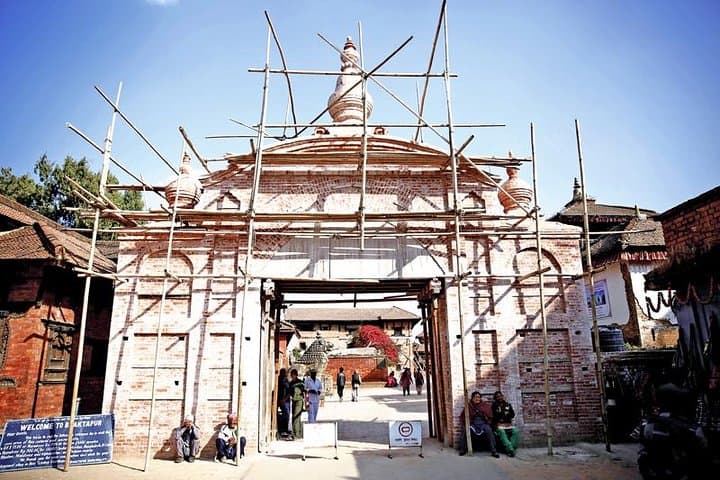
Bhaktapur Durbar Square sits at about 1,400 m in the Kathmandu Valley and was the royal heart of a medieval Newar kingdom. The complex folds into several linked squares — Durbar, Taumadhi, Dattatreya and Pottery — that showcase tiered pagoda roofs, finely carved struts and centuries-old courtyards. Geologically the valley’s silty, alluvial soils produced the clay bricks and earthen tiles that define the town’s palette; the buildings display local craft traditions in brick, wood and metal. Post-2015 earthquake repairs are visible: some structures have been restored, others still bear scars.
A half-day private tour gives context — a local guide explains reigns and rituals, points out Newar woodworking motifs and shows pottery techniques. Expect uneven stone underfoot, small flights of steps and pockets of shade. Practical tips: dress modestly for temple visits, bring a refillable water bottle, wear sturdy shoes, and plan for morning or late afternoon light for photographs. Respect shrine spaces and ask before photographing people.
This is cultural exploration more than a strenuous hike — it rewards curiosity, patient observation and a willingness to move at the square’s unhurried pace.
easy.
3–4 hours.
Suitable for most fitness levels; involves walking on uneven surfaces and short stair sections
This private half-day tour runs about four hours and typically includes pickup and drop-off from your hotel.
Some streets and plazas are accessible, but older buildings and steps limit full wheelchair access; check with the operator for specific pickup and drop-off accessibility.
According to the itinerary, admission to Bhaktapur Durbar Square is included in this tour price.
The tour lists an English-speaking local guide; ask the operator in advance if you need another language.
Bhaktapur was a medieval Newar capital whose rulers invested heavily in craft and temple construction; much of the square reflects centuries of artisanal woodcarving and masonry.
Post-2015 earthquake restoration is ongoing; visitors can support conservation by following site rules, avoiding climbing on monuments and choosing guided tours that contribute to local preservation efforts.
Pigeon Travel And Tours Pvt Ltd operates guided outdoor trips and adventures with an emphasis on safety, stewardship, and memorable experiences.
You step off a narrow lane into a sun-warmed plaza where carved wooden windows stare down like watchful hosts and low temples crowd the square. Dust lifts from brick steps as a local potter turns a wheel in Pottery Square; pigeons scatter and the scent of incense threads through the air. The noise of Kathmandu fades; here the rhythm is measured by bells and the shuffle of sandal soles.
You step off a narrow lane into a sun-warmed plaza where carved wooden windows stare down like watchful hosts and low temples crowd the square. Dust lifts from brick steps as a local potter turns a wheel in Pottery Square; pigeons scatter and the scent of incense threads through the air. The noise of Kathmandu fades; here the rhythm is measured by bells and the shuffle of sandal soles.
Bhaktapur Durbar Square sits at about 1,400 m in the Kathmandu Valley and was the royal heart of a medieval Newar kingdom. The complex folds into several linked squares — Durbar, Taumadhi, Dattatreya and Pottery — that showcase tiered pagoda roofs, finely carved struts and centuries-old courtyards. Geologically the valley’s silty, alluvial soils produced the clay bricks and earthen tiles that define the town’s palette; the buildings display local craft traditions in brick, wood and metal. Post-2015 earthquake repairs are visible: some structures have been restored, others still bear scars.
A half-day private tour gives context — a local guide explains reigns and rituals, points out Newar woodworking motifs and shows pottery techniques. Expect uneven stone underfoot, small flights of steps and pockets of shade. Practical tips: dress modestly for temple visits, bring a refillable water bottle, wear sturdy shoes, and plan for morning or late afternoon light for photographs. Respect shrine spaces and ask before photographing people.
This is cultural exploration more than a strenuous hike — it rewards curiosity, patient observation and a willingness to move at the square’s unhurried pace.