THE ADVENTURE COLLECTIVE® · Independent discovery and booking for outdoor travel

A compact, privately guided half-day that stitches Baku to Gobustan's prehistoric petroglyphs, mud volcanoes, and the fire-worship sites of the Absheron Peninsula. Ideal for travelers who want geology and history in one efficient outing.
A compact, privately guided half-day that stitches Baku to Gobustan's prehistoric petroglyphs, mud volcanoes, and the fire-worship sites of the Absheron Peninsula. Ideal for travelers who want geology and history in one efficient outing.
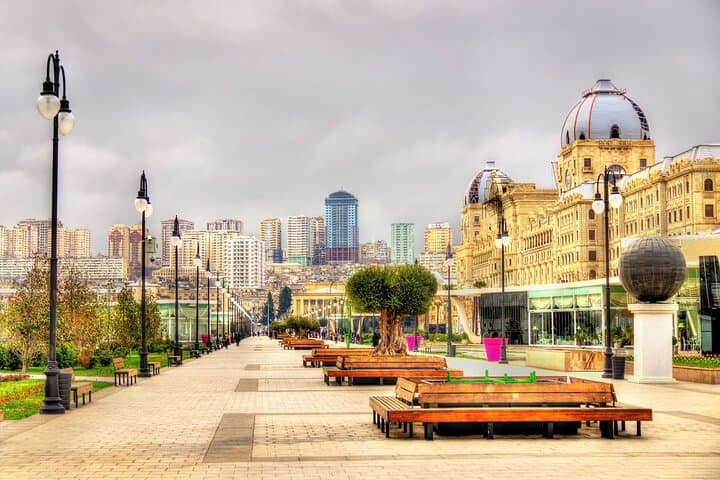
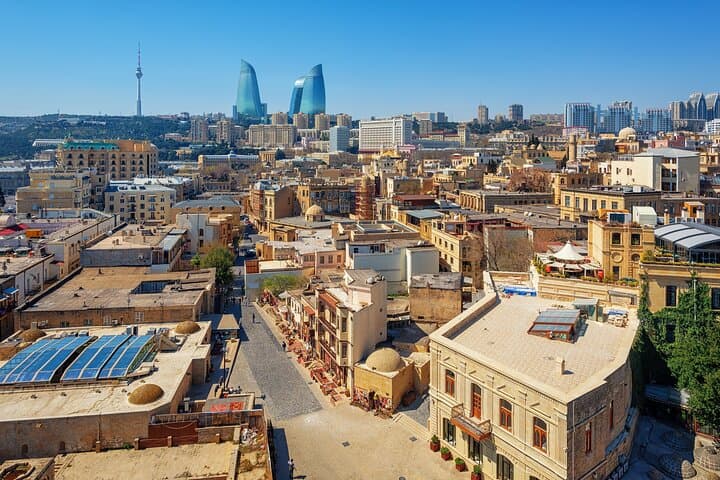
You leave Baku's glass-and-stone skyline behind and soon the city loosens its grip: the Caspian recedes, fields flatten, and the air grows drier. By the time the road bends toward Gobustan, the landscape has a spare, wind-carved honesty — low scrub, rust-colored outcrops, and the first signs of ancient hands etched into stone.
Verified experiences and guided adventures in the surrounding area.
Operated by taxiGo Limo Airport Service · Baku, Baku
You leave Baku's glass-and-stone skyline behind and soon the city loosens its grip: the Caspian recedes, fields flatten, and the air grows drier. By the time the road bends toward Gobustan, the landscape has a spare, wind-carved honesty — low scrub, rust-colored outcrops, and the first signs of ancient hands etched into stone.
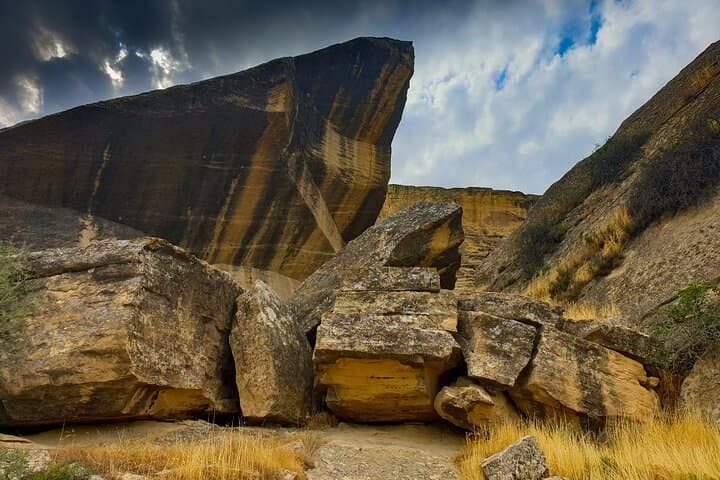
At Gobustan State Historical and Cultural Reserve the guide leads you up a stony slope to panels of petroglyphs. The grooves are not decorative; they are motion captured in rock — hunters, boats, wild horses, and solar symbols that map human life across millennia. Scientists date some motifs from the Upper Paleolithic through the medieval period, and UNESCO recognizes Gobustan for its dense concentration of prehistoric art. The geology explains a lot: Quaternary sediments and volcanic activity created both the rock faces for carving and the region's unique mud volcanoes, which hiss and bubble nearby like the land exhaling.
The tour threads cultural sites of the Absheron Peninsula into the geology. At Ateshgah, a courtyard of small shrines reads like a crossroads of trade and faith — Persian and Indian inscriptions recall caravans and pilgrims drawn to natural gas seeps and the spectacle of eternal flames. Later, at Yanar Dag, a roadside slope of leaking gas keeps a line of fire alive on the hillside; the flame is a physical reminder that this place has always burned in human imagination and ritual.
You will break for a traditional Azerbaijani lunch near the mud cones: flatbreads, pilaf, and stewed lamb that taste of the region's inland climate and long culinary exchange.
Practical guidance: this is a private, half-day outing (roughly 5–6 hours) with hotel pickup in Baku. Expect a mix of short, uneven walks at archaeological sites and flat roadside stops. Wear grippy walking shoes for the petroglyph slopes and sun protection for the open steppe. Photography is rewarding but respect barriers and do not touch carvings — oils from skin accelerate erosion.
Timing matters: mornings are cooler and the low sun highlights rock relief; afternoons can be hot and dusty. Guides can adapt the pace if you travel with children or older companions. Tickets to Gobustan reserve may require a small fee; bring cash or card, and carry water — on-site amenities are limited. The private format is ideal for focused questions about history, folkloric fire cults, and geology, and for skipping the rigid schedule of group tours.
For travelers wanting a compact lesson in how geology and human culture intersect, this circuit from Baku compresses centuries into a single, readable day — rock, fire, and the startling honesty of the Azerbaijani steppe.
easy.
5–6 hours.
Suitable for most fitness levels; involves multiple short walks on uneven ground and brief climbs to view rock panels.
The private tour lasts about 5–6 hours and includes private transport, a local guide, hotel pickup and drop-off, and a restaurant lunch near the mud volcanoes.
Gobustan Reserve is roughly 40–65 km (about 25–40 miles) southwest of central Baku; travel time is typically 45–75 minutes depending on traffic.
Admission to Gobustan is sometimes included; check booking details. If not included, your guide will advise how to pay on-site (cash or card may be accepted).
Yes — the itinerary is adaptable and involves short walks rather than long hikes, but some uneven footing is required at rock sites.
Yes, photography is allowed at most stops; however, do not use tripods or flash too close to petroglyph panels and follow any site-specific restrictions.
Bring water, sun protection, comfortable shoes, and a light jacket; cash for small purchases or entrance fees is recommended.
Gobustan's rock art documents human occupation from Paleolithic times through the Middle Ages; the Absheron Peninsula's flames fed Zoroastrian and later Hindu and Sikh worship at Ateshgah.
The reserve enforces strict protections for petroglyphs and regulates visitor access; minimize impact by staying on marked paths and avoiding touching carved rock.
taxiGo Limo Airport Service operates guided outdoor trips and adventures with an emphasis on safety, stewardship, and memorable experiences.

You leave Baku's glass-and-stone skyline behind and soon the city loosens its grip: the Caspian recedes, fields flatten, and the air grows drier. By the time the road bends toward Gobustan, the landscape has a spare, wind-carved honesty — low scrub, rust-colored outcrops, and the first signs of ancient hands etched into stone.
You leave Baku's glass-and-stone skyline behind and soon the city loosens its grip: the Caspian recedes, fields flatten, and the air grows drier. By the time the road bends toward Gobustan, the landscape has a spare, wind-carved honesty — low scrub, rust-colored outcrops, and the first signs of ancient hands etched into stone.
At Gobustan State Historical and Cultural Reserve the guide leads you up a stony slope to panels of petroglyphs. The grooves are not decorative; they are motion captured in rock — hunters, boats, wild horses, and solar symbols that map human life across millennia. Scientists date some motifs from the Upper Paleolithic through the medieval period, and UNESCO recognizes Gobustan for its dense concentration of prehistoric art. The geology explains a lot: Quaternary sediments and volcanic activity created both the rock faces for carving and the region's unique mud volcanoes, which hiss and bubble nearby like the land exhaling.
The tour threads cultural sites of the Absheron Peninsula into the geology. At Ateshgah, a courtyard of small shrines reads like a crossroads of trade and faith — Persian and Indian inscriptions recall caravans and pilgrims drawn to natural gas seeps and the spectacle of eternal flames. Later, at Yanar Dag, a roadside slope of leaking gas keeps a line of fire alive on the hillside; the flame is a physical reminder that this place has always burned in human imagination and ritual.
You will break for a traditional Azerbaijani lunch near the mud cones: flatbreads, pilaf, and stewed lamb that taste of the region's inland climate and long culinary exchange.
Practical guidance: this is a private, half-day outing (roughly 5–6 hours) with hotel pickup in Baku. Expect a mix of short, uneven walks at archaeological sites and flat roadside stops. Wear grippy walking shoes for the petroglyph slopes and sun protection for the open steppe. Photography is rewarding but respect barriers and do not touch carvings — oils from skin accelerate erosion.
Timing matters: mornings are cooler and the low sun highlights rock relief; afternoons can be hot and dusty. Guides can adapt the pace if you travel with children or older companions. Tickets to Gobustan reserve may require a small fee; bring cash or card, and carry water — on-site amenities are limited. The private format is ideal for focused questions about history, folkloric fire cults, and geology, and for skipping the rigid schedule of group tours.
For travelers wanting a compact lesson in how geology and human culture intersect, this circuit from Baku compresses centuries into a single, readable day — rock, fire, and the startling honesty of the Azerbaijani steppe.