THE ADVENTURE COLLECTIVE® · Independent discovery and booking for outdoor travel

Taste fresh sushi at Tsukiji, walk under the Kaminarimon lantern to Senso-ji, and finish among the neon and gadgets of Akihabara. This private half‑day tour packs Tokyo’s historic and modern highlights into a brisk, local-led route.
Taste fresh sushi at Tsukiji, walk under the Kaminarimon lantern to Senso-ji, and finish among the neon and gadgets of Akihabara. This private half‑day tour packs Tokyo’s historic and modern highlights into a brisk, local-led route.
Dawn at Tsukiji feels like a city waking with practiced precision: lanterns dim, vendors call, and bundles of ice-slick tuna move under fluorescent lights. Your guide threads you through narrow alleys of the outer market, where rasps of knives and the aroma of freshly cut fish set the tempo for a day of contrasts.
Verified experiences and guided adventures in the surrounding area.
Operated by ABU · Tokyo, Tokyo
Dawn at Tsukiji feels like a city waking with practiced precision: lanterns dim, vendors call, and bundles of ice-slick tuna move under fluorescent lights. Your guide threads you through narrow alleys of the outer market, where rasps of knives and the aroma of freshly cut fish set the tempo for a day of contrasts.
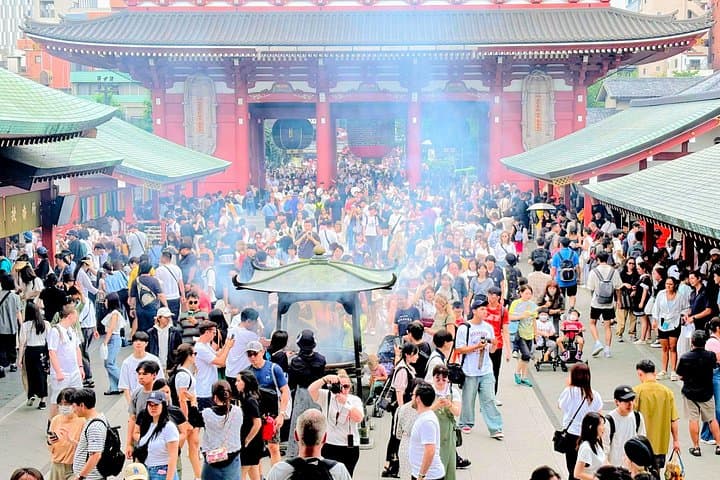
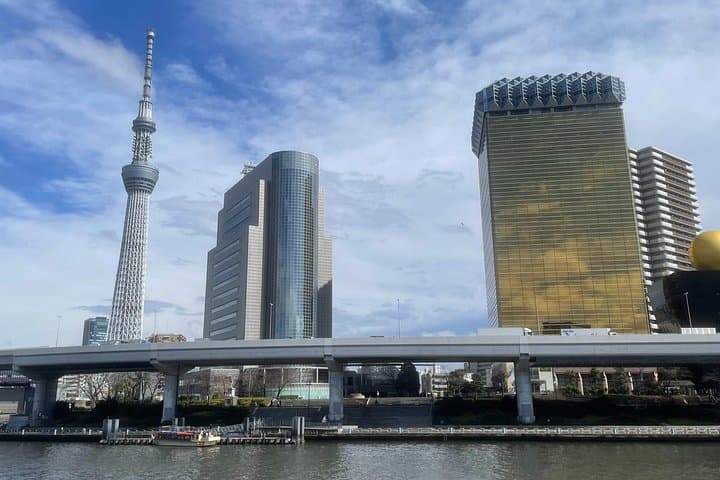
From the fish stalls you step into Asakusa’s older streets. Kaminarimon’s lantern looms above Nakamise-dori, a merchant lane that has funneled pilgrims and shoppers toward Senso-ji for centuries. Cross the Sumida to glimpse Tokyo’s modern spine at Ueno and Akihabara—where museum halls and wired storefronts press the present against the weight of history.
Tokyo sits on low alluvial plains fed by the Sumida; its neighborhoods grew from river trade and reclamation rather than dramatic geology. That makes this half‑day loop dense with human story—merchant guilds, postwar markets, and the city’s embrace of technology—more than wild landscapes. Expect a close-knit sequence of short walks (a few hundred meters between highlights), temple courtyards, park paths, and bustling shopping streets.
Practical notes: the tour is 4–5 hours, best started early to catch market energy and avoid afternoon crowds. Wear comfortable shoes, carry a compact umbrella in rainy seasons, and keep small bills for market snacks—credit isn’t universal at tiny stalls. Guides explain rituals like chozuya cleansing and omikuji fortunes; remember that tipping is not customary in Japan. Use public transport to meet your guide—stations are frequent and accessible—and plan buffer time if you’re arriving from Narita or Haneda.
easy.
4–5 hours.
Suitable for most fitness levels; participants should be comfortable walking 2–3 km total at a relaxed pace
Most tours arrange a public-transportation meeting point; confirm a nearby station and exit with your guide before the start time.
The itinerary includes sushi sampling at the outer Tsukiji market, though full sit-down meals may be optional and billed separately.
Many parts are flat and accessible, and the operator lists wheelchair-accessible options—check ahead for mobility needs regarding narrow market alleys.
Tipping is not customary in Japan; a polite thank-you or small souvenir is appreciated but not expected.
Asakusa’s Senso-ji dates back over a thousand years as a pilgrimage site; Tsukiji evolved from Edo‑period fish trade into a modern seafood hub.
Tokyo’s high visitor numbers make respectful behavior important—avoid littering, follow signage at temples and parks, and support vendors who practice sustainable sourcing where possible.
ABU operates guided outdoor trips and adventures with an emphasis on safety, stewardship, and memorable experiences.
Dawn at Tsukiji feels like a city waking with practiced precision: lanterns dim, vendors call, and bundles of ice-slick tuna move under fluorescent lights. Your guide threads you through narrow alleys of the outer market, where rasps of knives and the aroma of freshly cut fish set the tempo for a day of contrasts.
Dawn at Tsukiji feels like a city waking with practiced precision: lanterns dim, vendors call, and bundles of ice-slick tuna move under fluorescent lights. Your guide threads you through narrow alleys of the outer market, where rasps of knives and the aroma of freshly cut fish set the tempo for a day of contrasts.
From the fish stalls you step into Asakusa’s older streets. Kaminarimon’s lantern looms above Nakamise-dori, a merchant lane that has funneled pilgrims and shoppers toward Senso-ji for centuries. Cross the Sumida to glimpse Tokyo’s modern spine at Ueno and Akihabara—where museum halls and wired storefronts press the present against the weight of history.
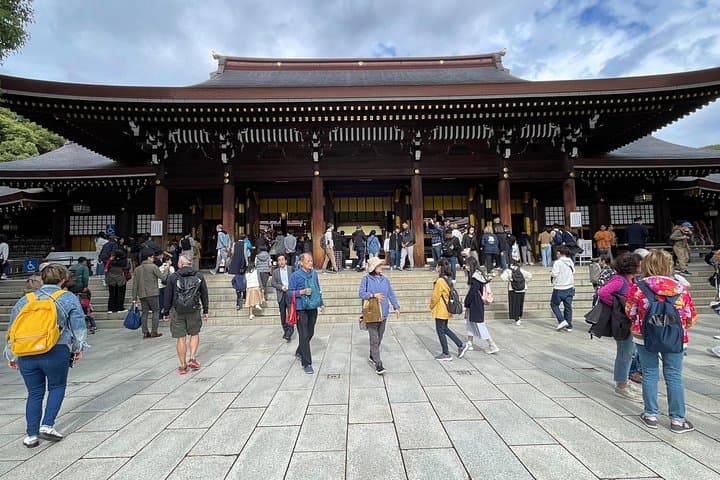
Tokyo sits on low alluvial plains fed by the Sumida; its neighborhoods grew from river trade and reclamation rather than dramatic geology. That makes this half‑day loop dense with human story—merchant guilds, postwar markets, and the city’s embrace of technology—more than wild landscapes. Expect a close-knit sequence of short walks (a few hundred meters between highlights), temple courtyards, park paths, and bustling shopping streets.
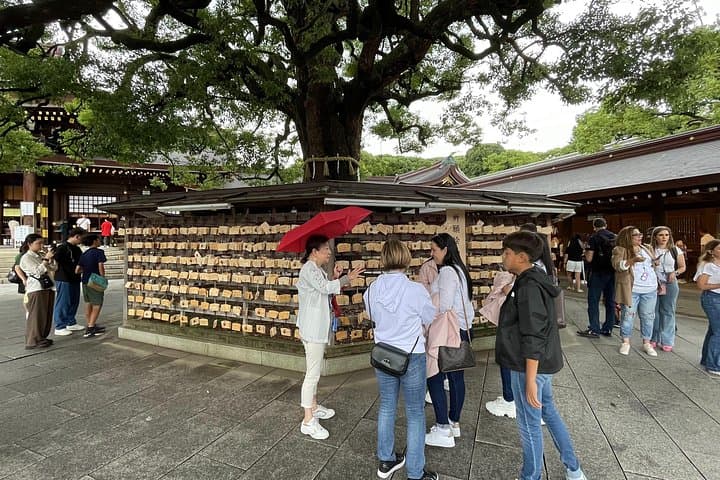
Practical notes: the tour is 4–5 hours, best started early to catch market energy and avoid afternoon crowds. Wear comfortable shoes, carry a compact umbrella in rainy seasons, and keep small bills for market snacks—credit isn’t universal at tiny stalls. Guides explain rituals like chozuya cleansing and omikuji fortunes; remember that tipping is not customary in Japan. Use public transport to meet your guide—stations are frequent and accessible—and plan buffer time if you’re arriving from Narita or Haneda.