THE ADVENTURE COLLECTIVE® · Independent discovery and booking for outdoor travel

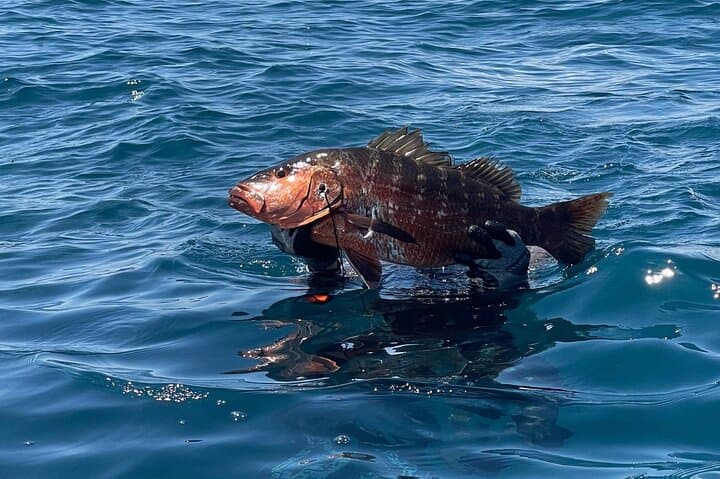
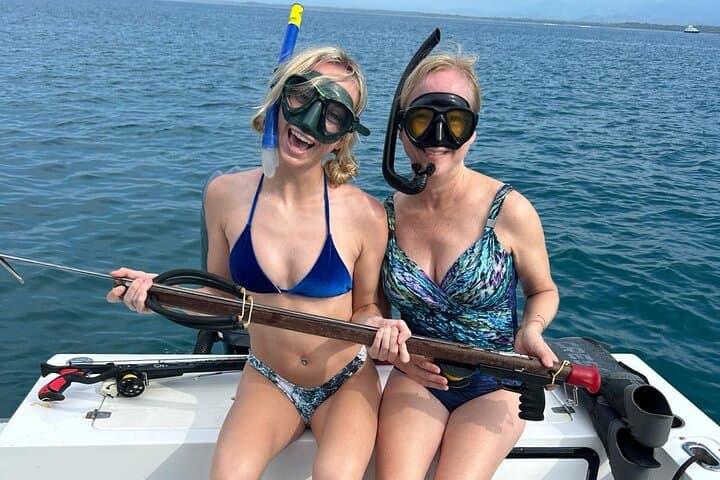
Slide off the Quepos marina and into a private half-day reef spearfishing tour around Manuel Antonio’s offshore islets. Guided freediving, rubber spearguns and local knowledge put you on reef species like snapper and barracuda while you learn safety and sustainable catch practices.
Slide off the Quepos marina and into a private half-day reef spearfishing tour around Manuel Antonio’s offshore islets. Guided freediving, rubber spearguns and local knowledge put you on reef species like snapper and barracuda while you learn safety and sustainable catch practices.
The boat slips away from the Quepos marina and the Pacific opens, a wind-creased mirror dotted with rocky islets. Guides point to a low, jagged line on the horizon — the reef — and the engine softens as the crew prepares gear. In the next hour you trade the boat’s steady hum for the pulse of the sea, slipping over reefs where schools scatter and a lone barracuda watches like a shadow.
Verified experiences and guided adventures in the surrounding area.
Operated by Quepoa Spearfishing · Quepos, Puntarenas
The boat slips away from the Quepos marina and the Pacific opens, a wind-creased mirror dotted with rocky islets. Guides point to a low, jagged line on the horizon — the reef — and the engine softens as the crew prepares gear. In the next hour you trade the boat’s steady hum for the pulse of the sea, slipping over reefs where schools scatter and a lone barracuda watches like a shadow.
Manuel Antonio sits on Costa Rica’s Central Pacific coast, a landscape shaped by volcanic uplift and wave-cut rock. The offshore islands and shallow reefs are not large coral atolls but mixed rocky reefs and coral patches that host snapper, grouper and seasonal pelagics — fish species long targeted by local artisanal fishers. The area’s culture blends Quepos port life with tourism centered on the national park, established in the 1970s to protect coastal rainforest and marine habitat.
Expect 15–20 minutes steaming to sites, short surface briefings on freediving and rubber speargun use, and guided swims over variable reef terrain. Visibility varies with tides and swell; guides choose sheltered coves and deeper ledges based on conditions. Practical notes: be a competent swimmer, hydrate before boarding, and use reef-safe sunscreen to protect marine life. Ask guides about local catch rules and which species to avoid — sustainability matters for reef health and the quality of future trips.
This half-day private option pairs focused instruction with flexibility: plan for four hours total, bring a personal mask if you prefer, and leave time afterward to enjoy Quepos or Manuel Antonio’s shoreline views.
moderate.
4 hours.
Should be a comfortable swimmer with basic breath-hold ability; moderate cardiovascular fitness recommended.
No — tours include a safety briefing and basic spearfishing and freediving instruction; guides supervise while you gain experience.
Typically crews will clean and offer the catch to guests, but this is subject to local regulations and species protections — ask your guide before targeting any fish.
Minors must typically be accompanied by an adult and all participants should be free of serious cardiovascular conditions; pregnant travelers are advised not to participate.
Operators will postpone or cancel for safety in high surf or low visibility; check cancellation policy and confirm pickup details beforehand.
Manuel Antonio National Park and the surrounding coastline were designated and protected in the 1970s as tourism grew, preserving small pockets of rainforest and marine habitat near Quepos.
Spearfishing in Costa Rica is regulated; work with local guides, avoid protected species, and use reef-safe sunscreen to reduce impact on reef ecosystems.
Quepoa Spearfishing operates guided outdoor trips and adventures with an emphasis on safety, stewardship, and memorable experiences.
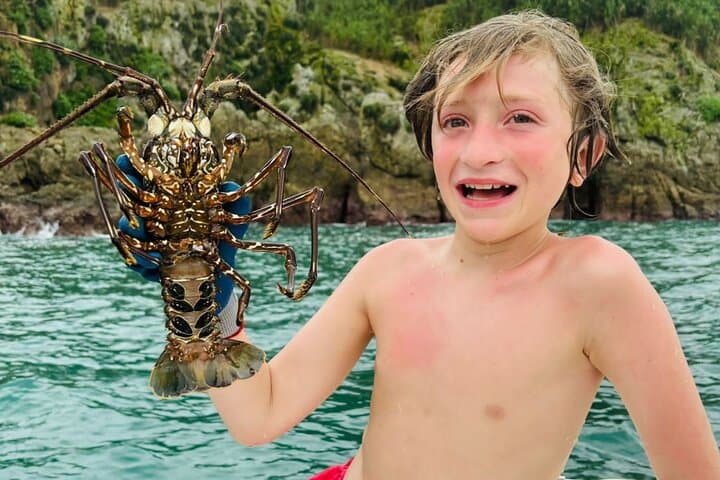
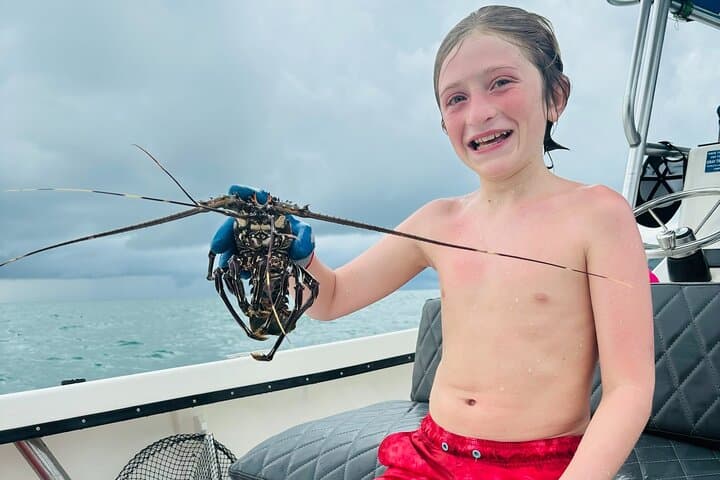
The boat slips away from the Quepos marina and the Pacific opens, a wind-creased mirror dotted with rocky islets. Guides point to a low, jagged line on the horizon — the reef — and the engine softens as the crew prepares gear. In the next hour you trade the boat’s steady hum for the pulse of the sea, slipping over reefs where schools scatter and a lone barracuda watches like a shadow.
The boat slips away from the Quepos marina and the Pacific opens, a wind-creased mirror dotted with rocky islets. Guides point to a low, jagged line on the horizon — the reef — and the engine softens as the crew prepares gear. In the next hour you trade the boat’s steady hum for the pulse of the sea, slipping over reefs where schools scatter and a lone barracuda watches like a shadow.
Manuel Antonio sits on Costa Rica’s Central Pacific coast, a landscape shaped by volcanic uplift and wave-cut rock. The offshore islands and shallow reefs are not large coral atolls but mixed rocky reefs and coral patches that host snapper, grouper and seasonal pelagics — fish species long targeted by local artisanal fishers. The area’s culture blends Quepos port life with tourism centered on the national park, established in the 1970s to protect coastal rainforest and marine habitat.
Expect 15–20 minutes steaming to sites, short surface briefings on freediving and rubber speargun use, and guided swims over variable reef terrain. Visibility varies with tides and swell; guides choose sheltered coves and deeper ledges based on conditions. Practical notes: be a competent swimmer, hydrate before boarding, and use reef-safe sunscreen to protect marine life. Ask guides about local catch rules and which species to avoid — sustainability matters for reef health and the quality of future trips.
This half-day private option pairs focused instruction with flexibility: plan for four hours total, bring a personal mask if you prefer, and leave time afterward to enjoy Quepos or Manuel Antonio’s shoreline views.