THE ADVENTURE COLLECTIVE® · Independent discovery and booking for outdoor travel

Escape the resort crowds for a half-day private island off Aruba's coast. Snorkel shallow coral gardens, soak on a small sand crescent, and enjoy bespoke service for groups up to five.
Escape the resort crowds for a half-day private island off Aruba's coast. Snorkel shallow coral gardens, soak on a small sand crescent, and enjoy bespoke service for groups up to five.
You step off a small launch and the island's reef breathes against the hull — a shallow, living edge of coral that pushes clear water toward powdery sand. Palm shadows lean over the beach; the ocean dares you to trade a resort's crowd for four hours of quiet water and bright horizon.
Verified experiences and guided adventures in the surrounding area.
You step off a small launch and the island's reef breathes against the hull — a shallow, living edge of coral that pushes clear water toward powdery sand. Palm shadows lean over the beach; the ocean dares you to trade a resort's crowd for four hours of quiet water and bright horizon.
The coast here is shaped by coral growth atop ancient limestone, a geology carved by waves and time. Aruba's shores were first tended by Arawak peoples and later charted by European sailors; today's private-island offerings are a modern chapter in the island's long maritime story. Local culture favors easy hospitality and a direct relationship with sea food and sailing — expect practical service rather than ceremony.
On a half-day trip for up to five, the focus is simple: calm snorkeling over shallow reef, sunbathing on a small crescent of sand, and a personalized pace set by your group. The reef is home to parrotfish, wrasse, and the occasional turtle; currents are generally mild but can shift.
Practical guidance: arrive hydrated, protect coral by using reef-safe sunscreen, and wear water shoes for rocky patches. Morning departures usually mean flatter water and clearer visibility; late afternoons bring warmer light but a higher chance of wind. Seasickness medication and a dry bag will keep your gear secure. This is an easy, low-commitment marine escape—bring a snorkel, a light appetite for salty air, and respect for the reef so the quiet you find remains for the next small group.
easy.
4 hours.
Light activity level; basic swimming ability recommended for snorkel time
This is a half-day experience, typically around four hours total including boat transfers.
Yes — the reef areas visited are generally shallow with mild currents, making them good for snorkelers of basic ability.
Tours are limited to small private groups of up to five people for an intimate experience.
Offerings vary by operator; bring water and snacks unless the booking specifies refreshments.
Aruba’s coastal reefs sit atop Pleistocene limestone and have long supported indigenous Arawak communities and later maritime trade routes under Spanish and Dutch influence.
Operators and visitors are encouraged to use reef-safe sunscreen, avoid touching coral, and not feed wildlife to protect fragile reef ecosystems.
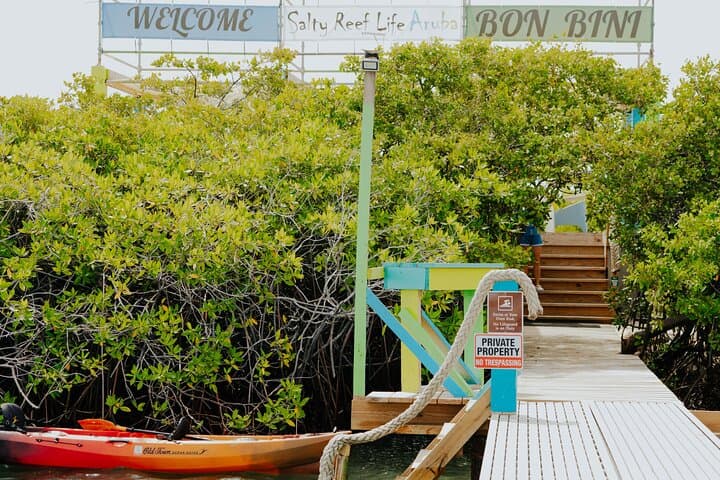
You step off a small launch and the island's reef breathes against the hull — a shallow, living edge of coral that pushes clear water toward powdery sand. Palm shadows lean over the beach; the ocean dares you to trade a resort's crowd for four hours of quiet water and bright horizon.
You step off a small launch and the island's reef breathes against the hull — a shallow, living edge of coral that pushes clear water toward powdery sand. Palm shadows lean over the beach; the ocean dares you to trade a resort's crowd for four hours of quiet water and bright horizon.
The coast here is shaped by coral growth atop ancient limestone, a geology carved by waves and time. Aruba's shores were first tended by Arawak peoples and later charted by European sailors; today's private-island offerings are a modern chapter in the island's long maritime story. Local culture favors easy hospitality and a direct relationship with sea food and sailing — expect practical service rather than ceremony.
On a half-day trip for up to five, the focus is simple: calm snorkeling over shallow reef, sunbathing on a small crescent of sand, and a personalized pace set by your group. The reef is home to parrotfish, wrasse, and the occasional turtle; currents are generally mild but can shift.
Practical guidance: arrive hydrated, protect coral by using reef-safe sunscreen, and wear water shoes for rocky patches. Morning departures usually mean flatter water and clearer visibility; late afternoons bring warmer light but a higher chance of wind. Seasickness medication and a dry bag will keep your gear secure. This is an easy, low-commitment marine escape—bring a snorkel, a light appetite for salty air, and respect for the reef so the quiet you find remains for the next small group.