THE ADVENTURE COLLECTIVE® · Independent discovery and booking for outdoor travel

See Muscat’s highlights in four hours: the Sultan Qaboos Grand Mosque, Muttrah Souk, Bait Al Zubair and the harbor forts. This private tour pairs quick orientation with cultural context and practical logistics.
See Muscat’s highlights in four hours: the Sultan Qaboos Grand Mosque, Muttrah Souk, Bait Al Zubair and the harbor forts. This private tour pairs quick orientation with cultural context and practical logistics.
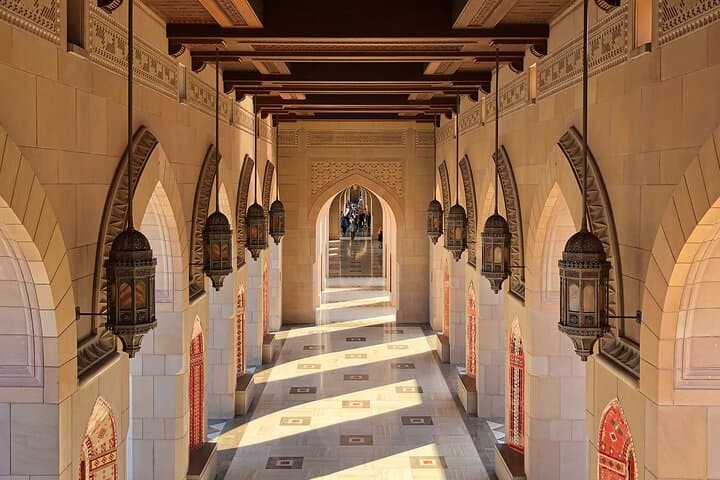
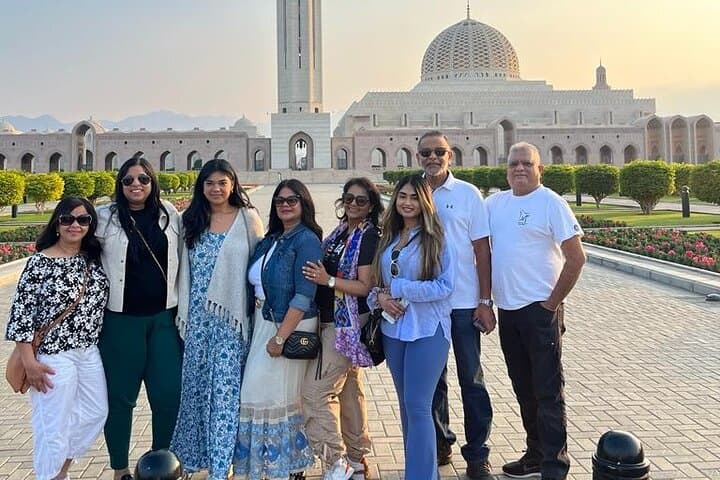
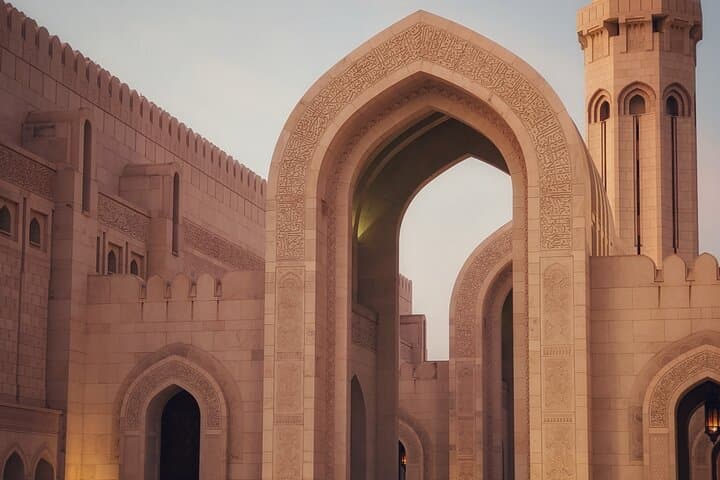
The morning light slides off the pale marble of Sultan Qaboos Grand Mosque while the Gulf of Oman pushes a cool, salt-scented breath through Muscat’s harbor. You step from an air-conditioned vehicle into a city that wears its geography plainly: the Al Hajar Mountains rise like a folded spine to the west, the sea opens to the east, and between them Muscat’s streets trace centuries of trade and faith.
Verified experiences and guided adventures in the surrounding area.
Operated by Oman Tour · Muscat, Muscat Governorate
The morning light slides off the pale marble of Sultan Qaboos Grand Mosque while the Gulf of Oman pushes a cool, salt-scented breath through Muscat’s harbor. You step from an air-conditioned vehicle into a city that wears its geography plainly: the Al Hajar Mountains rise like a folded spine to the west, the sea opens to the east, and between them Muscat’s streets trace centuries of trade and faith.
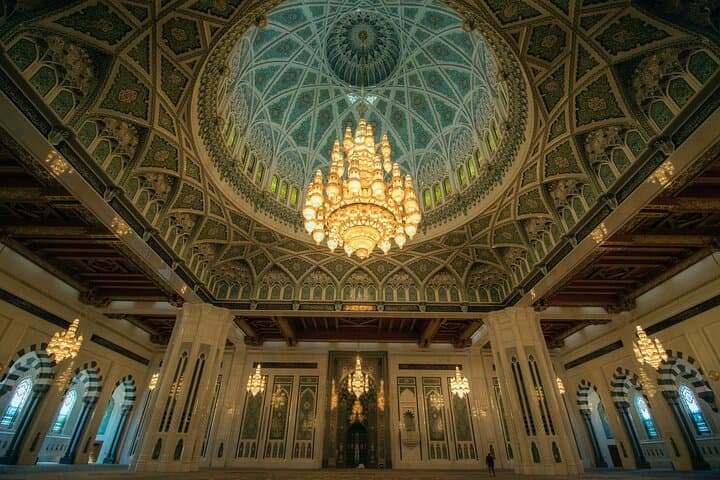
This compact four-hour route threads history and geology with human scale. The Grand Mosque’s prayer hall and courtyards reflect modern Omani investment in religious art; the Portuguese-built Mirani and Jalali forts keep watch over the harbor as reminders of 16th-century maritime contest. Muttrah Souk and the adjoining fish market reveal Muscat’s long commercial link to the Indian Ocean trade routes, while Bait Al Zubair houses Omani dress, weapons, and dhow models that map social life across eras.
Expect paved walking at sites, brief stair sections in forts, and crowded narrow lanes in the souk. The tour is practical: hotel pickup, bottled water, entrance fees and multilingual audio guiding are included, and vehicles are air-conditioned and wheelchair-accessible where noted.
Practical pointers: visit in the early morning to avoid heat and souk crowds; wear modest clothing for mosque entry (long sleeves, long pants or skirts; women may need a headscarf); bring sunscreen and comfortable shoes for cobbled lanes. Photography is allowed at many stops but follow posted rules at religious sites. With a private guide you can adjust pacing—ideal for first-time visitors needing orientation and cultural context before exploring Muscat further.
easy.
4 hours.
Suitable for most fitness levels; light walking and short stair sections required.
Yes — the itinerary includes a visit to Sultan Qaboos Grand Mosque; modest dress and head coverings for women are required and sometimes provided by the site.
The tour lists wheelchair-accessible options and private transport; notify booking about mobility needs to arrange suitable pickup and routing.
Audio guiding is provided in multiple languages; confirm your preferred language at booking to ensure availability.
Muscat grew as an Indian Ocean trading port; its harbor forts were fortified by the Portuguese in the 16th century and later integrated into Omani rule. Bait Al Zubair preserves artifacts tracing tribal and maritime culture.
Coastal development and tourism pressure make respectful behavior important: avoid littering, follow photography rules at cultural sites, and support local businesses to encourage sustainable tourism.
Oman Tour operates guided outdoor trips and adventures with an emphasis on safety, stewardship, and memorable experiences.
The morning light slides off the pale marble of Sultan Qaboos Grand Mosque while the Gulf of Oman pushes a cool, salt-scented breath through Muscat’s harbor. You step from an air-conditioned vehicle into a city that wears its geography plainly: the Al Hajar Mountains rise like a folded spine to the west, the sea opens to the east, and between them Muscat’s streets trace centuries of trade and faith.
The morning light slides off the pale marble of Sultan Qaboos Grand Mosque while the Gulf of Oman pushes a cool, salt-scented breath through Muscat’s harbor. You step from an air-conditioned vehicle into a city that wears its geography plainly: the Al Hajar Mountains rise like a folded spine to the west, the sea opens to the east, and between them Muscat’s streets trace centuries of trade and faith.
This compact four-hour route threads history and geology with human scale. The Grand Mosque’s prayer hall and courtyards reflect modern Omani investment in religious art; the Portuguese-built Mirani and Jalali forts keep watch over the harbor as reminders of 16th-century maritime contest. Muttrah Souk and the adjoining fish market reveal Muscat’s long commercial link to the Indian Ocean trade routes, while Bait Al Zubair houses Omani dress, weapons, and dhow models that map social life across eras.
Expect paved walking at sites, brief stair sections in forts, and crowded narrow lanes in the souk. The tour is practical: hotel pickup, bottled water, entrance fees and multilingual audio guiding are included, and vehicles are air-conditioned and wheelchair-accessible where noted.
Practical pointers: visit in the early morning to avoid heat and souk crowds; wear modest clothing for mosque entry (long sleeves, long pants or skirts; women may need a headscarf); bring sunscreen and comfortable shoes for cobbled lanes. Photography is allowed at many stops but follow posted rules at religious sites. With a private guide you can adjust pacing—ideal for first-time visitors needing orientation and cultural context before exploring Muscat further.