THE ADVENTURE COLLECTIVE® · Independent discovery and booking for outdoor travel

See Muscat’s highlights in an efficient private afternoon: mosque photo stops, coastal forts, Royal Opera House views, and the bustling Muttrah Souk. Ideal for travelers short on time who want context, comfort, and local insight.
See Muscat’s highlights in an efficient private afternoon: mosque photo stops, coastal forts, Royal Opera House views, and the bustling Muttrah Souk. Ideal for travelers short on time who want context, comfort, and local insight.
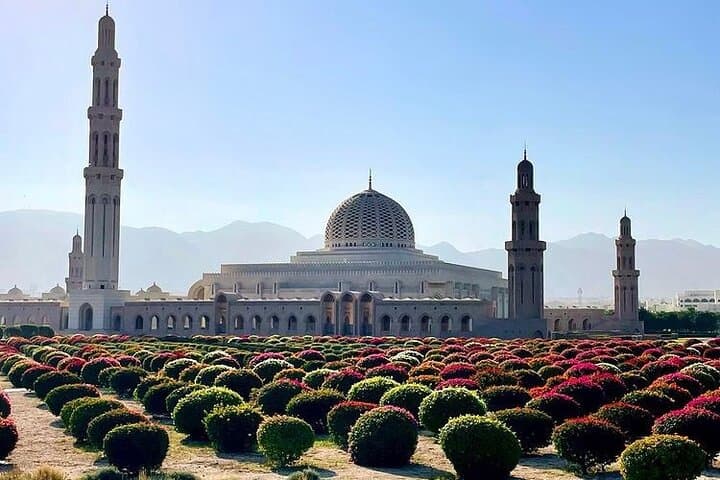
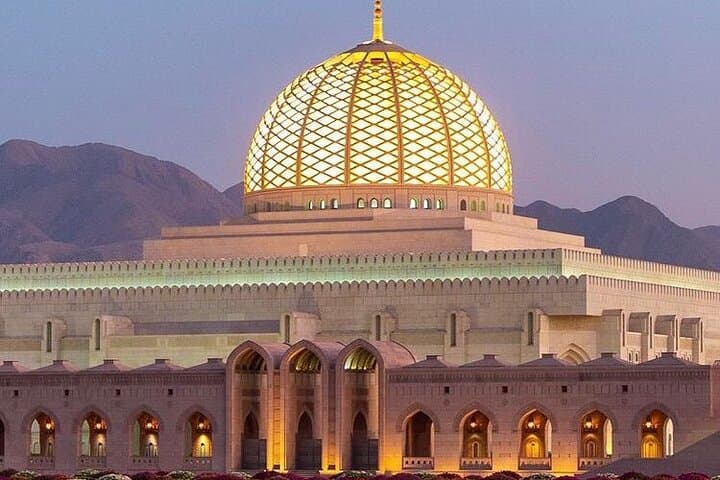
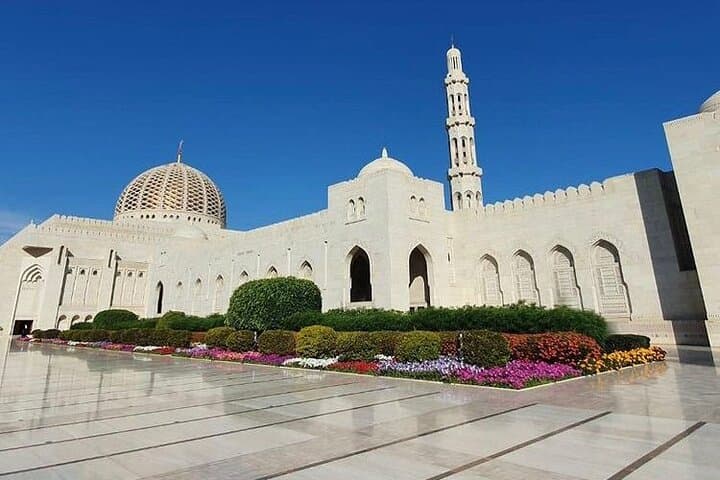
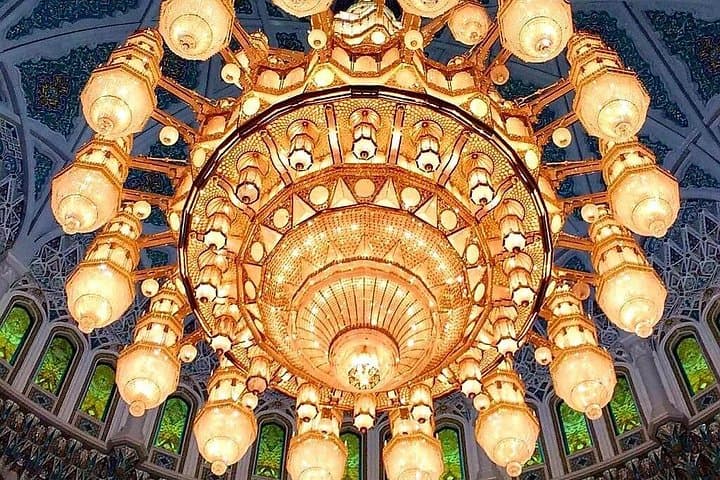
You step out of the car as the late-afternoon light slants across Muscat’s natural harbor; white forts squat on black rock and the sea dares you with a steady, briny push. The tour moves with the city’s rhythm — a quiet photo stop at Sultan Qaboos Grand Mosque, a slow drive past the Royal Opera House’s glass and stone, then the close-up bustle of Muttrah Souk where merchants call and brass lamps catch the light.
Verified experiences and guided adventures in the surrounding area.
Operated by Sunshine Tours Oman · Muscat, Muscat Governorate
You step out of the car as the late-afternoon light slants across Muscat’s natural harbor; white forts squat on black rock and the sea dares you with a steady, briny push. The tour moves with the city’s rhythm — a quiet photo stop at Sultan Qaboos Grand Mosque, a slow drive past the Royal Opera House’s glass and stone, then the close-up bustle of Muttrah Souk where merchants call and brass lamps catch the light.
Muscat’s coastline is carved by geology and history: ancient harbors and Portuguese-built forts—Al Jalali and Al Mirani—mark strategic headlands, while Al Alam Palace faces a ceremonial waterfront shaped by centuries of sultanic rule. The souk, established more than 200 years ago, still smells of frankincense and spice; the opera signals Oman’s modern cultural investment, bridging past and present.
Practical guidance: the itinerary runs about 3–4 hours and is fully private with hotel pickup and bottled water provided. Mosque access is limited to mornings for visitors, so the mosque visit is a photo stop in most afternoon departures. Dress conservatively for religious sites—shoulders and knees covered—and bring sunscreen and a hat; Muscat’s sun remains strong even late in the day. Muttrah Souk is best explored on foot with small bills for bargaining; allow time to linger at the fish market and the corniche viewpoints.
Drivers and guides handle navigation and local context, but plan for short walks, some uneven paving around forts, and moderate heat. This afternoon tour is ideal for travelers who want efficient, contextual access to Muscat’s main cultural and coastal sights without the strain of a full-day schedule.
easy.
3–4 hours.
Suitable for most fitness levels; requires short, low-effort walks and standing during stops.
No; in most cases the mosque will be a photo stop in the afternoon—public visiting hours are generally in the morning for non-worshippers.
Yes; the tour includes pickup and drop-off within the Muscat area, typically by a comfortable 4WD or salon car depending on group size.
Yes; polite bargaining is common for souvenirs, but fixed-price items exist—start lower than the asking price and negotiate respectfully.
Bottled water is provided; bring snacks if you prefer, though there are local cafes and stalls near the souk and corniche.
Muscat’s harbor was a strategic maritime hub; Portuguese-built forts from the 16th century (Al Jalali and Al Mirani) defend approaches first contested during Ottoman and Portuguese conflicts, and Al Alam Palace reflects centuries of Omani rulership.
Visitors should minimize water waste, avoid littering in the souk and corniche, and respect signage at historic sites to reduce wear on fragile masonry and landscapes.
Sunshine Tours Oman operates guided outdoor trips and adventures with an emphasis on safety, stewardship, and memorable experiences.
You step out of the car as the late-afternoon light slants across Muscat’s natural harbor; white forts squat on black rock and the sea dares you with a steady, briny push. The tour moves with the city’s rhythm — a quiet photo stop at Sultan Qaboos Grand Mosque, a slow drive past the Royal Opera House’s glass and stone, then the close-up bustle of Muttrah Souk where merchants call and brass lamps catch the light.
You step out of the car as the late-afternoon light slants across Muscat’s natural harbor; white forts squat on black rock and the sea dares you with a steady, briny push. The tour moves with the city’s rhythm — a quiet photo stop at Sultan Qaboos Grand Mosque, a slow drive past the Royal Opera House’s glass and stone, then the close-up bustle of Muttrah Souk where merchants call and brass lamps catch the light.
Muscat’s coastline is carved by geology and history: ancient harbors and Portuguese-built forts—Al Jalali and Al Mirani—mark strategic headlands, while Al Alam Palace faces a ceremonial waterfront shaped by centuries of sultanic rule. The souk, established more than 200 years ago, still smells of frankincense and spice; the opera signals Oman’s modern cultural investment, bridging past and present.
Practical guidance: the itinerary runs about 3–4 hours and is fully private with hotel pickup and bottled water provided. Mosque access is limited to mornings for visitors, so the mosque visit is a photo stop in most afternoon departures. Dress conservatively for religious sites—shoulders and knees covered—and bring sunscreen and a hat; Muscat’s sun remains strong even late in the day. Muttrah Souk is best explored on foot with small bills for bargaining; allow time to linger at the fish market and the corniche viewpoints.
Drivers and guides handle navigation and local context, but plan for short walks, some uneven paving around forts, and moderate heat. This afternoon tour is ideal for travelers who want efficient, contextual access to Muscat’s main cultural and coastal sights without the strain of a full-day schedule.