THE ADVENTURE COLLECTIVE® · Independent discovery and booking for outdoor travel

Spend half a day with a Kamakura-born guide exploring Zen temples, the Great Buddha, and Komachi Dori’s artisan shops. This private, customizable walk balances history, coastal views, and local flavor—ideal for first-time visitors who want an insider’s pace.
Spend half a day with a Kamakura-born guide exploring Zen temples, the Great Buddha, and Komachi Dori’s artisan shops. This private, customizable walk balances history, coastal views, and local flavor—ideal for first-time visitors who want an insider’s pace.
A cool sea breeze meets the first stone steps as travelers step out of Kamakura Station and into a town that still carries the footprint of samurai power. A Kamakura-born guide leads a private, 4–5 hour circuit—from Engaku-ji’s quiet Zen gardens to the ocean-facing decks of Hase-dera—moving at a measured pace that lets the town’s details register: moss on old tile roofs, gulls circling the Sagami Bay, vendors calling from Komachi Dori.
Verified experiences and guided adventures in the surrounding area.
Operated by Japanese Cultural Experience Kamakura · Kamakura, Kanagawa
A cool sea breeze meets the first stone steps as travelers step out of Kamakura Station and into a town that still carries the footprint of samurai power. A Kamakura-born guide leads a private, 4–5 hour circuit—from Engaku-ji’s quiet Zen gardens to the ocean-facing decks of Hase-dera—moving at a measured pace that lets the town’s details register: moss on old tile roofs, gulls circling the Sagami Bay, vendors calling from Komachi Dori.
Kamakura was the political heart of Japan’s shogunate in the late 12th century; its temples and shrines are carved from that history. The Great Buddha at Kotoku-in, a weathered bronze figure, anchors the town’s cultural memory, while Tsurugaoka Hachimangu offers insight into the samurai era and seasonal festivals. Geologically, Kamakura sits on low coastal hills and river valleys cut by streams that still direct pedestrian flow between sites—expect short climbs, stone steps, and coastal views rather than alpine ascents.
Practical guidance: meet outside Kamakura Station where your guide will wait; admissions to major temples are typically modest and not included. Wear supportive walking shoes for uneven stone paths and bring a small daypack, water, and sun protection. Public transport is efficient—this itinerary is optimized for foot and short train hops.
A private, customizable format makes the route flexible: swap in artisan shops on Komachi Dori, choose a vegan bento, or linger for photography. Respect temple etiquette, follow your guide’s local insights, and plan for light crowds midweek to make the most of this compact coastal cultural walk.
easy.
4–5 hours.
Suitable for most fitness levels; requires comfortable walking on uneven surfaces and short stair climbs.
The standard meeting point is outside the ticket gates at Kamakura Station; your guide will hold a sign with the lead traveler’s name.
No—admissions (typically 300–500 JPY per site) are not included in the tour price and are paid on site.
Yes—the private format allows choosing lunch options including vegan bento or skipping lunch; notify the guide of dietary needs when booking.
Yes—this tour is stroller-accessible in many areas, but expect stairs at some temple sections; infants and small children can generally be accommodated.
Kamakura served as the seat of Japan’s first military government (the Kamakura shogunate) from the late 12th century, shaping its temples and samurai heritage.
Temples manage foot traffic with defined paths and request quiet, respectful behavior; carry out any waste and avoid using drones or intrusive photography in sacred spaces.
Japanese Cultural Experience Kamakura operates guided outdoor trips and adventures with an emphasis on safety, stewardship, and memorable experiences.
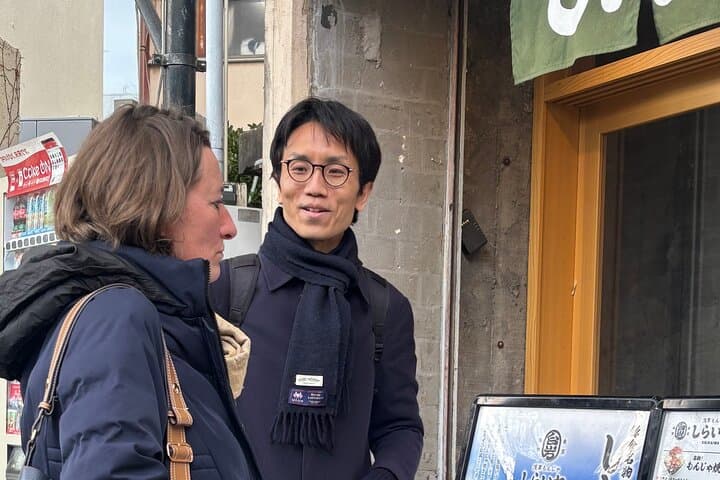
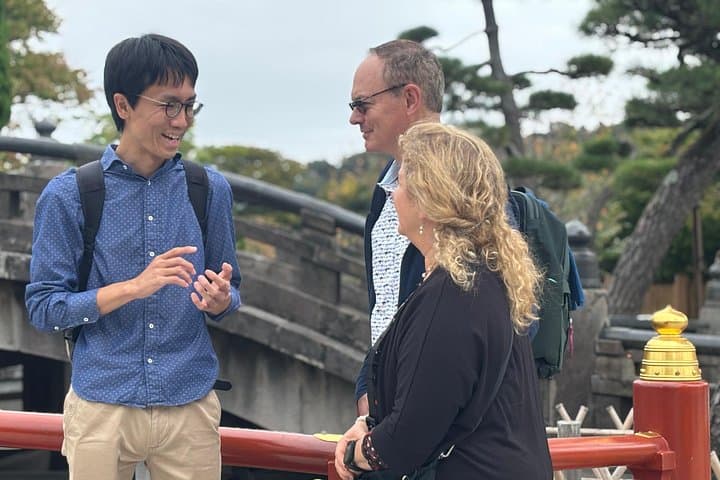
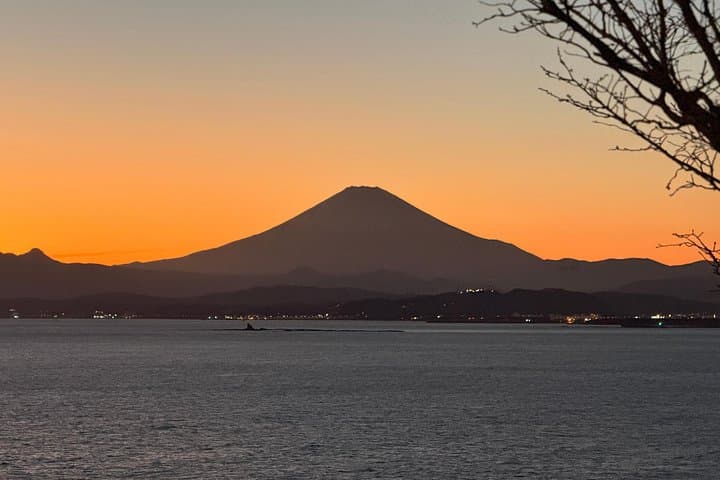
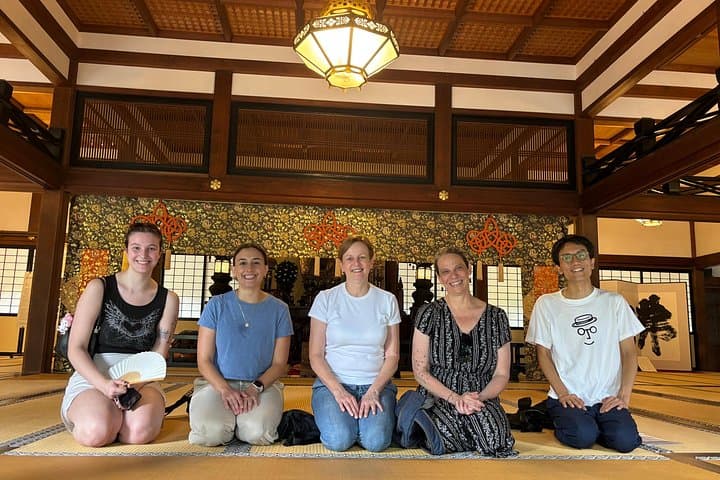
A cool sea breeze meets the first stone steps as travelers step out of Kamakura Station and into a town that still carries the footprint of samurai power. A Kamakura-born guide leads a private, 4–5 hour circuit—from Engaku-ji’s quiet Zen gardens to the ocean-facing decks of Hase-dera—moving at a measured pace that lets the town’s details register: moss on old tile roofs, gulls circling the Sagami Bay, vendors calling from Komachi Dori.
A cool sea breeze meets the first stone steps as travelers step out of Kamakura Station and into a town that still carries the footprint of samurai power. A Kamakura-born guide leads a private, 4–5 hour circuit—from Engaku-ji’s quiet Zen gardens to the ocean-facing decks of Hase-dera—moving at a measured pace that lets the town’s details register: moss on old tile roofs, gulls circling the Sagami Bay, vendors calling from Komachi Dori.
Kamakura was the political heart of Japan’s shogunate in the late 12th century; its temples and shrines are carved from that history. The Great Buddha at Kotoku-in, a weathered bronze figure, anchors the town’s cultural memory, while Tsurugaoka Hachimangu offers insight into the samurai era and seasonal festivals. Geologically, Kamakura sits on low coastal hills and river valleys cut by streams that still direct pedestrian flow between sites—expect short climbs, stone steps, and coastal views rather than alpine ascents.
Practical guidance: meet outside Kamakura Station where your guide will wait; admissions to major temples are typically modest and not included. Wear supportive walking shoes for uneven stone paths and bring a small daypack, water, and sun protection. Public transport is efficient—this itinerary is optimized for foot and short train hops.
A private, customizable format makes the route flexible: swap in artisan shops on Komachi Dori, choose a vegan bento, or linger for photography. Respect temple etiquette, follow your guide’s local insights, and plan for light crowds midweek to make the most of this compact coastal cultural walk.