THE ADVENTURE COLLECTIVE® · Independent discovery and booking for outdoor travel

Escape the city for a focused half-day private tour to Miyajima: see the Itsukushima Shrine’s iconic torii, meet free-roaming deer, and learn the island’s religious and maritime history with an expert guide.
Escape the city for a focused half-day private tour to Miyajima: see the Itsukushima Shrine’s iconic torii, meet free-roaming deer, and learn the island’s religious and maritime history with an expert guide.
The clack of a train, the slow widening of the Inland Sea, and then the torii appears—an orange gate rising from the water like a promise. On this half-day private tour from Osaka or Kyoto, travelers trade city speed for Miyajima’s measured calm, stepping onto island lanes where deer browse and tide charts shape the view.
Verified experiences and guided adventures in the surrounding area.
Operated by Nara Guide · Hatsukaichi, Hiroshima Prefecture
The clack of a train, the slow widening of the Inland Sea, and then the torii appears—an orange gate rising from the water like a promise. On this half-day private tour from Osaka or Kyoto, travelers trade city speed for Miyajima’s measured calm, stepping onto island lanes where deer browse and tide charts shape the view.
Itsukushima Shrine dates to the sixth century, but the vermilion torii that draws photographers today reflects medieval patronage and Shinto practice that blurs land and sea. Geologically, Miyajima is a forested outcrop of volcanic rocks and coastal terraces; the island’s slopes are pierced by shrine platforms and ringed by pebble beaches. Local culture is woven into every step—vendors on Omotesando sell momiji manju while caretakers tend sacred spaces—and a guide versed in Kansai and Hiroshima history clarifies rituals and the shrine’s status as a World Heritage site.
Practically, expect several short walks on compacted paths and wooden boardwalks, brief ferry transfers, and variable tide viewpoints: the torii can be approachable at low tide or set afloat at high tide. Wear sturdy shoes, carry water, and plan for crowds near the shrine at midday.
Timing makes the difference: mornings or late afternoons deliver softer light and fewer people. The tour suits travelers who want cultural context without a full-day commitment—an efficient, contemplative slice of Japan’s coastal heritage.
easy.
4–5 hours.
Moderate—able to walk 2–3 miles with brief stair sections and standing during explanations
The private half-day experience runs about five hours from the meeting point in Shin-Osaka including rail and ferry transfers and guided time on Miyajima.
Shrine access is typically included in the guide’s itinerary time but specific shrine admission fees for special areas may not be covered—confirm at booking.
Yes—paths are generally stroller-friendly but expect steps at some sites; the tour notes stroller accessibility and can accommodate families.
Deer are used to people but remain wild—avoid feeding them human snacks, and follow your guide’s advice to minimize stress to the animals.
Itsukushima Shrine has evolved since the 6th century, with the current layout reflecting Heian- and medieval-period patronage linking sacred architecture to maritime routes.
Miyajima manages visitor impact through designated walkways and regulations near sacred sites; avoid feeding wildlife and stick to marked paths to protect vegetation and shrine structures.
Nara Guide operates guided outdoor trips and adventures with an emphasis on safety, stewardship, and memorable experiences.
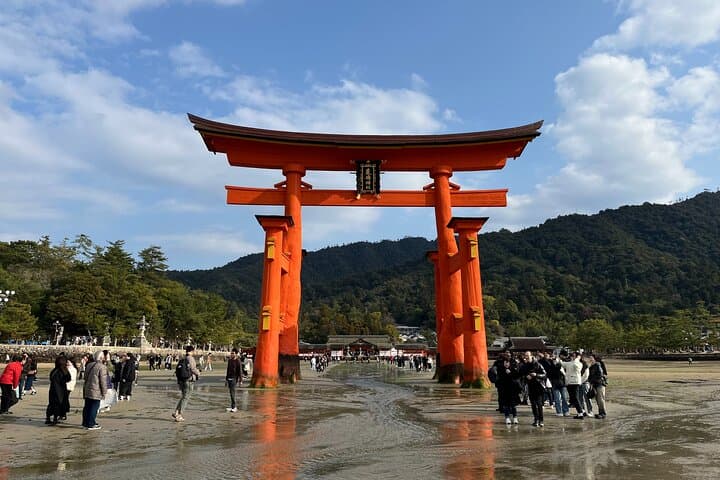
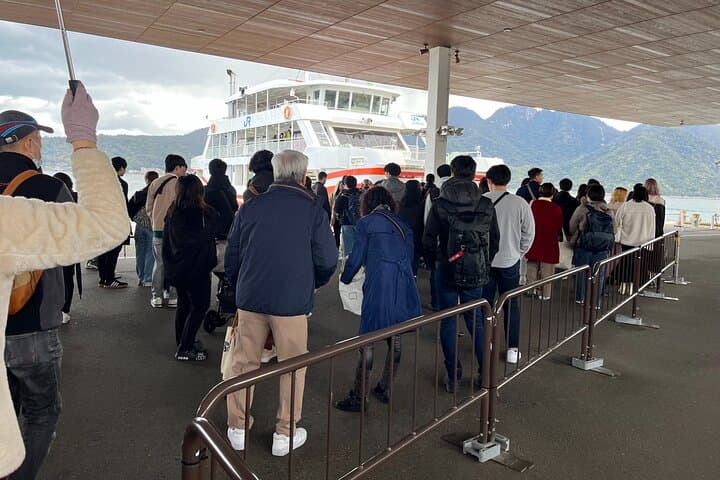
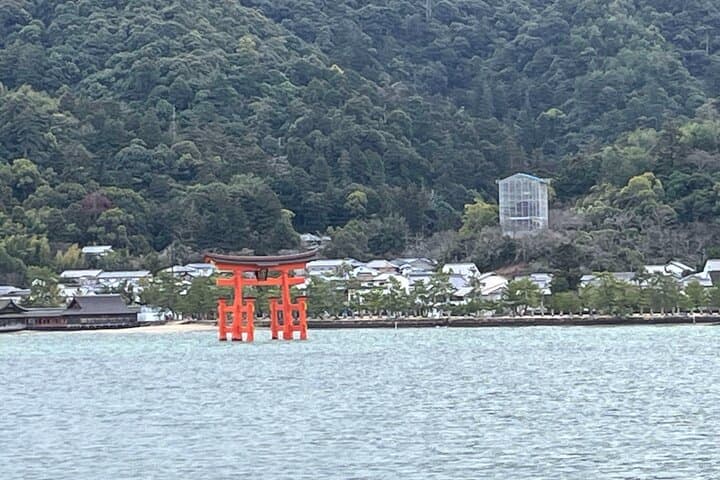
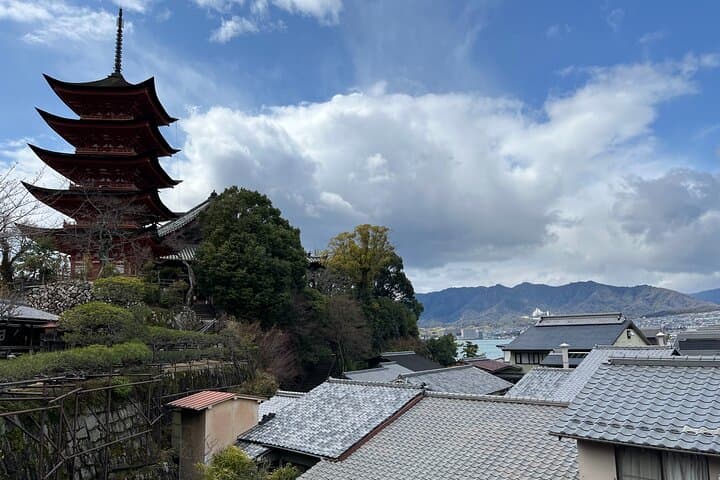
The clack of a train, the slow widening of the Inland Sea, and then the torii appears—an orange gate rising from the water like a promise. On this half-day private tour from Osaka or Kyoto, travelers trade city speed for Miyajima’s measured calm, stepping onto island lanes where deer browse and tide charts shape the view.
The clack of a train, the slow widening of the Inland Sea, and then the torii appears—an orange gate rising from the water like a promise. On this half-day private tour from Osaka or Kyoto, travelers trade city speed for Miyajima’s measured calm, stepping onto island lanes where deer browse and tide charts shape the view.
Itsukushima Shrine dates to the sixth century, but the vermilion torii that draws photographers today reflects medieval patronage and Shinto practice that blurs land and sea. Geologically, Miyajima is a forested outcrop of volcanic rocks and coastal terraces; the island’s slopes are pierced by shrine platforms and ringed by pebble beaches. Local culture is woven into every step—vendors on Omotesando sell momiji manju while caretakers tend sacred spaces—and a guide versed in Kansai and Hiroshima history clarifies rituals and the shrine’s status as a World Heritage site.
Practically, expect several short walks on compacted paths and wooden boardwalks, brief ferry transfers, and variable tide viewpoints: the torii can be approachable at low tide or set afloat at high tide. Wear sturdy shoes, carry water, and plan for crowds near the shrine at midday.
Timing makes the difference: mornings or late afternoons deliver softer light and fewer people. The tour suits travelers who want cultural context without a full-day commitment—an efficient, contemplative slice of Japan’s coastal heritage.