THE ADVENTURE COLLECTIVE® · Independent discovery and booking for outdoor travel

Spend four hours walking Arashiyama’s highlights with a private guide—Tenryuji’s 14th-century calm, the towering bamboo grove, riverside promenades and the old Sagano neighborhood. Expect easy terrain, cultural stops, and timing tips to avoid crowds.
Spend four hours walking Arashiyama’s highlights with a private guide—Tenryuji’s 14th-century calm, the towering bamboo grove, riverside promenades and the old Sagano neighborhood. Expect easy terrain, cultural stops, and timing tips to avoid crowds.
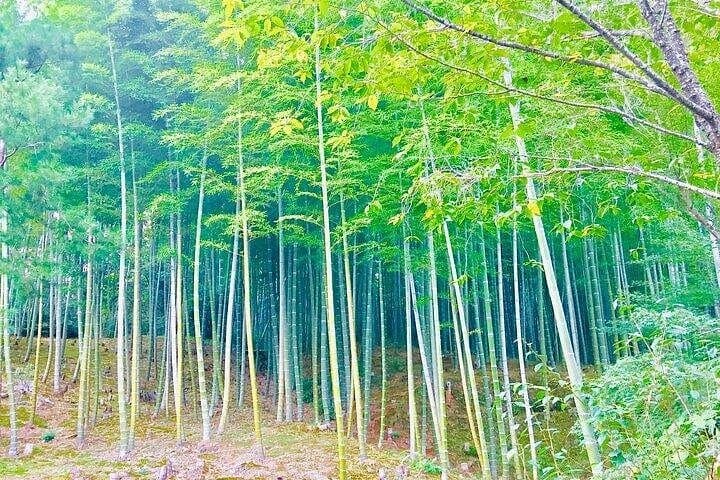
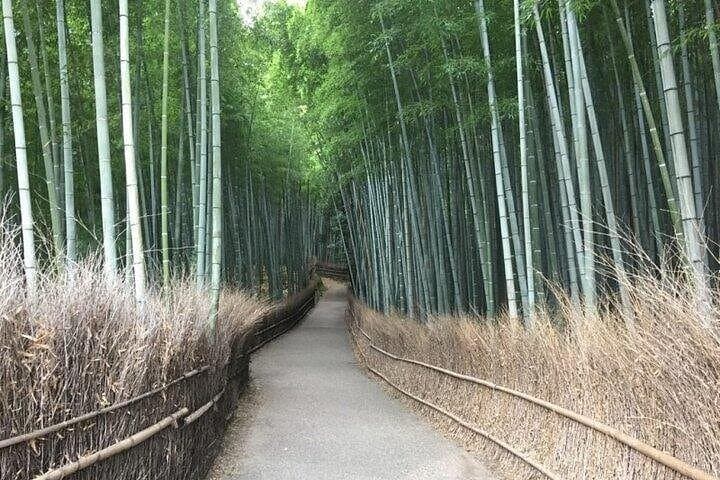
The morning air in Arashiyama is cool and damp, the bamboo grove standing like a living corridor that channels sound and light. Walkers step quietly beneath stalks that tower and sway, while the Katsura River pushes itself along the valley edge, urging you toward bridges and river promenades.
Verified experiences and guided adventures in the surrounding area.
Operated by Nara Guide · Kyoto, Kyoto Prefecture
The morning air in Arashiyama is cool and damp, the bamboo grove standing like a living corridor that channels sound and light. Walkers step quietly beneath stalks that tower and sway, while the Katsura River pushes itself along the valley edge, urging you toward bridges and river promenades.
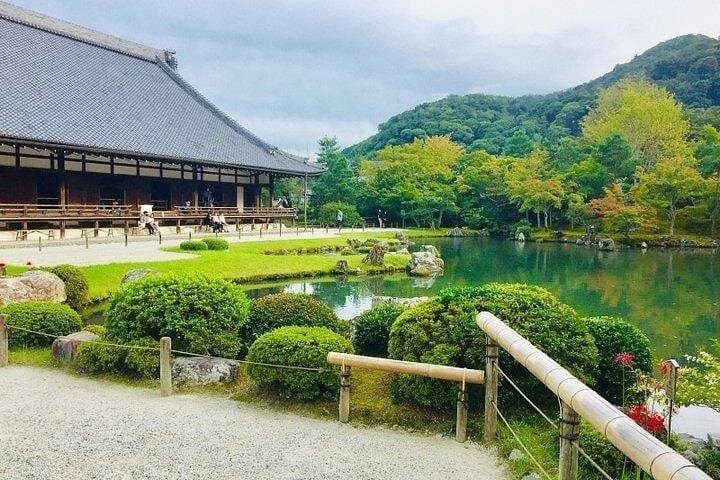
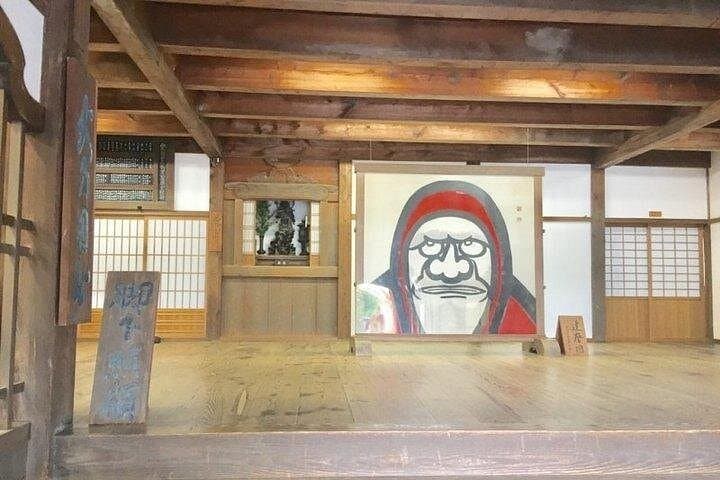
This four-hour private walking tour threads history and landscape. You begin at Tenryuji, a Zen temple with roots in the 14th century and gardens shaped by mountain streams and shogunal patronage. The bamboo stands of Sagano are not ancient forest but a refined planting with a uniquely vertical geology—root systems clinging to alluvial terraces cut by the river. Nearby Arashiyama Park and the riverside promenade offer low-elevation, easy terrain and views back to the wooded slopes where Kyoto’s aristocratic leisure once centered.
Culturally, the area mixes temple ritual and local crafts; you’ll pass small shops selling matcha and yuzu sweets and neighborhoods that recall Edo-period river traffic. Locals still use the Togetsukyo bridge as a meeting point and photo anchor.
Practical guidance: expect roughly 3–5 km of walking on paved paths, stone steps at temple entrances, and short stair sections in the neighborhood. Wear supportive shoes, bring a light rainlayer in spring or typhoon season, and start early to beat the tour groups. Your private guide handles navigation and historical context; be prepared to remove shoes at temple thresholds and to keep voices low in sacred spaces. This half-day offers calm nature, compact history, and a direct sense of Kyoto’s riverside life.
moderate.
4 hours.
Moderate fitness—able to walk 3–5 km with short stair sections and stand for explanations
Most half-day walking tours do not include temple admission; confirm with the operator—guides can advise on ticketing at the site.
The grove gets busiest mid-morning to mid-afternoon; early mornings and weekdays are noticeably quieter.
Many paths and promenades are stroller-friendly, but expect stone steps at temple entrances and some uneven sections in older neighborhoods.
Guides typically can recommend or arrange snack stops that meet dietary needs—notify the operator when booking.
Tenryuji was established in the 14th century and became the head temple of the Rinzai Zen school in the region; the area flourished as a riverside leisure district in later centuries.
The bamboo grove requires ongoing maintenance and crowd management—stay on designated paths, avoid littering, and support local shops rather than disturbing plantings.
Nara Guide operates guided outdoor trips and adventures with an emphasis on safety, stewardship, and memorable experiences.
The morning air in Arashiyama is cool and damp, the bamboo grove standing like a living corridor that channels sound and light. Walkers step quietly beneath stalks that tower and sway, while the Katsura River pushes itself along the valley edge, urging you toward bridges and river promenades.
The morning air in Arashiyama is cool and damp, the bamboo grove standing like a living corridor that channels sound and light. Walkers step quietly beneath stalks that tower and sway, while the Katsura River pushes itself along the valley edge, urging you toward bridges and river promenades.
This four-hour private walking tour threads history and landscape. You begin at Tenryuji, a Zen temple with roots in the 14th century and gardens shaped by mountain streams and shogunal patronage. The bamboo stands of Sagano are not ancient forest but a refined planting with a uniquely vertical geology—root systems clinging to alluvial terraces cut by the river. Nearby Arashiyama Park and the riverside promenade offer low-elevation, easy terrain and views back to the wooded slopes where Kyoto’s aristocratic leisure once centered.
Culturally, the area mixes temple ritual and local crafts; you’ll pass small shops selling matcha and yuzu sweets and neighborhoods that recall Edo-period river traffic. Locals still use the Togetsukyo bridge as a meeting point and photo anchor.
Practical guidance: expect roughly 3–5 km of walking on paved paths, stone steps at temple entrances, and short stair sections in the neighborhood. Wear supportive shoes, bring a light rainlayer in spring or typhoon season, and start early to beat the tour groups. Your private guide handles navigation and historical context; be prepared to remove shoes at temple thresholds and to keep voices low in sacred spaces. This half-day offers calm nature, compact history, and a direct sense of Kyoto’s riverside life.