THE ADVENTURE COLLECTIVE® · Independent discovery and booking for outdoor travel

Move beyond the headlines and experience the British Museum with a private guide who connects the Rosetta Stone, Elgin Marbles and lesser‑seen galleries. This half‑day tour pairs close‑looking insight with practical tips for making the most of a compact visit.
Move beyond the headlines and experience the British Museum with a private guide who connects the Rosetta Stone, Elgin Marbles and lesser‑seen galleries. This half‑day tour pairs close‑looking insight with practical tips for making the most of a compact visit.
You step under the glass dome of the Great Court and the noise of Bloomsbury outside compresses into hushed footsteps and the soft scrape of guide pages. Light pools on display cases; the Rosetta Stone catches the eye first, its dark surface holding a script that rewrote our understanding of language. A private guide traces connections between objects, and the museum opens like a compact world map in stone, metal and ceramic.
Verified experiences and guided adventures in the surrounding area.
Operated by Didi · London, England
You step under the glass dome of the Great Court and the noise of Bloomsbury outside compresses into hushed footsteps and the soft scrape of guide pages. Light pools on display cases; the Rosetta Stone catches the eye first, its dark surface holding a script that rewrote our understanding of language. A private guide traces connections between objects, and the museum opens like a compact world map in stone, metal and ceramic.
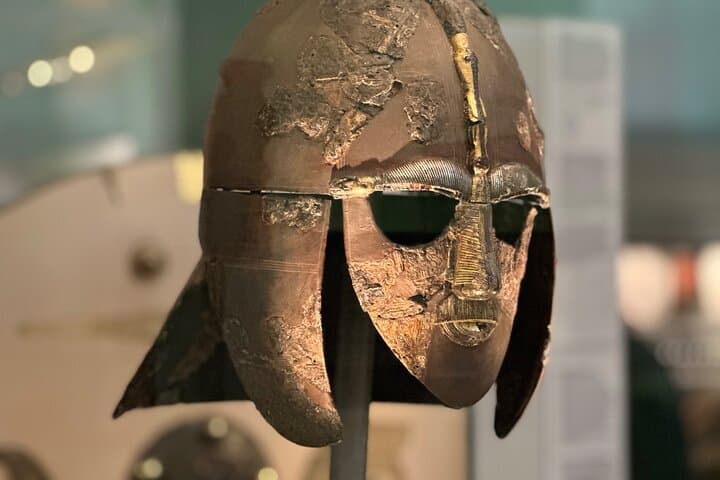
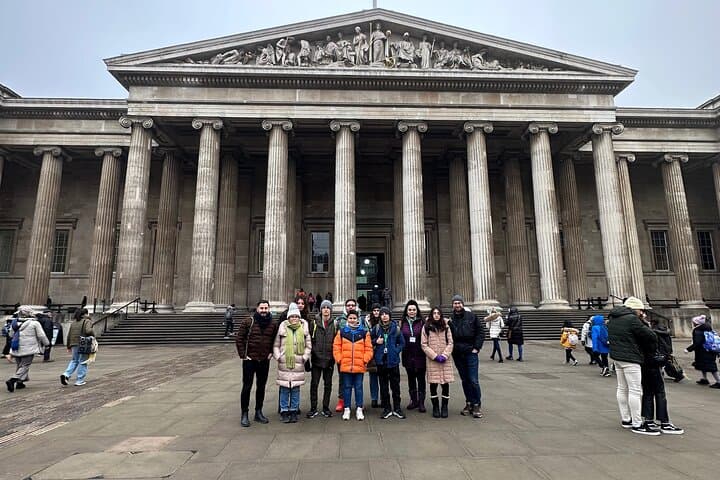
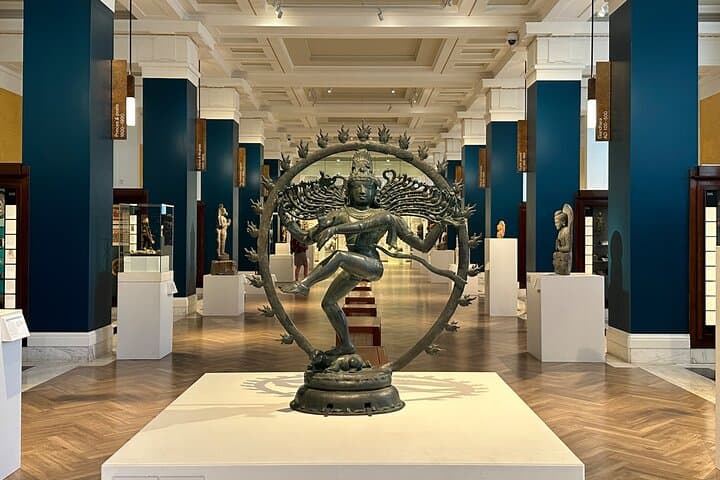
Founded on Sir Hans Sloane’s 1753 collection, the British Museum maps two million years of human craft and exchange. Montagu House’s footprint gives way to 19th‑century galleries and Norman Foster’s modern Great Court; marble from Parthenon friezes sits opposite Egyptian basalt and Mesopotamian reliefs. Cultural threads—trade, conquest, donation—thread the rooms, prompting questions about provenance while offering close study of form, material and technique.
Local insight: the Enlightenment Gallery (Room 1) rewards slow reading of labeled objects, while the Waddesdon Bequest hides decorative surprises. The Bloomsbury neighborhood supplies cafés and green squares for post‑museum debrief.
Practical guidance: a half‑day private tour runs about 2–3 hours and prioritizes three to five highlights—plan which rooms you want first. Wear comfortable shoes for walking and standing; security checks mean light bags move faster. Photography rules vary by gallery (no flash in sensitive rooms). The museum is wheelchair accessible and has restrooms and a café inside. Book a morning slot to avoid peak crowds and leave time after the tour to explore the Great Court and temporary exhibits at a slower pace.
easy.
2–3 hours.
Suitable for most fitness levels; involves walking on hard floors and standing during explanations.
The British Museum’s permanent collections are free; private guiding fees cover the guide’s time—confirm if special exhibitions require separate tickets.
Yes—the museum and the Great Court are wheelchair accessible and guides can tailor routes to mobility needs; notify the operator of accessibility requirements when booking.
Photography is generally allowed without flash for most permanent galleries, but some objects and temporary exhibits restrict photography—your guide will flag those areas.
Private tours are typically for small groups; confirm maximum group size with the tour operator and any per‑booking ticket limitations.
The British Museum was founded in 1753 from Sir Hans Sloane’s collection and expanded through 19th‑century acquisitions; the Great Court by Norman Foster opened in 2000.
The museum operates active conservation labs and publicly communicates conservation work; visitors are encouraged to respect display rules to protect fragile artifacts.
Didi operates guided outdoor trips and adventures with an emphasis on safety, stewardship, and memorable experiences.
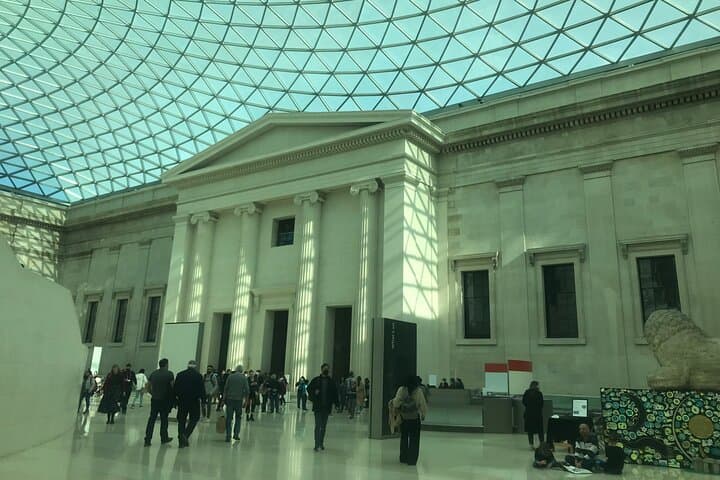
You step under the glass dome of the Great Court and the noise of Bloomsbury outside compresses into hushed footsteps and the soft scrape of guide pages. Light pools on display cases; the Rosetta Stone catches the eye first, its dark surface holding a script that rewrote our understanding of language. A private guide traces connections between objects, and the museum opens like a compact world map in stone, metal and ceramic.
You step under the glass dome of the Great Court and the noise of Bloomsbury outside compresses into hushed footsteps and the soft scrape of guide pages. Light pools on display cases; the Rosetta Stone catches the eye first, its dark surface holding a script that rewrote our understanding of language. A private guide traces connections between objects, and the museum opens like a compact world map in stone, metal and ceramic.
Founded on Sir Hans Sloane’s 1753 collection, the British Museum maps two million years of human craft and exchange. Montagu House’s footprint gives way to 19th‑century galleries and Norman Foster’s modern Great Court; marble from Parthenon friezes sits opposite Egyptian basalt and Mesopotamian reliefs. Cultural threads—trade, conquest, donation—thread the rooms, prompting questions about provenance while offering close study of form, material and technique.
Local insight: the Enlightenment Gallery (Room 1) rewards slow reading of labeled objects, while the Waddesdon Bequest hides decorative surprises. The Bloomsbury neighborhood supplies cafés and green squares for post‑museum debrief.
Practical guidance: a half‑day private tour runs about 2–3 hours and prioritizes three to five highlights—plan which rooms you want first. Wear comfortable shoes for walking and standing; security checks mean light bags move faster. Photography rules vary by gallery (no flash in sensitive rooms). The museum is wheelchair accessible and has restrooms and a café inside. Book a morning slot to avoid peak crowds and leave time after the tour to explore the Great Court and temporary exhibits at a slower pace.