THE ADVENTURE COLLECTIVE® · Independent discovery and booking for outdoor travel

See the Great Pyramid, Sphinx, and plateau views on a private half-day tour that includes a camel ride, lunch, and hotel transfer. Ideal for travelers who want efficient, guided access and contextual interpretation from a local Egyptologist.
See the Great Pyramid, Sphinx, and plateau views on a private half-day tour that includes a camel ride, lunch, and hotel transfer. Ideal for travelers who want efficient, guided access and contextual interpretation from a local Egyptologist.
The sun leans low over the Giza Plateau, and heat waves shimmer off ancient limestone as your private guide leads you across the hard-packed sand.
Verified experiences and guided adventures in the surrounding area.
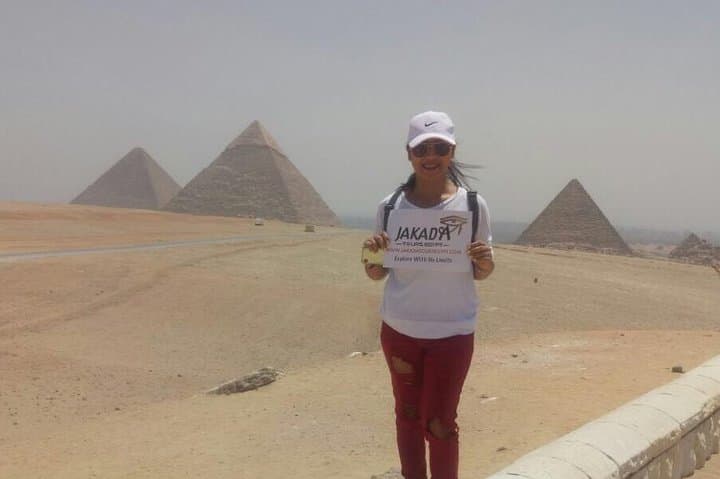
Operated by Jakada Tours Egypt · Giza, Cairo Governorate
The sun leans low over the Giza Plateau, and heat waves shimmer off ancient limestone as your private guide leads you across the hard-packed sand.
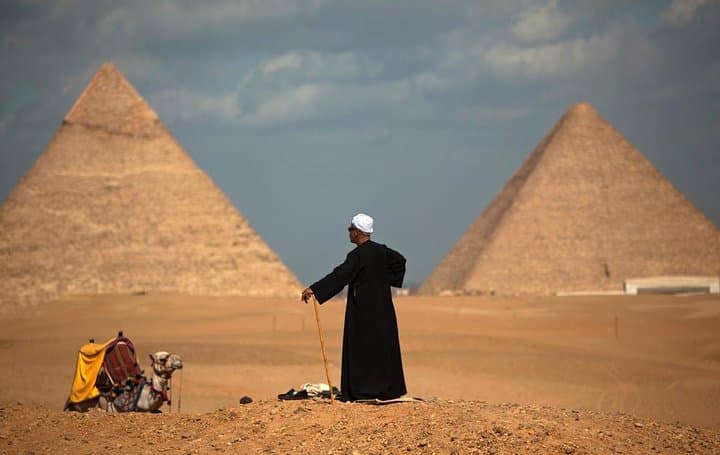
The Great Pyramid rises ahead, its blocks catching the light while a caravan of camels chews and shifts, offering a traditional vantage point across the plateau. Visitors move between the Great Pyramid, the Pyramid of Khafre, and the Great Sphinx, all within easy walking distance, punctuated by short camel rides that lift the view and the pulse.
This landscape records deep human and geological time: 4,500-year-old royal tombs built when the Nile flooded annually, and local Nubian limestone and core-mass construction that speak to evolving ancient engineering. Culturally, the plateau has long been a public stage—pilgrimage, early tourism, and modern national identity converge here.
Practically, this is a compact, low-impact half-day excursion. It typically lasts about four hours, with hotel pickup, entrance fees, bottled water, and lunch included. Expect short walks over uneven, sandy terrain and brief climbs onto low viewing mounds for photos. Guides handle paperwork and timing to avoid the largest crowds when possible.
Bring sun protection, sturdy footwear, and patience for bargaining with vendors at the edge of the site. Photography is allowed in most outdoor zones but restricted inside certain chambers. Respect rope lines and avoid touching ancient masonry.
This private format suits travelers wanting efficiency and context: an Egyptologist will interpret hieroglyphs, point out construction features, and arrange a calm camel experience so you leave with clearer history and a strong sense of place.
easy.
4 hours.
Suitable for most fitness levels; involves short walks on uneven, sandy terrain and brief standing periods
Yes; this private half-day trip includes entrance fees to the Giza complex and an Egyptian lunch as part of the tour package.
Camel rides are short and guided; children must be accompanied by an adult and handlers provide basic safety instructions.
Expect short walks between monuments across sandy and slightly uneven surfaces; the tour is designed to be low-impact and suitable for most visitors.
Access to interior chambers is restricted and sometimes requires an additional ticket; ask your guide ahead of time to check availability and restrictions.
The Giza pyramids date to Egypt’s Fourth Dynasty (around 2600–2500 BCE) and served as monumental tombs for pharaohs, reflecting advanced ancient engineering and funerary practices.
Visitor pressure and wind erosion threaten exposed stone; stay on marked paths, avoid touching masonry, and support local conservation by following guide instructions.
Jakada Tours Egypt operates guided outdoor trips and adventures with an emphasis on safety, stewardship, and memorable experiences.
The sun leans low over the Giza Plateau, and heat waves shimmer off ancient limestone as your private guide leads you across the hard-packed sand.
The sun leans low over the Giza Plateau, and heat waves shimmer off ancient limestone as your private guide leads you across the hard-packed sand.
The Great Pyramid rises ahead, its blocks catching the light while a caravan of camels chews and shifts, offering a traditional vantage point across the plateau. Visitors move between the Great Pyramid, the Pyramid of Khafre, and the Great Sphinx, all within easy walking distance, punctuated by short camel rides that lift the view and the pulse.
This landscape records deep human and geological time: 4,500-year-old royal tombs built when the Nile flooded annually, and local Nubian limestone and core-mass construction that speak to evolving ancient engineering. Culturally, the plateau has long been a public stage—pilgrimage, early tourism, and modern national identity converge here.
Practically, this is a compact, low-impact half-day excursion. It typically lasts about four hours, with hotel pickup, entrance fees, bottled water, and lunch included. Expect short walks over uneven, sandy terrain and brief climbs onto low viewing mounds for photos. Guides handle paperwork and timing to avoid the largest crowds when possible.
Bring sun protection, sturdy footwear, and patience for bargaining with vendors at the edge of the site. Photography is allowed in most outdoor zones but restricted inside certain chambers. Respect rope lines and avoid touching ancient masonry.
This private format suits travelers wanting efficiency and context: an Egyptologist will interpret hieroglyphs, point out construction features, and arrange a calm camel experience so you leave with clearer history and a strong sense of place.