THE ADVENTURE COLLECTIVE® · Independent discovery and booking for outdoor travel

Spend four focused hours on the Giza Plateau with a private Egyptologist, exploring the Great Pyramid, the Sphinx and two smaller pyramids, capped by a local lunch and an optional camel ride. This half-day tour balances close-up history with practical logistics for a stress-free visit.
Spend four focused hours on the Giza Plateau with a private Egyptologist, exploring the Great Pyramid, the Sphinx and two smaller pyramids, capped by a local lunch and an optional camel ride. This half-day tour balances close-up history with practical logistics for a stress-free visit.
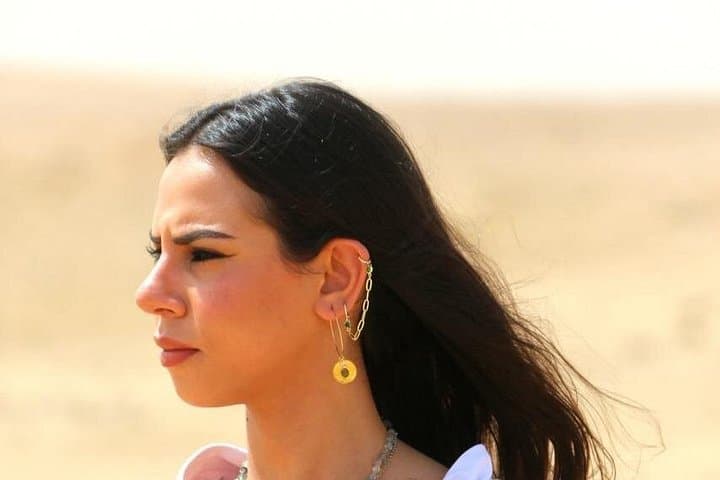
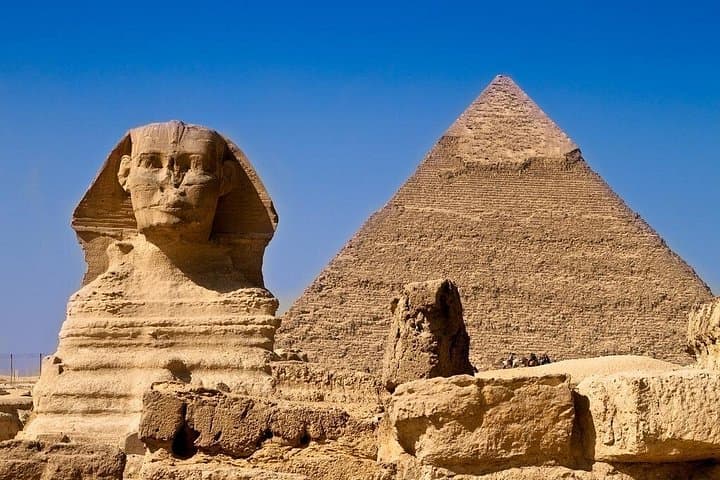
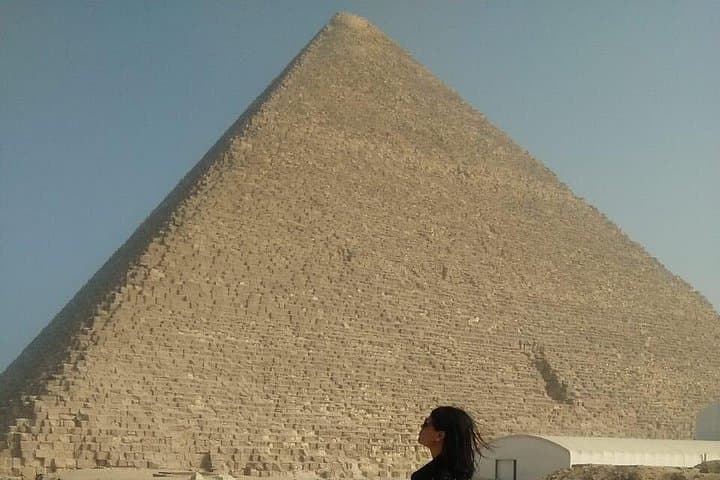
A warm wind moves across the Giza Plateau, stirring dust and carrying the faint bray of camels standing guard beneath stone giants. You arrive by air-conditioned minivan and step onto the same limestone that supported pharaohs and caravans; the Great Pyramid rises ahead, bold and weathered, the Sphinx watching with that ancient, half-smile.
Verified experiences and guided adventures in the surrounding area.
Operated by Tree of Life Day Tours · Giza, Giza Governorate
A warm wind moves across the Giza Plateau, stirring dust and carrying the faint bray of camels standing guard beneath stone giants. You arrive by air-conditioned minivan and step onto the same limestone that supported pharaohs and caravans; the Great Pyramid rises ahead, bold and weathered, the Sphinx watching with that ancient, half-smile.
These monuments date to Egypt’s Fourth Dynasty—around 4,500 years ago—when Khufu (Cheops), Khafre (Chephren) and Menkaure (Mycerinus) ordered tombs of monumental scale. The plateau’s geology is compacted limestone and bedrock quarrying left visible scars; later civilization layers and Bedouin camel culture sit next to modern Cairo’s sprawl.
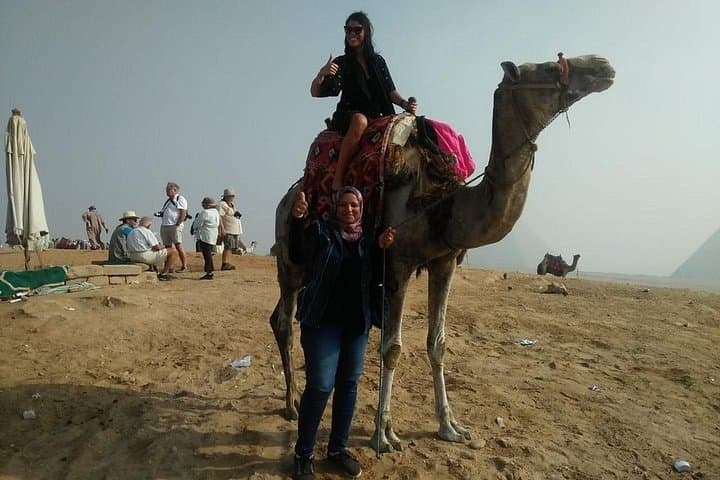
A qualified Egyptologist escorts the group, translating architectural detail and funerary practice into clear context: why alignment mattered, how casing stones were lost, and how the Sphinx was restored across centuries. You’ll have time for a controlled camel ride on the plateau’s fringes and a seated lunch at a local restaurant offering classic Egyptian dishes.
Practicalities: this private half-day runs about four hours and includes entrance fees, bottled water, and private transport with Wi‑Fi. Wear sturdy closed-toe shoes for uneven limestone, bring sun protection, and plan for dusty gusts—scarf or light layers help. Photography is permitted on the plateau, but climbing the pyramids is prohibited; interior entry into some pyramids is limited and may not be included.
Timing your visit for morning light reduces heat and haze. Keep personal items secure—crowds and souvenir vendors are common near attractions—and confirm pickup details and dietary needs when booking.
easy.
4 hours.
Minimal fitness required—short walks on uneven ground and brief standing periods; suitable for most travelers.
The tour includes general entrance fees to the Giza Plateau; interior access to specific pyramids is limited, subject to availability and separate permits—confirm with the operator before booking.
Yes—private transport picks up from central Cairo locations; exact pickup point and time are requested at booking and usually confirmed in advance.
Camel rides are included but supervised; children must be accompanied by an adult and operators will assign experienced handlers—stroller use is possible but not during the camel ride.
Smart casual and modest clothing is advised; breathable fabrics, closed-toe shoes, and sun protection are recommended for comfort and respect for local norms.
The major Giza pyramids were built during Egypt’s Fourth Dynasty (c. 2600–2500 BCE) as royal tombs—Khufu’s Great Pyramid was the tallest man-made structure for millennia.
Visitor management and ongoing restoration control physical impact; stay on designated paths, don’t climb monuments, and follow guide instructions to protect the site.
Tree of Life Day Tours operates guided outdoor trips and adventures with an emphasis on safety, stewardship, and memorable experiences.
A warm wind moves across the Giza Plateau, stirring dust and carrying the faint bray of camels standing guard beneath stone giants. You arrive by air-conditioned minivan and step onto the same limestone that supported pharaohs and caravans; the Great Pyramid rises ahead, bold and weathered, the Sphinx watching with that ancient, half-smile.
A warm wind moves across the Giza Plateau, stirring dust and carrying the faint bray of camels standing guard beneath stone giants. You arrive by air-conditioned minivan and step onto the same limestone that supported pharaohs and caravans; the Great Pyramid rises ahead, bold and weathered, the Sphinx watching with that ancient, half-smile.
These monuments date to Egypt’s Fourth Dynasty—around 4,500 years ago—when Khufu (Cheops), Khafre (Chephren) and Menkaure (Mycerinus) ordered tombs of monumental scale. The plateau’s geology is compacted limestone and bedrock quarrying left visible scars; later civilization layers and Bedouin camel culture sit next to modern Cairo’s sprawl.
A qualified Egyptologist escorts the group, translating architectural detail and funerary practice into clear context: why alignment mattered, how casing stones were lost, and how the Sphinx was restored across centuries. You’ll have time for a controlled camel ride on the plateau’s fringes and a seated lunch at a local restaurant offering classic Egyptian dishes.
Practicalities: this private half-day runs about four hours and includes entrance fees, bottled water, and private transport with Wi‑Fi. Wear sturdy closed-toe shoes for uneven limestone, bring sun protection, and plan for dusty gusts—scarf or light layers help. Photography is permitted on the plateau, but climbing the pyramids is prohibited; interior entry into some pyramids is limited and may not be included.
Timing your visit for morning light reduces heat and haze. Keep personal items secure—crowds and souvenir vendors are common near attractions—and confirm pickup details and dietary needs when booking.