THE ADVENTURE COLLECTIVE® · Independent discovery and booking for outdoor travel

Spend a half day outside Kuala Lumpur exploring the limestone cathedral of Batu Caves, Royal Selangor pewter, batik craft, and roadside rubber plantations. This private tour pairs geological and cultural highlights with easy walking and door-to-door transportation.
Spend a half day outside Kuala Lumpur exploring the limestone cathedral of Batu Caves, Royal Selangor pewter, batik craft, and roadside rubber plantations. This private tour pairs geological and cultural highlights with easy walking and door-to-door transportation.
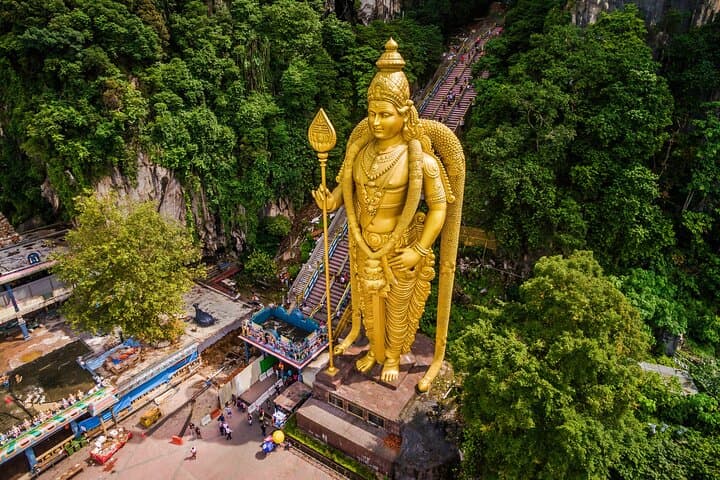
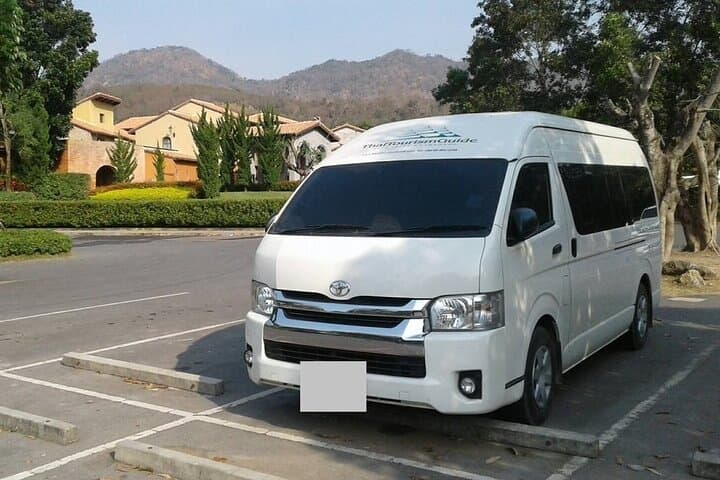
A humid morning light catches the gold of a towering statue before the city dissolves behind you. A modern, air-conditioned vehicle slips out of central Kuala Lumpur and into a green ribbon of roadside palms and rubber trees; the limestone of Batu Caves rises ahead like an old island thrust from the earth, its shadow inviting exploration.
Verified experiences and guided adventures in the surrounding area.
Operated by taxiGo Limo Airport Service · Kuala Lumpur, Selangor
A humid morning light catches the gold of a towering statue before the city dissolves behind you. A modern, air-conditioned vehicle slips out of central Kuala Lumpur and into a green ribbon of roadside palms and rubber trees; the limestone of Batu Caves rises ahead like an old island thrust from the earth, its shadow inviting exploration.
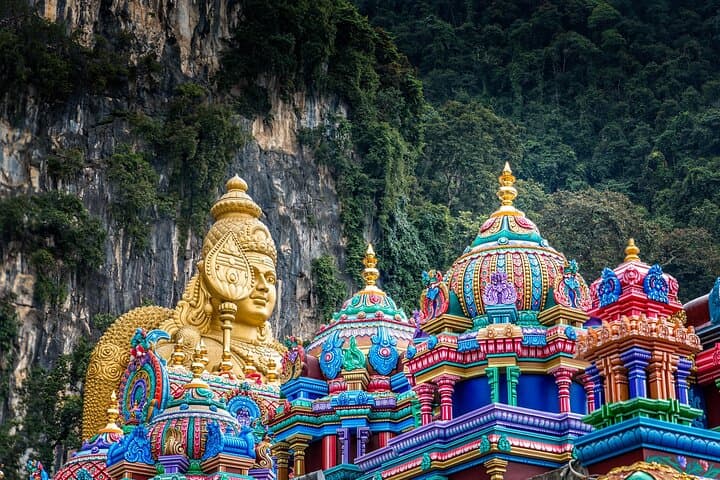
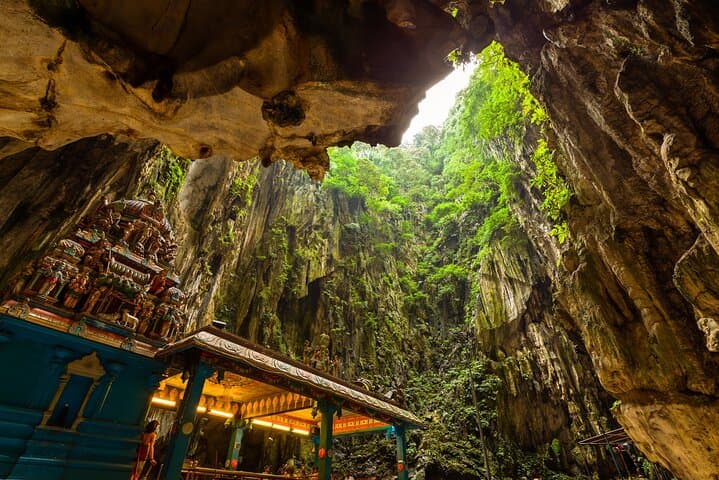
The caves sit within a 400-million-year-old limestone outcrop and have drawn worshippers since the late 19th century. The Temple Cave, guarded by a 42.7 m statue of Lord Murugan, is a working Hindu sanctuary carved into cavernous rock; nearby, museum caves hold murals and smaller shrines. The tour pairs that geological and spiritual presence with domestic craft sites: Royal Selangor’s modern pewter works, a batik workshop with live demonstrations, and a quick look at rubber-plantation rows that underline Malaysia’s colonial-era economy.
Expect short walks, a climb of roughly 272 stairs to the main cave, and cultural encounters more than strenuous exertion—this is a half-day that emphasizes context and close-up detail. Practicalities matter: go early to avoid heat and crowds, wear sturdy closed-toe shoes for steps and loose stone, and carry water and small bills for souvenirs and donations. Dark Cave conservation tours are available separately if you want a focused natural-history detour; otherwise the guide’s local knowledge makes this a compact, efficient introduction to KL’s natural and craft heritage.
Timing, respectful dress at shrines, and awareness around macaques will keep the visit smooth. With pickup and drop-off from the city center, the itinerary balances photo stops, hands-on demonstrations, and a serene return to town ready for the afternoon.
easy.
4–5 hours.
Minimal fitness required—ability to climb stairs and stand for short periods is sufficient
Entrance to the public Batu Caves is free; specialized Dark Cave tours or certain workshops may charge separate fees and are not automatically included.
The main climb to the Temple Cave is approximately 272 steps—steep in places but manageable for most visitors.
Yes; the operator provides infant seats and the itinerary is paced for families, though parents should monitor children on the stairs and near macaques.
No; the Temple Cave requires stair access and uneven surfaces, and is not suitable for wheelchairs.
Batu Caves became a prominent Hindu shrine in the late 19th century and now hosts major events like the annual Thaipusam festival.
Cave habitats are fragile—avoid touching formations or disturbing bats, and follow guides' instructions to minimize impact.
taxiGo Limo Airport Service operates guided outdoor trips and adventures with an emphasis on safety, stewardship, and memorable experiences.
A humid morning light catches the gold of a towering statue before the city dissolves behind you. A modern, air-conditioned vehicle slips out of central Kuala Lumpur and into a green ribbon of roadside palms and rubber trees; the limestone of Batu Caves rises ahead like an old island thrust from the earth, its shadow inviting exploration.
A humid morning light catches the gold of a towering statue before the city dissolves behind you. A modern, air-conditioned vehicle slips out of central Kuala Lumpur and into a green ribbon of roadside palms and rubber trees; the limestone of Batu Caves rises ahead like an old island thrust from the earth, its shadow inviting exploration.
The caves sit within a 400-million-year-old limestone outcrop and have drawn worshippers since the late 19th century. The Temple Cave, guarded by a 42.7 m statue of Lord Murugan, is a working Hindu sanctuary carved into cavernous rock; nearby, museum caves hold murals and smaller shrines. The tour pairs that geological and spiritual presence with domestic craft sites: Royal Selangor’s modern pewter works, a batik workshop with live demonstrations, and a quick look at rubber-plantation rows that underline Malaysia’s colonial-era economy.
Expect short walks, a climb of roughly 272 stairs to the main cave, and cultural encounters more than strenuous exertion—this is a half-day that emphasizes context and close-up detail. Practicalities matter: go early to avoid heat and crowds, wear sturdy closed-toe shoes for steps and loose stone, and carry water and small bills for souvenirs and donations. Dark Cave conservation tours are available separately if you want a focused natural-history detour; otherwise the guide’s local knowledge makes this a compact, efficient introduction to KL’s natural and craft heritage.
Timing, respectful dress at shrines, and awareness around macaques will keep the visit smooth. With pickup and drop-off from the city center, the itinerary balances photo stops, hands-on demonstrations, and a serene return to town ready for the afternoon.