THE ADVENTURE COLLECTIVE® · Independent discovery and booking for outdoor travel

Escape Beirut for a private half‑day through Lebanon’s Bekaa Valley to Château Musar and IXSIR—two wineries that pair deep tradition with modern winemaking. Expect guided tastings, a traditional lunch, and around 5–6 hours door‑to‑door.
Escape Beirut for a private half‑day through Lebanon’s Bekaa Valley to Château Musar and IXSIR—two wineries that pair deep tradition with modern winemaking. Expect guided tastings, a traditional lunch, and around 5–6 hours door‑to‑door.
You leave Beirut with the city shrinking behind you, the coastal haze giving way to the wide, sunlit floor of the Bekaa Valley. The road unfurls past olive terraces and low stone walls; the vines ahead seem to reach toward the slopes, coaxed by heat and limestone. In a private, air‑conditioned car you move from Mediterranean glare into an agricultural basin where grapevines dictate the calendar.
Verified experiences and guided adventures in the surrounding area.
Operated by taxiGo DMC · Zahle, Beqaa
You leave Beirut with the city shrinking behind you, the coastal haze giving way to the wide, sunlit floor of the Bekaa Valley. The road unfurls past olive terraces and low stone walls; the vines ahead seem to reach toward the slopes, coaxed by heat and limestone. In a private, air‑conditioned car you move from Mediterranean glare into an agricultural basin where grapevines dictate the calendar.
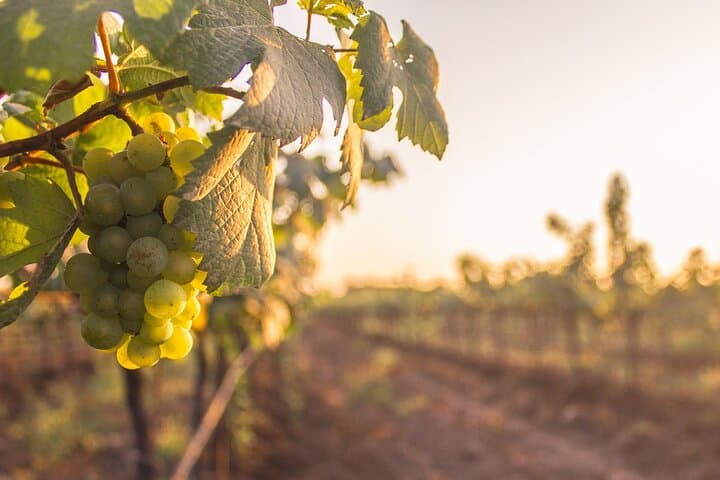
The Bekaa has been Lebanon’s breadbasket for millennia; Roman temples at Baalbek and Phoenician presses attest to an ancient relationship with grape culture. Château Musar—an estate with roots in the early 20th century and stewarded by the Hochar family—keeps traditional, low‑intervention methods, while IXSIR represents a newer wave: contemporary cellar design and terroir‑driven blends influenced by Batroun’s coastal breezes and limestone soils.
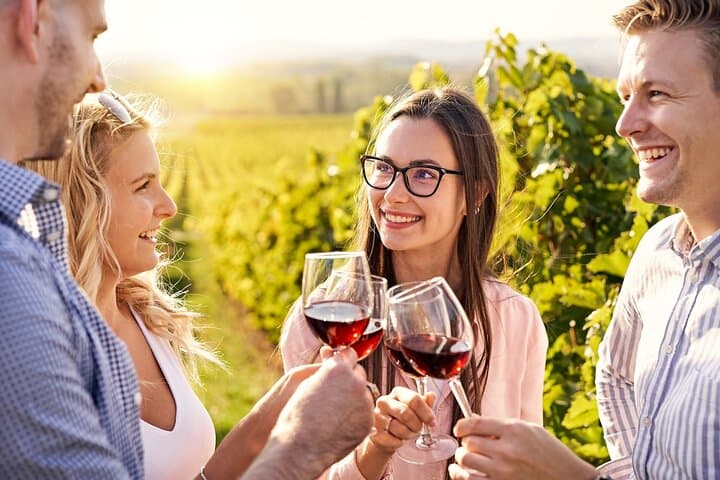
Expect a tasting rhythm: structured pours, technical notes from winemakers, then leisurely local plates for lunch to balance tannin and acid. The day is sensory and practical—identify off‑dry whites, test ageability in reds, and ask about oak regime and native yeasts.
Plan for roughly 5–6 hours total, including driving and two tastings; each estate visit runs 60–120 minutes. Bring ID for legal tastings, sun protection for courtyard breaks, and a small cooler if you plan to buy bottles. Timing matters—late afternoons cool faster in the valley, and private transport means you can focus on tasting while your driver navigates the valley’s changing light.
easy.
5–6 hours.
Minimal fitness required—mostly seated tasting with short walks around vineyards and cellars
The experience runs about 5–6 hours total, including hotel pickup in Beirut, visits to both wineries, lunch, and return transfer.
Guided tastings at both Château Musar and IXSIR and a traditional lunch are included as part of the private tour.
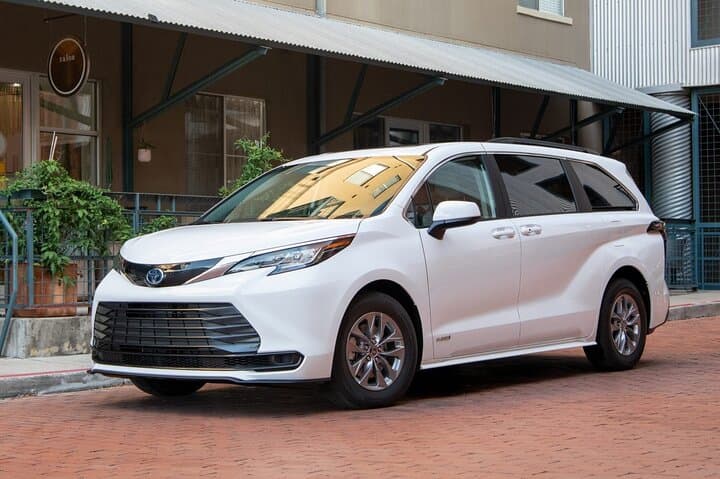
Yes—the tour includes private, air‑conditioned transportation with pickup and drop‑off at your Beirut hotel or address.
Yes—non‑drinkers can still tour the estates, sample grape must, and enjoy the lunch; inform the operator in advance for alternative options.
The Bekaa Valley has supported agriculture since antiquity—Roman temples at Baalbek and millennia of viticulture link the land to winemaking traditions.
Water scarcity and soil health are growing concerns; support producers who practice sustainable viticulture and minimize single‑use plastics during your visit.
taxiGo DMC operates guided outdoor trips and adventures with an emphasis on safety, stewardship, and memorable experiences.
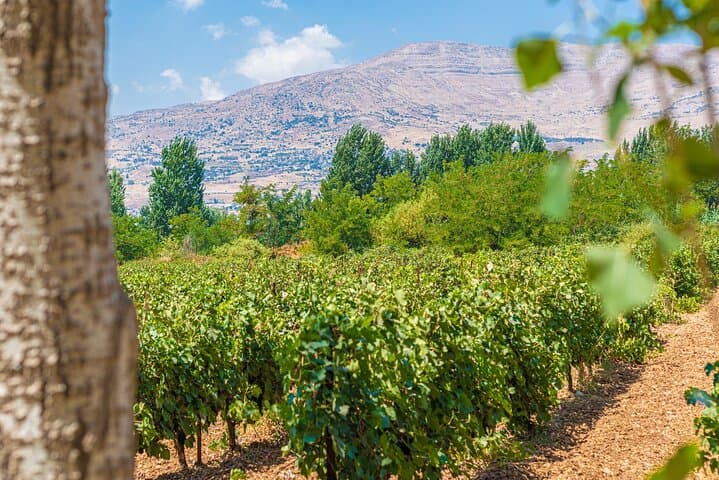
You leave Beirut with the city shrinking behind you, the coastal haze giving way to the wide, sunlit floor of the Bekaa Valley. The road unfurls past olive terraces and low stone walls; the vines ahead seem to reach toward the slopes, coaxed by heat and limestone. In a private, air‑conditioned car you move from Mediterranean glare into an agricultural basin where grapevines dictate the calendar.
You leave Beirut with the city shrinking behind you, the coastal haze giving way to the wide, sunlit floor of the Bekaa Valley. The road unfurls past olive terraces and low stone walls; the vines ahead seem to reach toward the slopes, coaxed by heat and limestone. In a private, air‑conditioned car you move from Mediterranean glare into an agricultural basin where grapevines dictate the calendar.
The Bekaa has been Lebanon’s breadbasket for millennia; Roman temples at Baalbek and Phoenician presses attest to an ancient relationship with grape culture. Château Musar—an estate with roots in the early 20th century and stewarded by the Hochar family—keeps traditional, low‑intervention methods, while IXSIR represents a newer wave: contemporary cellar design and terroir‑driven blends influenced by Batroun’s coastal breezes and limestone soils.
Expect a tasting rhythm: structured pours, technical notes from winemakers, then leisurely local plates for lunch to balance tannin and acid. The day is sensory and practical—identify off‑dry whites, test ageability in reds, and ask about oak regime and native yeasts.
Plan for roughly 5–6 hours total, including driving and two tastings; each estate visit runs 60–120 minutes. Bring ID for legal tastings, sun protection for courtyard breaks, and a small cooler if you plan to buy bottles. Timing matters—late afternoons cool faster in the valley, and private transport means you can focus on tasting while your driver navigates the valley’s changing light.