THE ADVENTURE COLLECTIVE® · Independent discovery and booking for outdoor travel

A focused half-day birding tour through Fort De Soto’s beaches, forests, and fort area. Expect concentrated migration activity in spring and fall, excellent morning light for photography, and a private guide-led experience.
A focused half-day birding tour through Fort De Soto’s beaches, forests, and fort area. Expect concentrated migration activity in spring and fall, excellent morning light for photography, and a private guide-led experience.
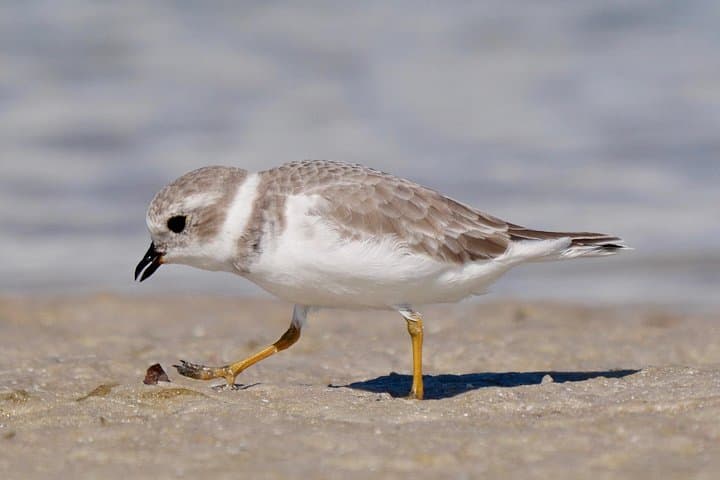
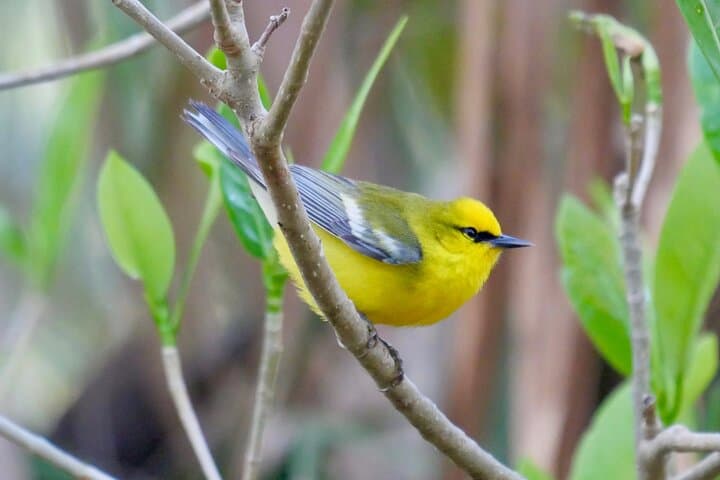
Sunrise on Fort De Soto’s north beach is sharp and revealing: low light sculpts tiny shorebirds probing the wrack while white gulls wheel above, and the salt air seems to move the branches as warblers arrive and flit through the canopy.
Verified experiences and guided adventures in the surrounding area.
Operated by Archaeopteryx Birding and Nature Tours · St. Petersburg, Florida
Sunrise on Fort De Soto’s north beach is sharp and revealing: low light sculpts tiny shorebirds probing the wrack while white gulls wheel above, and the salt air seems to move the branches as warblers arrive and flit through the canopy.
Fort De Soto sits at the southern tip of a chain of barrier islands guarding Tampa Bay. Its beaches, maritime forests, and salt flats are shaped by Holocene sand deposition and longshore currents that funnel migrating birds along a narrow coastal corridor. The park’s namesake fort, built in the late 19th century, hints at coastal defense history while the rangers’ house and freshwater fountains create microhabitats that attract songbirds.
On a private half-day tour you’ll move between habitats — beach, fort boardwalk, shaded forest trails, and picnic grasslands — watching for shorebirds, sea ducks, warblers, and occasional vagrants. Guides provide eBird checklists and local context on seasonal patterns: spring and fall migrations concentrate neotropical species, winter brings ducks and loons, summer yields breeding tanagers and grosbeaks.
Practical guidance: expect 3–5 miles of walking on sand, paved paths, and simple forest trails over roughly five hours; bring binoculars, sun protection, and a light pack with water and snacks. Morning light is best for photography and bird activity; beat the heat and plan for insect protection in warmer months. Tours are private and small-group focused — ideal for photographers and committed birders wanting concentrated species time without large crowds.
moderate.
5 hours.
Moderate fitness: expect multiple short walks up to a few miles total, some on soft sand and uneven trails.
Yes — this listing is a private tour limited to two people, providing a personalized guide and flexible pacing.
The park has standard vehicle entry fees; logistics note meeting information for pickups, so confirm meeting point with your operator.
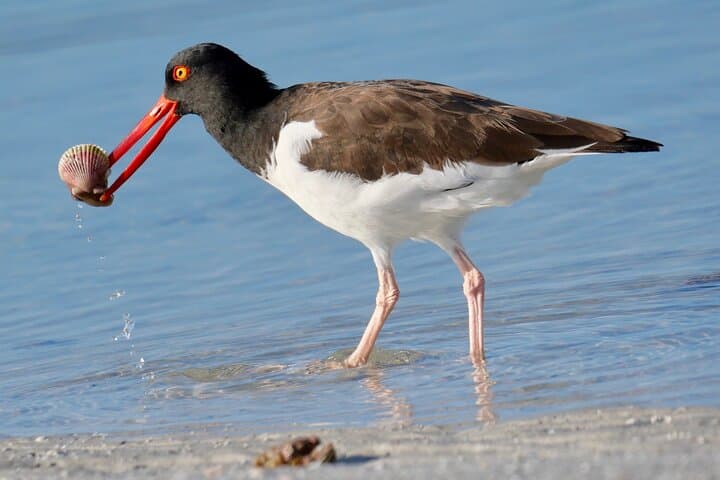
Expect shorebirds like oystercatchers and plovers, migrating warblers and vireos in spring/fall, ducks and loons in winter, and breeding tanagers and grosbeaks in summer.
The tour involves several short walks on sand and paved paths; travelers should have at least moderate mobility—contact the operator for specific accessibility needs.
Fort De Soto is named for 19th-century coastal defense structures; the park sits on barrier islands formed by longshore sediment transport.
Barrier islands are dynamic habitats vulnerable to erosion and human pressure—stay on trails, pack out waste, and minimize disturbance to feeding shorebirds.
Archaeopteryx Birding and Nature Tours operates guided outdoor trips and adventures with an emphasis on safety, stewardship, and memorable experiences.
Sunrise on Fort De Soto’s north beach is sharp and revealing: low light sculpts tiny shorebirds probing the wrack while white gulls wheel above, and the salt air seems to move the branches as warblers arrive and flit through the canopy.
Sunrise on Fort De Soto’s north beach is sharp and revealing: low light sculpts tiny shorebirds probing the wrack while white gulls wheel above, and the salt air seems to move the branches as warblers arrive and flit through the canopy.
Fort De Soto sits at the southern tip of a chain of barrier islands guarding Tampa Bay. Its beaches, maritime forests, and salt flats are shaped by Holocene sand deposition and longshore currents that funnel migrating birds along a narrow coastal corridor. The park’s namesake fort, built in the late 19th century, hints at coastal defense history while the rangers’ house and freshwater fountains create microhabitats that attract songbirds.
On a private half-day tour you’ll move between habitats — beach, fort boardwalk, shaded forest trails, and picnic grasslands — watching for shorebirds, sea ducks, warblers, and occasional vagrants. Guides provide eBird checklists and local context on seasonal patterns: spring and fall migrations concentrate neotropical species, winter brings ducks and loons, summer yields breeding tanagers and grosbeaks.
Practical guidance: expect 3–5 miles of walking on sand, paved paths, and simple forest trails over roughly five hours; bring binoculars, sun protection, and a light pack with water and snacks. Morning light is best for photography and bird activity; beat the heat and plan for insect protection in warmer months. Tours are private and small-group focused — ideal for photographers and committed birders wanting concentrated species time without large crowds.