THE ADVENTURE COLLECTIVE® · Independent discovery and booking for outdoor travel

Step out of Valletta into the stones of prehistory on a private half-day tour that visits Tarxien, Hagar Qim, Mnajdra and the Ghar Dalam cave. Expect short, easy walks on uneven limestone, expert local commentary, and efficient hotel pickup and return.
Step out of Valletta into the stones of prehistory on a private half-day tour that visits Tarxien, Hagar Qim, Mnajdra and the Ghar Dalam cave. Expect short, easy walks on uneven limestone, expert local commentary, and efficient hotel pickup and return.
Morning light cuts across the low limestone as a private van slips out of Valletta and onto lanes that have seen more millennia than most countries. Stone rises from the earth like memory made visible—curved altars, carved spirals and hulking megaliths that held ritual life thousands of years before the arrival of the Phoenicians or the Knights. The tour deposits visitors close to Tarxien, Hagar Qim and Mnajdra, then follows the coastal turn toward Ghar Dalam’s fossil-rich cave near Marsaxlokk.
Verified experiences and guided adventures in the surrounding area.
Operated by taxiGo Limo Airport Service · Valletta, Malta
Morning light cuts across the low limestone as a private van slips out of Valletta and onto lanes that have seen more millennia than most countries. Stone rises from the earth like memory made visible—curved altars, carved spirals and hulking megaliths that held ritual life thousands of years before the arrival of the Phoenicians or the Knights. The tour deposits visitors close to Tarxien, Hagar Qim and Mnajdra, then follows the coastal turn toward Ghar Dalam’s fossil-rich cave near Marsaxlokk.
These sites span Malta’s Neolithic sequence: the Temple Period (c. 3600–2500 BCE) and earlier occupation layers exposed in Ghar Dalam’s deposits. Geologically, the islands are composed mainly of Globigerina and lower coralline limestone, rock that weathered into the massive blocks used by ancient builders. Culturally, the monuments are silent public spaces—places of ceremony, animal offerings and carved iconography whose exact meanings remain debated by archaeologists. Local life still orbits the sea and harbor towns; Marsaxlokk’s bright boats and fish market offer a modern counterpoint to the ancient stones.
Practically, expect short walks on uneven limestone and fenced exhibition areas; Hagar Qim and Mnajdra sit on a low coastal ridge exposed to wind and sun. Bring sun protection, comfortable walking shoes, and a camera with a polarizer for coastal glare. Many sites are managed by Heritage Malta and have set opening hours and modest admissions; this private half-day format minimizes transfers and returns you to your hotel within about four hours, making it an efficient way to see Malta’s oldest standing architecture.
easy.
4 hours.
Suitable for most fitness levels; involves several short walks (5–20 minutes) on uneven ground.
Most temple sites are managed by Heritage Malta and typically charge modest entrance fees; confirm with the operator whether admissions are covered or payable on arrival.
Yes—walking distances are short, but uneven limestone and low steps mean some mobility constraints; the tour is rated easy but not fully level-surface accessible.
Yes—this private excursion generally includes hotel pickup and drop-off in Valletta or nearby accommodations.
Expect multiple short walks of 5–20 minutes at each site for viewing platforms and interpretation areas rather than long hikes.
Malta’s megalithic temples are among the oldest free-standing stone structures in the world, constructed between roughly 3600 and 2500 BCE and now listed as UNESCO World Heritage sites.
The limestone monuments are vulnerable to weathering and visitor wear; stick to designated paths, avoid touching carved surfaces and follow site regulations to protect fragile archaeology.
taxiGo Limo Airport Service operates guided outdoor trips and adventures with an emphasis on safety, stewardship, and memorable experiences.
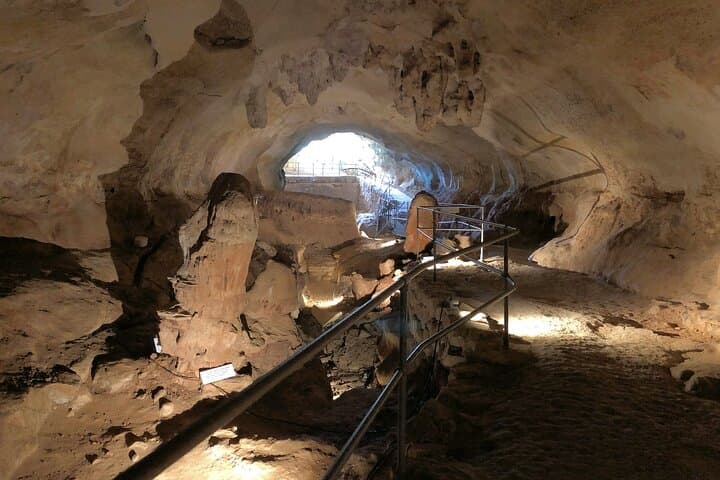
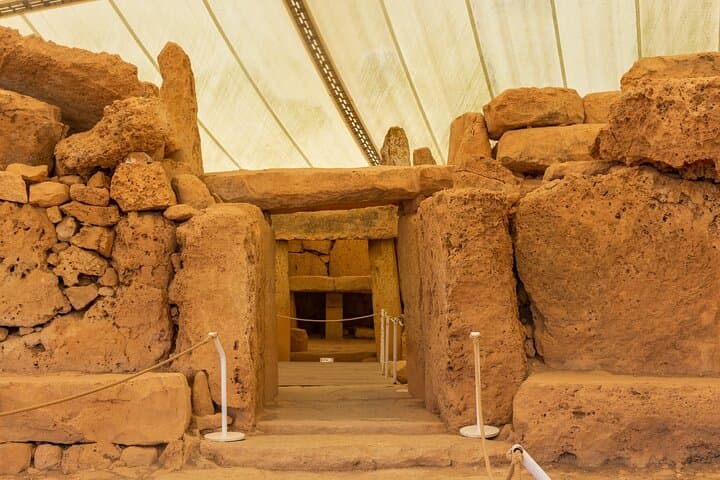
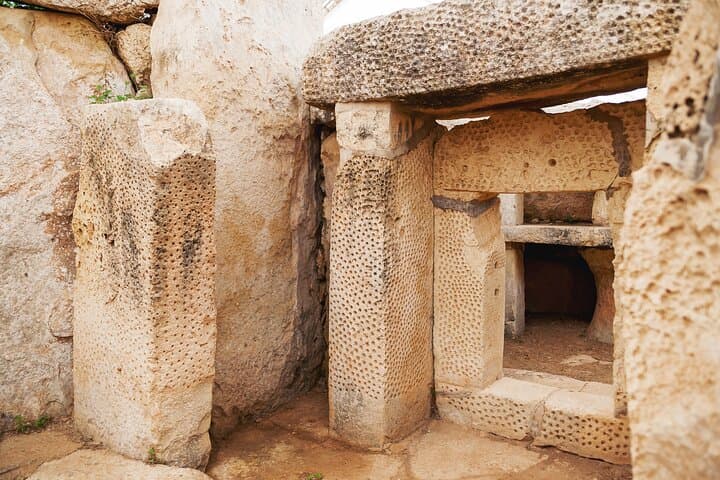

Morning light cuts across the low limestone as a private van slips out of Valletta and onto lanes that have seen more millennia than most countries. Stone rises from the earth like memory made visible—curved altars, carved spirals and hulking megaliths that held ritual life thousands of years before the arrival of the Phoenicians or the Knights. The tour deposits visitors close to Tarxien, Hagar Qim and Mnajdra, then follows the coastal turn toward Ghar Dalam’s fossil-rich cave near Marsaxlokk.
Morning light cuts across the low limestone as a private van slips out of Valletta and onto lanes that have seen more millennia than most countries. Stone rises from the earth like memory made visible—curved altars, carved spirals and hulking megaliths that held ritual life thousands of years before the arrival of the Phoenicians or the Knights. The tour deposits visitors close to Tarxien, Hagar Qim and Mnajdra, then follows the coastal turn toward Ghar Dalam’s fossil-rich cave near Marsaxlokk.
These sites span Malta’s Neolithic sequence: the Temple Period (c. 3600–2500 BCE) and earlier occupation layers exposed in Ghar Dalam’s deposits. Geologically, the islands are composed mainly of Globigerina and lower coralline limestone, rock that weathered into the massive blocks used by ancient builders. Culturally, the monuments are silent public spaces—places of ceremony, animal offerings and carved iconography whose exact meanings remain debated by archaeologists. Local life still orbits the sea and harbor towns; Marsaxlokk’s bright boats and fish market offer a modern counterpoint to the ancient stones.
Practically, expect short walks on uneven limestone and fenced exhibition areas; Hagar Qim and Mnajdra sit on a low coastal ridge exposed to wind and sun. Bring sun protection, comfortable walking shoes, and a camera with a polarizer for coastal glare. Many sites are managed by Heritage Malta and have set opening hours and modest admissions; this private half-day format minimizes transfers and returns you to your hotel within about four hours, making it an efficient way to see Malta’s oldest standing architecture.