THE ADVENTURE COLLECTIVE® · Independent discovery and booking for outdoor travel

Spend a focused half-day with a private guide exploring Angkor Wat’s galleries, bas-reliefs and causeways. This tour pairs cultural context with practical logistics—hotel transfers, bottled water and a nearby lunch for morning departures.
Spend a focused half-day with a private guide exploring Angkor Wat’s galleries, bas-reliefs and causeways. This tour pairs cultural context with practical logistics—hotel transfers, bottled water and a nearby lunch for morning departures.
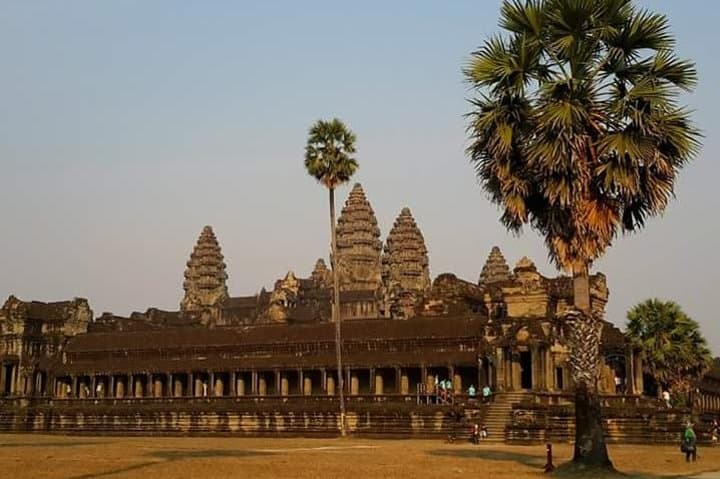
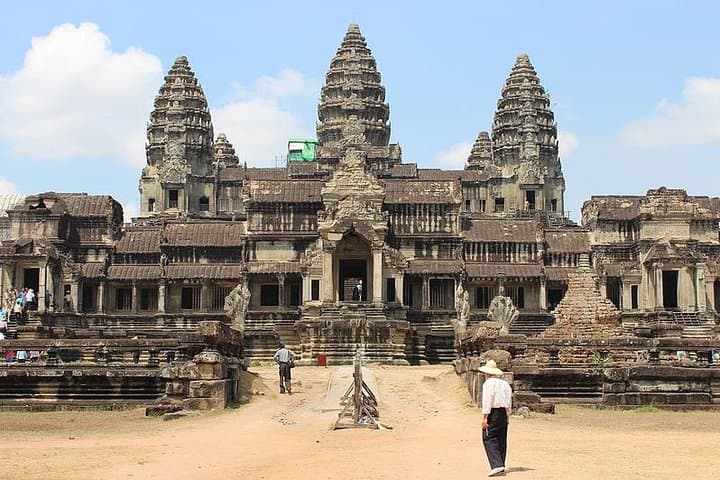
You arrive through a gate of carved stone as heat and humidity press at the edges of the path; the moat reflects the temple’s silhouette and the first towers push upward like history insisting on being seen. A private guide leads you through long galleries where bas-reliefs run like a visual epic and every lintel carries a story written in stone.
Verified experiences and guided adventures in the surrounding area.
Operated by Kampoul Adventure Tour · Siem Reap, Siem Reap Province
You arrive through a gate of carved stone as heat and humidity press at the edges of the path; the moat reflects the temple’s silhouette and the first towers push upward like history insisting on being seen. A private guide leads you through long galleries where bas-reliefs run like a visual epic and every lintel carries a story written in stone.
Angkor Wat was built in the 12th century during the Khmer Empire and remains the largest religious monument ever constructed; its sandstone blocks and causeways reveal both the region’s geology—soft sandstones carved to lasting detail—and centuries of cultural adaptation. Local customs around temple etiquette are straightforward: modest dress, quiet respect, and mindful movement through active worship spaces.
The walk is mainly flat with stone causeways and periodic steps; expect uneven surfaces and sections that collect water in the rainy season. The guide will orient you to the major panels—the celestial dancers, battle scenes and mythic narratives—so the complex reads less like ruins and more like an unfolding archive.
Practical notes: the tour runs 4–5 hours including hotel transfers and a nearby lunch on morning departures. Bring sun protection, comfortable walking shoes with good grip, and a light rain layer in monsoon months. Plan morning departures for cooler light and fewer crowds; afternoon tours are quieter after peak visitor hours. Park entry requires an Angkor Archaeological Park pass; keep identification handy. With a private guide and air-conditioned transfer, this half-day tour focuses on depth over breadth—ideal for first-time visitors wanting concentrated context without a full-day push.
moderate.
4–5 hours.
Suitable for most fitness levels; requires light walking on uneven stone and standing for extended periods
The private half-day tour lasts about 4–5 hours and typically includes an English-speaking guide, hotel pickup/drop-off, air-conditioned transport and bottled water; morning departures often include a nearby lunch.
Yes—entry to Angkor Archaeological Park requires a ticket that is checked at park entrances; bring photo ID when you visit.
Yes—this private tour is paced for a wide range of ages, but participants should be prepared for some walking on uneven ground and standing while viewing monuments.
Dress conservatively—shoulders and knees should be covered; avoid sleeveless tops and very short shorts to respect local customs and temple rules.
Angkor Wat was constructed in the early 12th century under King Suryavarman II as a Hindu temple later converted to a Buddhist site, reflecting layers of Khmer religious history.
Visitor impact is managed through timed entry and park fees that fund conservation; stay on marked paths and avoid touching carvings to help preserve the stonework.
Kampoul Adventure Tour operates guided outdoor trips and adventures with an emphasis on safety, stewardship, and memorable experiences.
You arrive through a gate of carved stone as heat and humidity press at the edges of the path; the moat reflects the temple’s silhouette and the first towers push upward like history insisting on being seen. A private guide leads you through long galleries where bas-reliefs run like a visual epic and every lintel carries a story written in stone.
You arrive through a gate of carved stone as heat and humidity press at the edges of the path; the moat reflects the temple’s silhouette and the first towers push upward like history insisting on being seen. A private guide leads you through long galleries where bas-reliefs run like a visual epic and every lintel carries a story written in stone.
Angkor Wat was built in the 12th century during the Khmer Empire and remains the largest religious monument ever constructed; its sandstone blocks and causeways reveal both the region’s geology—soft sandstones carved to lasting detail—and centuries of cultural adaptation. Local customs around temple etiquette are straightforward: modest dress, quiet respect, and mindful movement through active worship spaces.
The walk is mainly flat with stone causeways and periodic steps; expect uneven surfaces and sections that collect water in the rainy season. The guide will orient you to the major panels—the celestial dancers, battle scenes and mythic narratives—so the complex reads less like ruins and more like an unfolding archive.
Practical notes: the tour runs 4–5 hours including hotel transfers and a nearby lunch on morning departures. Bring sun protection, comfortable walking shoes with good grip, and a light rain layer in monsoon months. Plan morning departures for cooler light and fewer crowds; afternoon tours are quieter after peak visitor hours. Park entry requires an Angkor Archaeological Park pass; keep identification handy. With a private guide and air-conditioned transfer, this half-day tour focuses on depth over breadth—ideal for first-time visitors wanting concentrated context without a full-day push.