THE ADVENTURE COLLECTIVE® · Independent discovery and booking for outdoor travel

See Doha’s contrasts in one half-day: spices and stalls at Souq Waqif, waterfront panoramas along the Corniche, contemporary culture at Katara, and the engineered luxury of The Pearl. Ideal for first-time visitors who want an efficient, private orientation.
See Doha’s contrasts in one half-day: spices and stalls at Souq Waqif, waterfront panoramas along the Corniche, contemporary culture at Katara, and the engineered luxury of The Pearl. Ideal for first-time visitors who want an efficient, private orientation.
The Corniche opens like a stage as your private vehicle glides along the waterfront—wind off the Gulf daring you to lift your camera. Glass towers rise and recede; traditional dhows scud past, their wooden hulls a visible link to Qatar’s seafaring past.
Verified experiences and guided adventures in the surrounding area.
Operated by AGT · Doha, Doha
The Corniche opens like a stage as your private vehicle glides along the waterfront—wind off the Gulf daring you to lift your camera. Glass towers rise and recede; traditional dhows scud past, their wooden hulls a visible link to Qatar’s seafaring past.
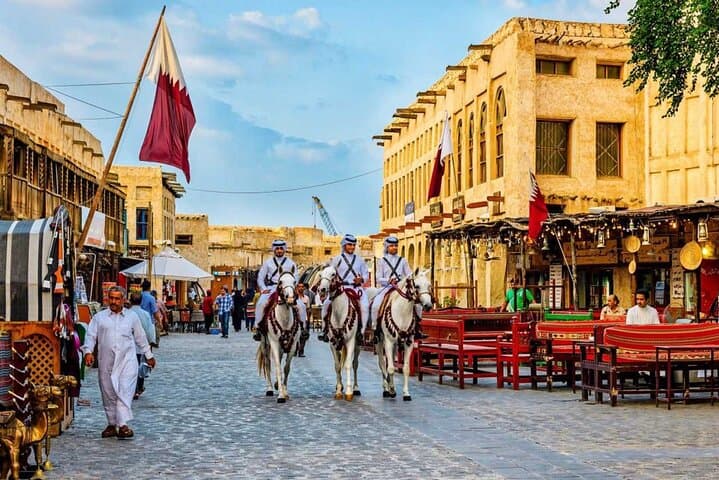
Start at Souq Waqif, where alleys smell of spices and coffee; the market grew from a 20th-century trading hub into a curated experience of craft and cuisine. From there the drive along the Corniche showcases Doha’s rapid urban geology—reclaimed shorelines, artificial islands, and skyline silhouettes shaped by decades of oil and development. Katara Cultural Village occupies one of those new urban edges, a deliberate space for arts and performance that channels traditional Qatari forms into modern galleries.
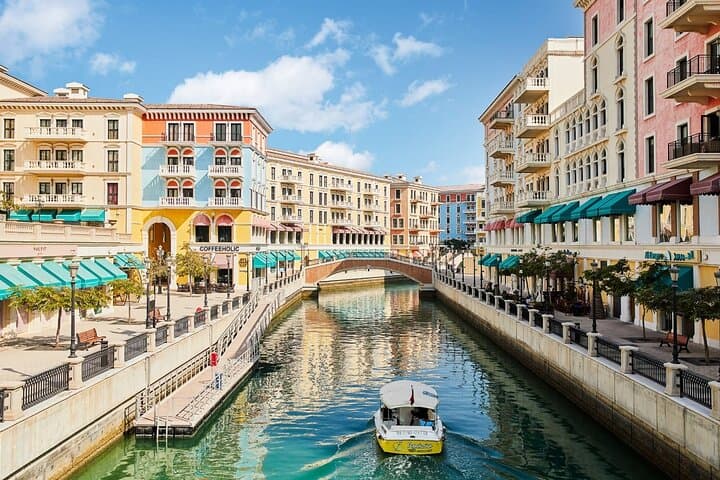
The Pearl-Qatar reads like a case study in engineered luxury: canals, marinas and imported stone laid over reclaimed land. The contrast between Souq Waqif’s human scale and The Pearl’s planned opulence tells Qatar’s recent cultural arc—rooted trade, national identity construction, and a push to globalize culture.
Practical guidance: allow a full four hours for traffic and brief stops; mornings or late afternoons are best to avoid peak heat. Wear sun-protective clothing and comfortable walking shoes—paved streets and gentle slopes dominate, but some sites have cobbled alleys. Bring water and a lightweight scarf for sudden shade in souq alleys. Expect accessible, air-conditioned transport between stops and short guided walks at each site. Photography is welcome, but be mindful of local customs near mosques and residential areas. This half-day balances sensory street-level discovery with designed urban spectacle—ideal for a first-time orientation to Doha.
easy.
3–4 hours.
Light walking on paved streets with short standing periods—suitable for most fitness levels
Most external visits and driving viewpoints are included; museum or paid-attraction admissions noted in the itinerary may require separate ticketing—check your booking confirmation.
This is a private tour with pickup options—confirm your pickup location and time when booking; airport or hotel transfers are commonly available.
Yes; the route is stroller-accessible with short walks, but older children will get more from the guided storytelling and market exploration.
Yes; the itinerary includes a scheduled stop at Souq Waqif typically around 45–60 minutes, enough for browsing and small purchases.
Souq Waqif sits on centuries of trading and pearling activity; Doha’s skyline is largely the result of 20th–21st century oil-era development and recent land reclamation projects.
Rapid coastal development has altered marine and shoreline habitats; recent initiatives in Qatar focus on protected areas, sustainable coastal planning, and preserving cultural sites like Katara and heritage markets.
AGT operates guided outdoor trips and adventures with an emphasis on safety, stewardship, and memorable experiences.
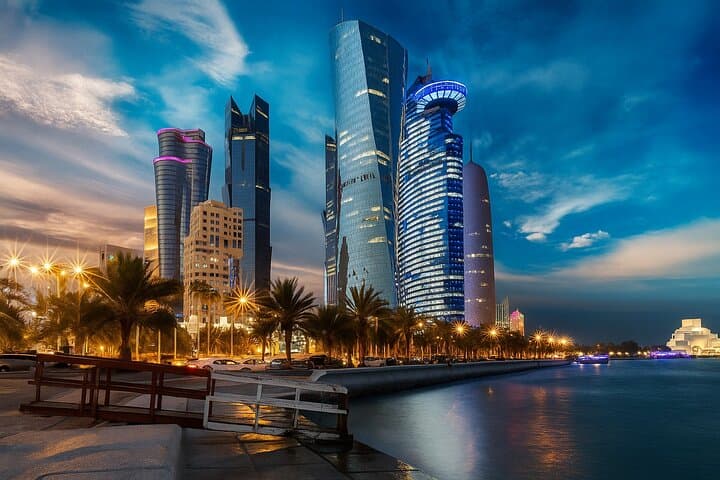
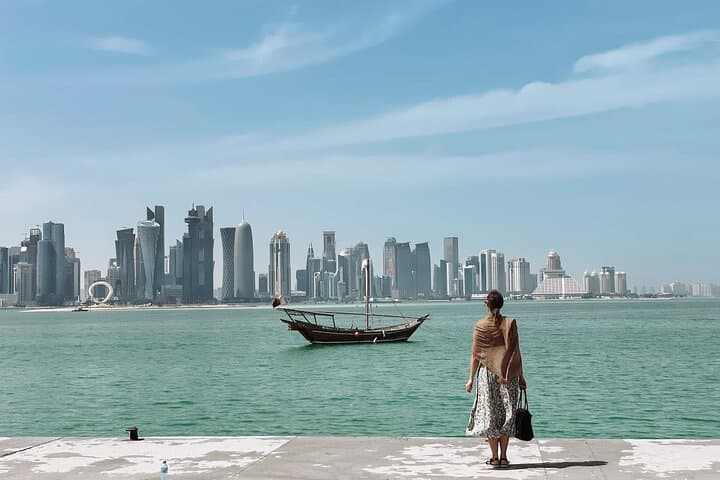
The Corniche opens like a stage as your private vehicle glides along the waterfront—wind off the Gulf daring you to lift your camera. Glass towers rise and recede; traditional dhows scud past, their wooden hulls a visible link to Qatar’s seafaring past.
The Corniche opens like a stage as your private vehicle glides along the waterfront—wind off the Gulf daring you to lift your camera. Glass towers rise and recede; traditional dhows scud past, their wooden hulls a visible link to Qatar’s seafaring past.
Start at Souq Waqif, where alleys smell of spices and coffee; the market grew from a 20th-century trading hub into a curated experience of craft and cuisine. From there the drive along the Corniche showcases Doha’s rapid urban geology—reclaimed shorelines, artificial islands, and skyline silhouettes shaped by decades of oil and development. Katara Cultural Village occupies one of those new urban edges, a deliberate space for arts and performance that channels traditional Qatari forms into modern galleries.
The Pearl-Qatar reads like a case study in engineered luxury: canals, marinas and imported stone laid over reclaimed land. The contrast between Souq Waqif’s human scale and The Pearl’s planned opulence tells Qatar’s recent cultural arc—rooted trade, national identity construction, and a push to globalize culture.
Practical guidance: allow a full four hours for traffic and brief stops; mornings or late afternoons are best to avoid peak heat. Wear sun-protective clothing and comfortable walking shoes—paved streets and gentle slopes dominate, but some sites have cobbled alleys. Bring water and a lightweight scarf for sudden shade in souq alleys. Expect accessible, air-conditioned transport between stops and short guided walks at each site. Photography is welcome, but be mindful of local customs near mosques and residential areas. This half-day balances sensory street-level discovery with designed urban spectacle—ideal for a first-time orientation to Doha.