THE ADVENTURE COLLECTIVE® · Independent discovery and booking for outdoor travel

See Pokhara's best in a short window: a serene Fewa Lake shoreline, the dramatic Devi's Fall and Gupteshwor Cave, plus the International Mountain Museum. This private car tour packs natural drama and cultural context into 2–3 hours with hotel pickup.
See Pokhara's best in a short window: a serene Fewa Lake shoreline, the dramatic Devi's Fall and Gupteshwor Cave, plus the International Mountain Museum. This private car tour packs natural drama and cultural context into 2–3 hours with hotel pickup.
You pull away from a tidy Pokhara hotel and the city opens like a map: the road skims the edge of Fewa Lake where the water holds the Annapurna range as if trying to keep it close.
Verified experiences and guided adventures in the surrounding area.
Operated by Arpan Nepal · Pokhara, Gandaki Province
You pull away from a tidy Pokhara hotel and the city opens like a map: the road skims the edge of Fewa Lake where the water holds the Annapurna range as if trying to keep it close.
This half-day car tour moves deliberately—short drives between four compact highlights: Phewa (Fewa) Lake's placid shore, the sudden plunge of Devi's Fall, the cavernous Gupteshwor Mahadev Cave beneath it, and the International Mountain Museum that threads local mountaineering history with Himalayan culture.
Geology is literal here: limestone caves have been hollowed by water for millennia and the waterfall channels a surface river into an underground shaft, reappearing as spray and roar. Culturally, Pokhara is a meeting place for Gurung and Tibetan-influenced communities; lakeside shrines and the museum's gear and expedition photos reflect a city shaped by mountain travel.
Practical guidance: plan 2–3 hours for a relaxed pace with hotel pickup and drop-off included. Early mornings and late afternoons offer cooler light and fewer boats on the lake; mid-day can be warm and busy. Expect stairs and wet surfaces at the cave and falls—take steady footwear. The museum provides contextual depth fast if you want history without a long trek.
Bring water, sun protection, and a small amount of cash for vehicle tips and site admissions. The route is vehicle-based and accessible for most fitness levels, but each stop involves short walks and steps. Travel with a respectful eye: these are active religious and natural sites—leave no trace and follow local guidance to keep the places you visit as alive as they are now.
easy.
2–3 hours.
Suitable for most fitness levels; involves short walks and stairs at each stop
This private car sightseeing run is 2–3 hours long depending on traffic and how long you spend at each stop.
Admissions to the cave, falls, or museum are typically not included—expect to pay on site.
Yes, round-trip hotel pickup and drop-off in Pokhara are included with the private vehicle.
Yes; the driving minimizes walking distance, though the cave and falls involve stairs that may challenge mobility-limited visitors.
Pokhara grew as a trade and portage town below the Annapurna massif; the International Mountain Museum chronicles the region's long role in Himalayan expeditions and local mountaineering culture.
Fewa Lake faces water-quality pressure from development and tourism—limit litter, avoid single-use plastics, and respect signs and boat limits to help protect shorelines and aquatic life.
Arpan Nepal operates guided outdoor trips and adventures with an emphasis on safety, stewardship, and memorable experiences.
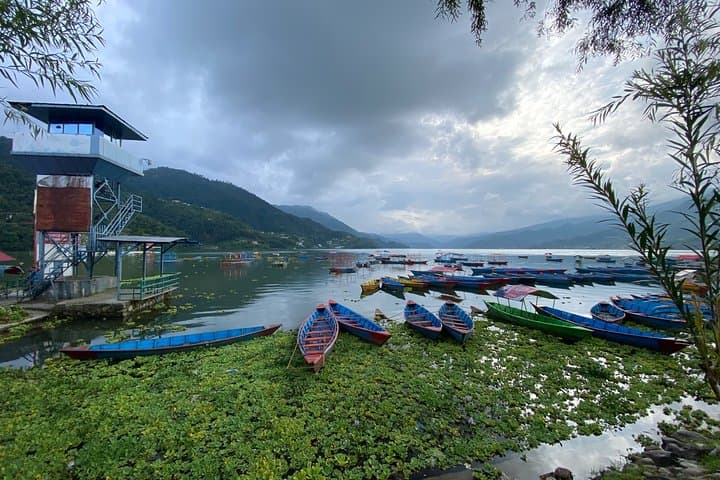
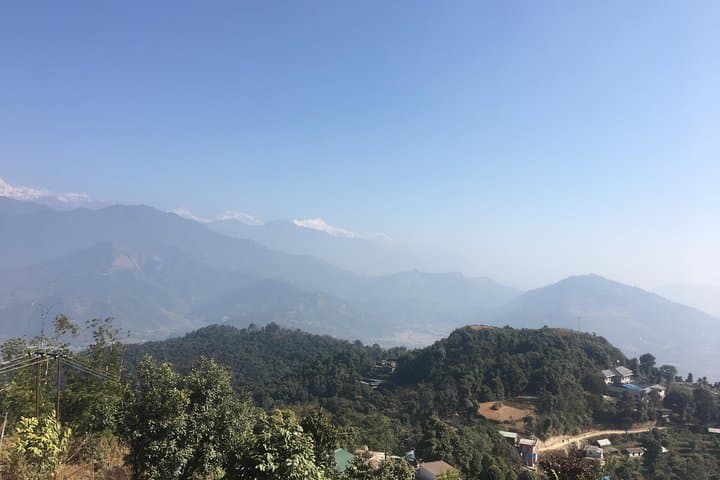
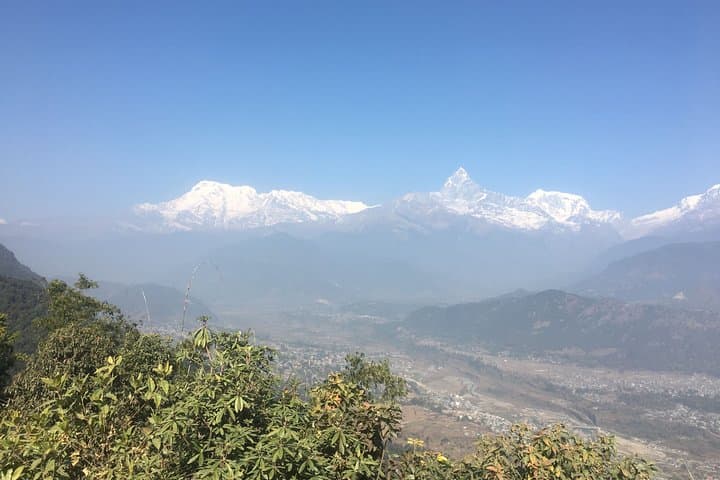
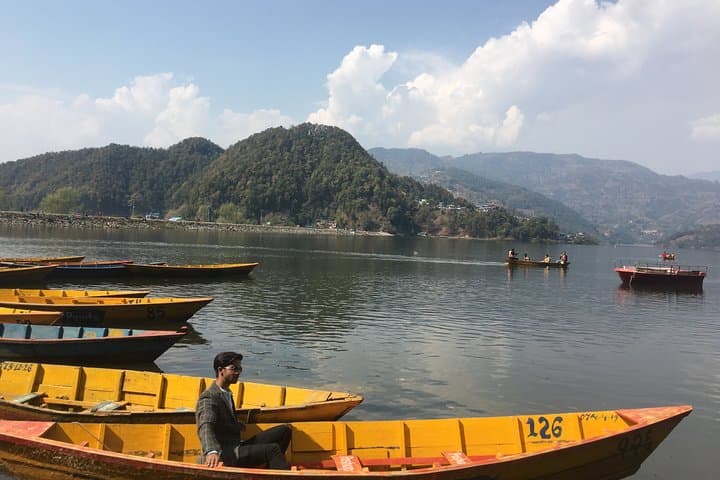
You pull away from a tidy Pokhara hotel and the city opens like a map: the road skims the edge of Fewa Lake where the water holds the Annapurna range as if trying to keep it close.
You pull away from a tidy Pokhara hotel and the city opens like a map: the road skims the edge of Fewa Lake where the water holds the Annapurna range as if trying to keep it close.
This half-day car tour moves deliberately—short drives between four compact highlights: Phewa (Fewa) Lake's placid shore, the sudden plunge of Devi's Fall, the cavernous Gupteshwor Mahadev Cave beneath it, and the International Mountain Museum that threads local mountaineering history with Himalayan culture.
Geology is literal here: limestone caves have been hollowed by water for millennia and the waterfall channels a surface river into an underground shaft, reappearing as spray and roar. Culturally, Pokhara is a meeting place for Gurung and Tibetan-influenced communities; lakeside shrines and the museum's gear and expedition photos reflect a city shaped by mountain travel.
Practical guidance: plan 2–3 hours for a relaxed pace with hotel pickup and drop-off included. Early mornings and late afternoons offer cooler light and fewer boats on the lake; mid-day can be warm and busy. Expect stairs and wet surfaces at the cave and falls—take steady footwear. The museum provides contextual depth fast if you want history without a long trek.
Bring water, sun protection, and a small amount of cash for vehicle tips and site admissions. The route is vehicle-based and accessible for most fitness levels, but each stop involves short walks and steps. Travel with a respectful eye: these are active religious and natural sites—leave no trace and follow local guidance to keep the places you visit as alive as they are now.