THE ADVENTURE COLLECTIVE® · Independent discovery and booking for outdoor travel

A compact half-day tour around Phewa Lake that pairs local religious sites with a short boat crossing to Tal Barahi Temple. Ideal for travelers wanting a cultural lakeside introduction without a long hike.
A compact half-day tour around Phewa Lake that pairs local religious sites with a short boat crossing to Tal Barahi Temple. Ideal for travelers wanting a cultural lakeside introduction without a long hike.
You step off the minivan and the lake greets you first — a wide, glassy expanse that tilts toward the Annapurna foothills. Boats bob like small decisions on the water; gulls and kingfishers cut bright lines across the surface. This half-day circuit moves at a measured pace: a short look at the canal-fed Fewa hydropower works, a visit to small pagoda temples that hug the lake, and a boat trip to the two-story Tal Barahi shrine perched on its island.
Verified experiences and guided adventures in the surrounding area.
Operated by Liberty Holidays · Pokhara, Gandaki Province
You step off the minivan and the lake greets you first — a wide, glassy expanse that tilts toward the Annapurna foothills. Boats bob like small decisions on the water; gulls and kingfishers cut bright lines across the surface. This half-day circuit moves at a measured pace: a short look at the canal-fed Fewa hydropower works, a visit to small pagoda temples that hug the lake, and a boat trip to the two-story Tal Barahi shrine perched on its island.
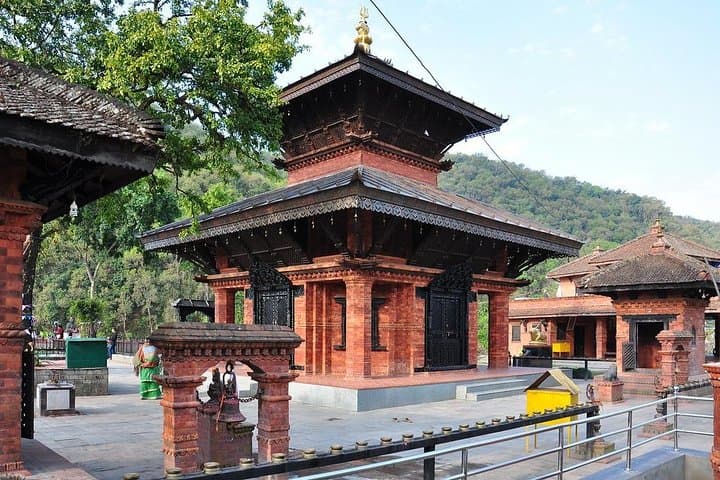
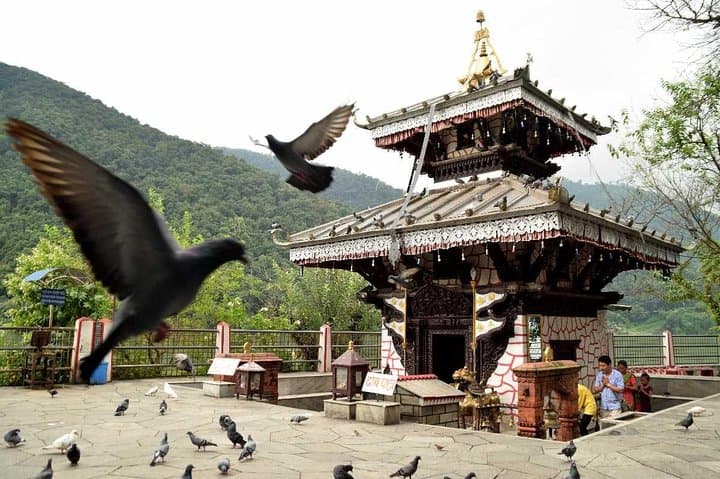
Fewa Power House (commissioned 1969) is a compact reminder of post‑war development in the Pokhara valley — a canal drop station that helped electrify the lakeside communities. Nearby, Ram Mandir and the newer Kedareshwar Mahadev Mani temple reflect the region’s living Hindu traditions; monks and students maintain ritual buildings and daily puja. Geologically, Phewa Lake sits in a tectonic basin fed by mountain run-off; the surrounding low ridges and terraces support rice paddies, small orchards and scattered settlement.
Expect short walks on paved and packed-earth surfaces, a calm five- to ten-minute boat crossing to Tal Barahi, and plenty of stops for photos or quiet observation. Cultural etiquette matters: dress modestly for temple visits, remove shoes where requested, and accept blessings or prasad with both hands. Practical matters — carry cash for small boat fares and donations, hydrate (Pokhara is about 800 m elevation but sun can be strong), and plan for light showers in the monsoon months. Whether you’re after ritual architecture, lake light, or an easy introduction to Pokhara’s shoreline culture, this half-day tour delivers a concise, accessible slice of the valley.
easy.
3–4 hours.
Suitable for travelers of basic fitness; includes short walks and a brief boat crossing—no steep climbs.
The crossing from the lakeshore to the island is typically 5–10 minutes each way depending on wind and boat traffic.
This tour’s inclusions list entrance fees and boating; confirm at booking whether private boat hire or shared boats are used.
Yes—routes are low-impact with minimal walking; infants should sit on an adult’s lap in boats as required.
Yes—the operator offers two start times (about 10:30 am or 1:30 pm); confirm when booking to match your schedule.
Tal Barahi is a long-established lakeside shrine dedicated to the protective goddess Barahi; the Phewa lakeshore has supported Newar, Gurung and other local communities for centuries.
Boat traffic and lakeside development create pressure on water quality and shoreline habitats; use licensed boat operators, avoid littering, and follow local guidance to minimize impact.
Liberty Holidays operates guided outdoor trips and adventures with an emphasis on safety, stewardship, and memorable experiences.
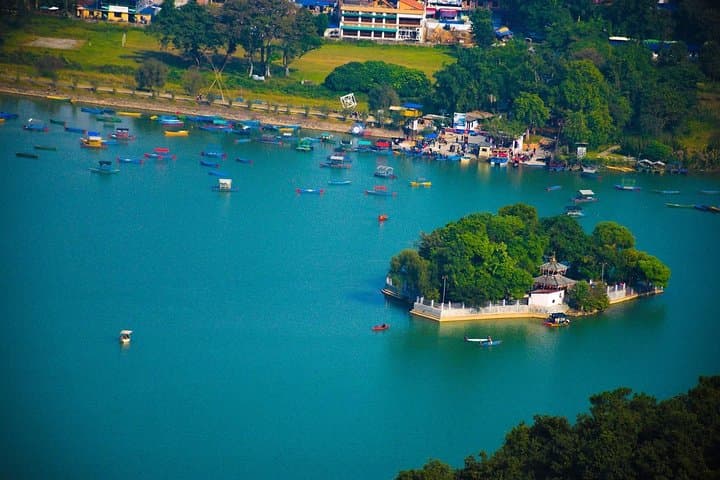
You step off the minivan and the lake greets you first — a wide, glassy expanse that tilts toward the Annapurna foothills. Boats bob like small decisions on the water; gulls and kingfishers cut bright lines across the surface. This half-day circuit moves at a measured pace: a short look at the canal-fed Fewa hydropower works, a visit to small pagoda temples that hug the lake, and a boat trip to the two-story Tal Barahi shrine perched on its island.
You step off the minivan and the lake greets you first — a wide, glassy expanse that tilts toward the Annapurna foothills. Boats bob like small decisions on the water; gulls and kingfishers cut bright lines across the surface. This half-day circuit moves at a measured pace: a short look at the canal-fed Fewa hydropower works, a visit to small pagoda temples that hug the lake, and a boat trip to the two-story Tal Barahi shrine perched on its island.
Fewa Power House (commissioned 1969) is a compact reminder of post‑war development in the Pokhara valley — a canal drop station that helped electrify the lakeside communities. Nearby, Ram Mandir and the newer Kedareshwar Mahadev Mani temple reflect the region’s living Hindu traditions; monks and students maintain ritual buildings and daily puja. Geologically, Phewa Lake sits in a tectonic basin fed by mountain run-off; the surrounding low ridges and terraces support rice paddies, small orchards and scattered settlement.
Expect short walks on paved and packed-earth surfaces, a calm five- to ten-minute boat crossing to Tal Barahi, and plenty of stops for photos or quiet observation. Cultural etiquette matters: dress modestly for temple visits, remove shoes where requested, and accept blessings or prasad with both hands. Practical matters — carry cash for small boat fares and donations, hydrate (Pokhara is about 800 m elevation but sun can be strong), and plan for light showers in the monsoon months. Whether you’re after ritual architecture, lake light, or an easy introduction to Pokhara’s shoreline culture, this half-day tour delivers a concise, accessible slice of the valley.