THE ADVENTURE COLLECTIVE® · Independent discovery and booking for outdoor travel

Explore Pokhara’s top urban and natural sites in four hours: Davis Falls, Gupteshwor Cave, Bindabasini Temple, the Seti gorge and a city museum. This concise tour mixes geology, local culture and easy walking—ideal for travelers short on time.
Explore Pokhara’s top urban and natural sites in four hours: Davis Falls, Gupteshwor Cave, Bindabasini Temple, the Seti gorge and a city museum. This concise tour mixes geology, local culture and easy walking—ideal for travelers short on time.
A morning in Pokhara begins with cool lake air and a city that unfolds between water and foothills. The half-day sightseeing tour moves at a steady, walkable pace: first the sudden roar of Davis Falls where water dives into a narrow chasm, then the hush of Gupteshwor Cave where the waterfall reappears inside a Shiva shrine. A short crossing of the suspension bridge and a stop at Bindabasini Temple give wide views back across the valley and the Annapurna foothills.
Verified experiences and guided adventures in the surrounding area.
Operated by Himalayan Luxury Holidays Pvt. Ltd. · Pokhara, Gandaki Province
A morning in Pokhara begins with cool lake air and a city that unfolds between water and foothills. The half-day sightseeing tour moves at a steady, walkable pace: first the sudden roar of Davis Falls where water dives into a narrow chasm, then the hush of Gupteshwor Cave where the waterfall reappears inside a Shiva shrine. A short crossing of the suspension bridge and a stop at Bindabasini Temple give wide views back across the valley and the Annapurna foothills.
Pokhara sits on an ancient trade corridor and grew as a gateway for Himalayan expeditions; its landscape is carved from young, tectonically active geology—limestone caves and fast, sediment-rich rivers that cut steep gorges like the Seti. The city’s culture mixes Newar and Gurung influences, visible in temple rituals, local markets, and the small Gorkha museum that frames Nepal’s military history.
Expect stone steps, short tunnels, and paved city streets rather than long hikes. The cave is dim and damp; the falls can spray you on windy days. Photography is rewarding—angles from the suspension bridge capture the scale of the Seti gorge while temple rooftops offer panoramic shots of Pokhara and the rim of the Annapurna range.
Practical guide: plan this as a morning or late-afternoon activity to avoid midday heat and tourist crowds; bring a light rain jacket and a pair of grippy walking shoes. Entrance fees to attractions are commonly paid on site; confirm whether admissions are included before you go.
easy.
4 hours.
Suitable for most fitness levels; involves short walks, stairs and brief uneven terrain.
Yes—this private tour typically includes hotel pickup and drop-off within Pokhara; confirm your pickup point at booking.
Not always; the listed itinerary notes admission may not be included, so budget for small fees at Davis Falls, Gupteshwor Cave and Bindabasini Temple.
Generally yes—activity level is easy with short walks, but the cave has stairs and some uneven ground; mobility issues should be discussed with the operator beforehand.
Wear closed-toe shoes and a light layer; the cave is cool and damp and lighting can be low in sections.
Pokhara developed as a trading and mule route gateway to the Himalaya and later as a staging point for mountaineering; Bindabasini Temple is locally important as the city’s protective shrine.
Cave and gorge environments are sensitive—avoid littering, keep to marked paths, and support local guides who practice low-impact tourism.
Himalayan Luxury Holidays Pvt. Ltd. operates guided outdoor trips and adventures with an emphasis on safety, stewardship, and memorable experiences.
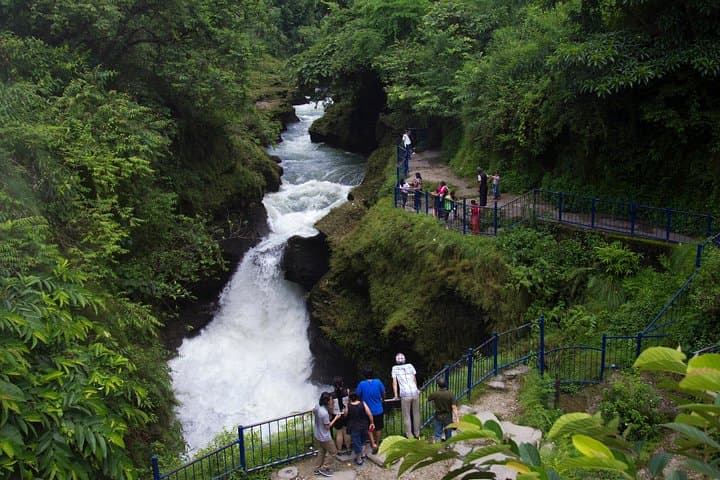
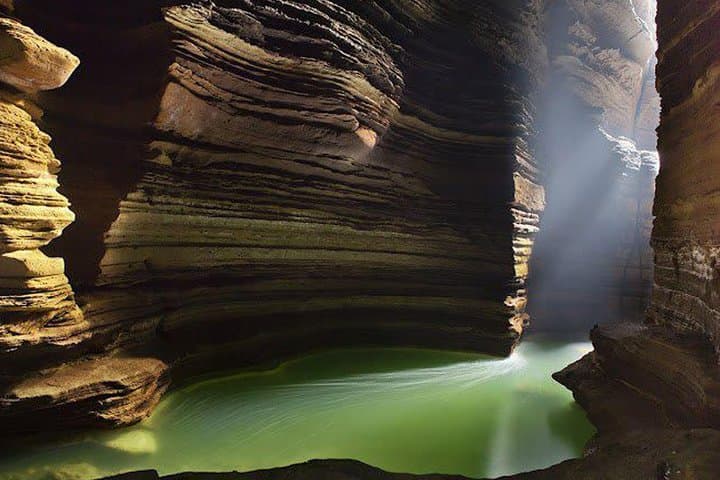
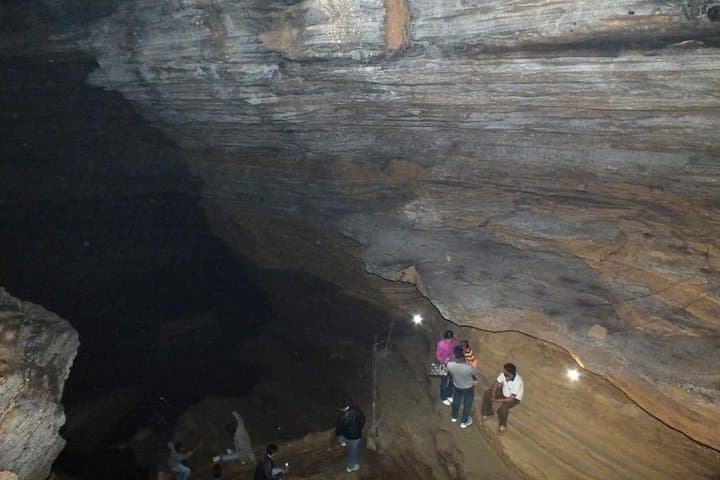
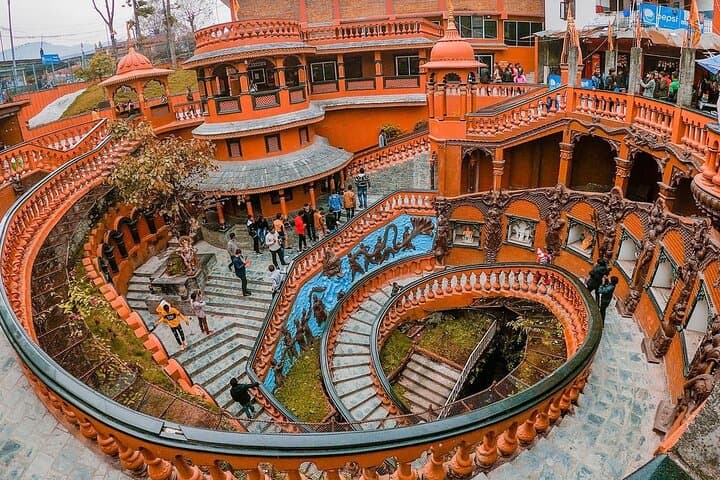
A morning in Pokhara begins with cool lake air and a city that unfolds between water and foothills. The half-day sightseeing tour moves at a steady, walkable pace: first the sudden roar of Davis Falls where water dives into a narrow chasm, then the hush of Gupteshwor Cave where the waterfall reappears inside a Shiva shrine. A short crossing of the suspension bridge and a stop at Bindabasini Temple give wide views back across the valley and the Annapurna foothills.
A morning in Pokhara begins with cool lake air and a city that unfolds between water and foothills. The half-day sightseeing tour moves at a steady, walkable pace: first the sudden roar of Davis Falls where water dives into a narrow chasm, then the hush of Gupteshwor Cave where the waterfall reappears inside a Shiva shrine. A short crossing of the suspension bridge and a stop at Bindabasini Temple give wide views back across the valley and the Annapurna foothills.
Pokhara sits on an ancient trade corridor and grew as a gateway for Himalayan expeditions; its landscape is carved from young, tectonically active geology—limestone caves and fast, sediment-rich rivers that cut steep gorges like the Seti. The city’s culture mixes Newar and Gurung influences, visible in temple rituals, local markets, and the small Gorkha museum that frames Nepal’s military history.
Expect stone steps, short tunnels, and paved city streets rather than long hikes. The cave is dim and damp; the falls can spray you on windy days. Photography is rewarding—angles from the suspension bridge capture the scale of the Seti gorge while temple rooftops offer panoramic shots of Pokhara and the rim of the Annapurna range.
Practical guide: plan this as a morning or late-afternoon activity to avoid midday heat and tourist crowds; bring a light rain jacket and a pair of grippy walking shoes. Entrance fees to attractions are commonly paid on site; confirm whether admissions are included before you go.