THE ADVENTURE COLLECTIVE® · Independent discovery and booking for outdoor travel

See Pokhara’s cultural and natural highlights in a compact half-day: hilltop Bindabasini Temple, the dramatic Seti Gorge, the Gurkha Museum’s military history and the limestone passages of Mahendra Cave. Ideal for travelers who want a focused introduction to the city’s landscape and heritage.
See Pokhara’s cultural and natural highlights in a compact half-day: hilltop Bindabasini Temple, the dramatic Seti Gorge, the Gurkha Museum’s military history and the limestone passages of Mahendra Cave. Ideal for travelers who want a focused introduction to the city’s landscape and heritage.
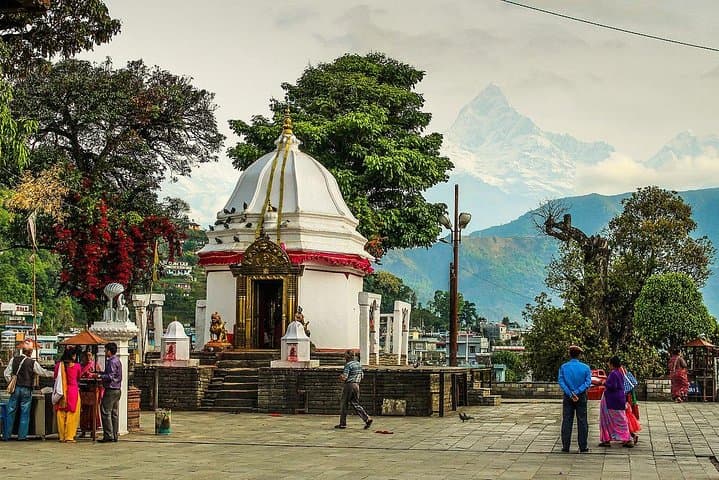
A low hill above Pokhara gives a clear view of the city’s pulse: taxi horns, prayer bells and the constant swing of local life. You begin at Bindabasini Temple where incense and carved stone meet a panoramic lookout; the goddess Durga watches over rooftops and Annapurna’s distant ridgeline.
Verified experiences and guided adventures in the surrounding area.
Operated by Liberty Holidays · Pokhara, Gandaki Province
A low hill above Pokhara gives a clear view of the city’s pulse: taxi horns, prayer bells and the constant swing of local life. You begin at Bindabasini Temple where incense and carved stone meet a panoramic lookout; the goddess Durga watches over rooftops and Annapurna’s distant ridgeline.
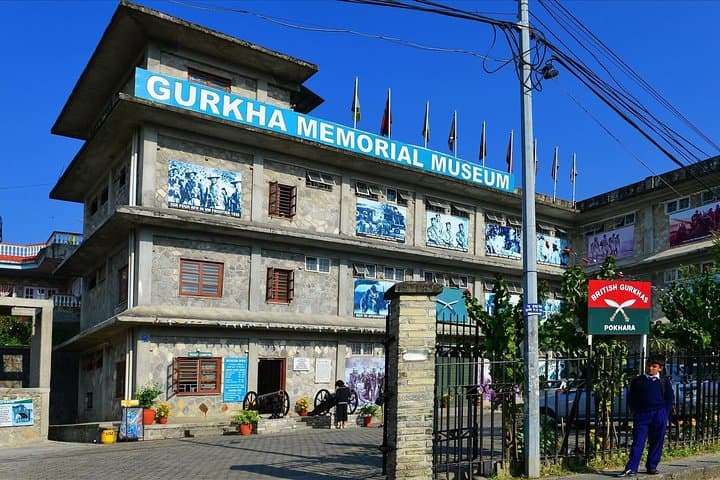
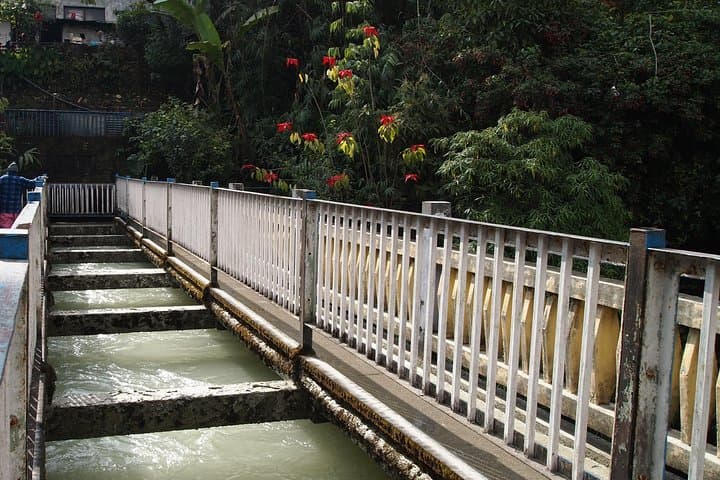
From the temple the route drops toward the town’s hidden artery, the Seti River gorge. The river dares you to peer into its narrow, milky-white throat—an active,-carved canyon running under streets and bridges. Nearby, the Gurkha Museum lays out a different landscape: uniforms, khukris and soundscapes that trace a military history reaching back to 19th-century campaigns and global deployments.
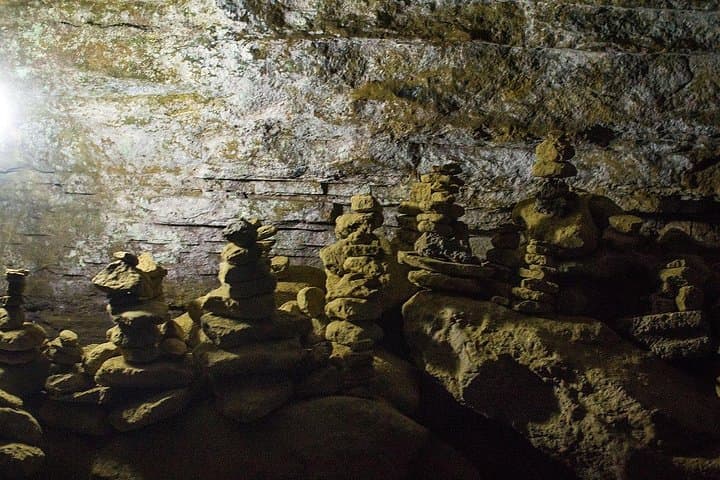
Mahendra Cave closes the loop underground. Limestone passages, dim lights and a scattering of bats give the cave an intimate, slightly raw character; a small Shiva shrine marks local devotion amid the stalactites. Geologically, the area is young Himalayan karst—limestone dissolved into caves and gorges by aggressive water and tectonic lift.
Practicalities matter: this is a half-day, low-impact circuit suitable for most travelers. Expect short stair climbs, uneven cave floors and a few viewpoints with modest elevation change. Bring modest clothing for temple visits, a headlamp for cave corners if you want better shots, and cash for small entry fees. Start in the morning or early afternoon to avoid peak heat and give guides time to move between sites. The pace is cultural and observational—best for travelers who want concentrated context about Pokhara’s natural and military heritage without a long trek.
easy.
3–4 hours.
Suitable for most fitness levels; requires walking short stair sections and negotiating uneven cave surfaces.
Yes—hotel pickup and drop-off are included for most central Lakeside hotels; extra-long transfers may incur an additional charge.
Accessibility is limited: Bindabasini has steps, Seti viewpoints have uneven terrain, and Mahendra Cave has stairs and tight passages—full wheelchair access is not available.
The tour lasts roughly 3.5 hours with typical start times around 10:30 am or 1:30 pm—confirm your preferred slot when booking.
Photography is generally allowed in public exterior areas and the cave, but flash or tripods may be restricted; follow posted rules in the Gurkha Museum and respect signage.
Bindabasini dates to the 17th century as a local Durga shrine; the Gurkha Museum documents the region’s martial history and ties to British and global service.
Karst caves and the Seti Gorge are sensitive to litter and vandalism—stick to paths, avoid touching formations and use local guides to minimize impact.
Liberty Holidays operates guided outdoor trips and adventures with an emphasis on safety, stewardship, and memorable experiences.
A low hill above Pokhara gives a clear view of the city’s pulse: taxi horns, prayer bells and the constant swing of local life. You begin at Bindabasini Temple where incense and carved stone meet a panoramic lookout; the goddess Durga watches over rooftops and Annapurna’s distant ridgeline.
A low hill above Pokhara gives a clear view of the city’s pulse: taxi horns, prayer bells and the constant swing of local life. You begin at Bindabasini Temple where incense and carved stone meet a panoramic lookout; the goddess Durga watches over rooftops and Annapurna’s distant ridgeline.
From the temple the route drops toward the town’s hidden artery, the Seti River gorge. The river dares you to peer into its narrow, milky-white throat—an active,-carved canyon running under streets and bridges. Nearby, the Gurkha Museum lays out a different landscape: uniforms, khukris and soundscapes that trace a military history reaching back to 19th-century campaigns and global deployments.
Mahendra Cave closes the loop underground. Limestone passages, dim lights and a scattering of bats give the cave an intimate, slightly raw character; a small Shiva shrine marks local devotion amid the stalactites. Geologically, the area is young Himalayan karst—limestone dissolved into caves and gorges by aggressive water and tectonic lift.
Practicalities matter: this is a half-day, low-impact circuit suitable for most travelers. Expect short stair climbs, uneven cave floors and a few viewpoints with modest elevation change. Bring modest clothing for temple visits, a headlamp for cave corners if you want better shots, and cash for small entry fees. Start in the morning or early afternoon to avoid peak heat and give guides time to move between sites. The pace is cultural and observational—best for travelers who want concentrated context about Pokhara’s natural and military heritage without a long trek.