THE ADVENTURE COLLECTIVE® · Independent discovery and booking for outdoor travel

See Pokhara’s standout sites in a single easy half-day: the churning mouth of Devi's Fall, the echoing Gupteshwor Cave, a small Tibetan refugee settlement, and the ridge-top Peace Pagoda with sweeping lake views. A compact, walkable introduction to the natural and cultural highlights of the Lakeside basin.
See Pokhara’s standout sites in a single easy half-day: the churning mouth of Devi's Fall, the echoing Gupteshwor Cave, a small Tibetan refugee settlement, and the ridge-top Peace Pagoda with sweeping lake views. A compact, walkable introduction to the natural and cultural highlights of the Lakeside basin.
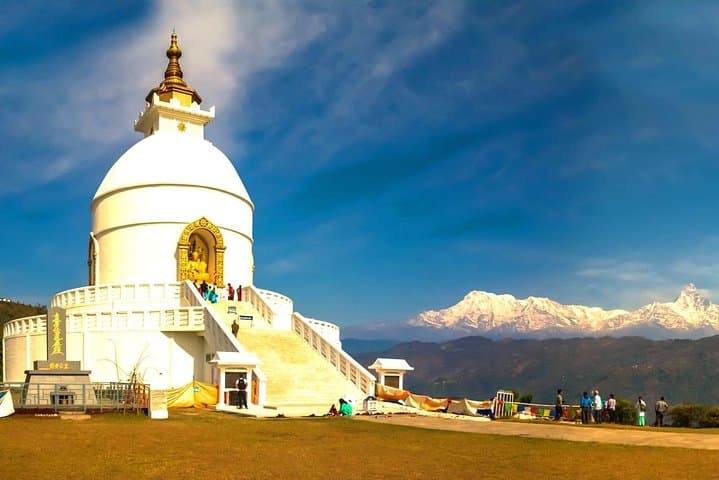
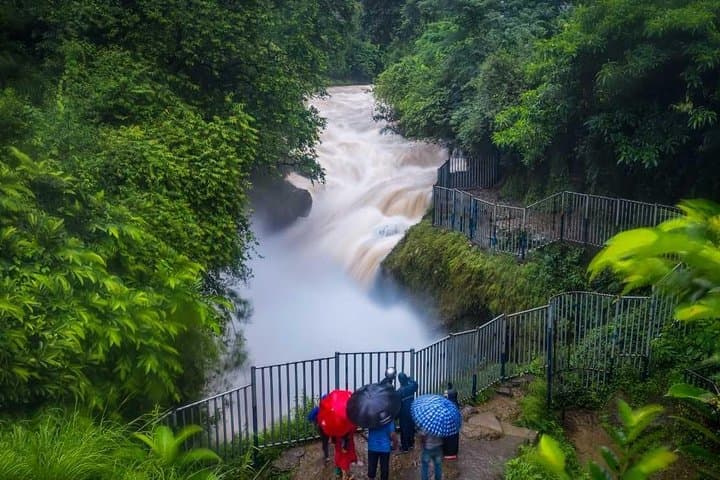
You step off the Lakeside road and the air shifts—river-spray from Devi's Fall cools your face while distant hills hold the ridge where the white Peace Pagoda perches.
Verified experiences and guided adventures in the surrounding area.
Operated by Liberty Holidays · Pokhara, Gandaki Province
You step off the Lakeside road and the air shifts—river-spray from Devi's Fall cools your face while distant hills hold the ridge where the white Peace Pagoda perches.
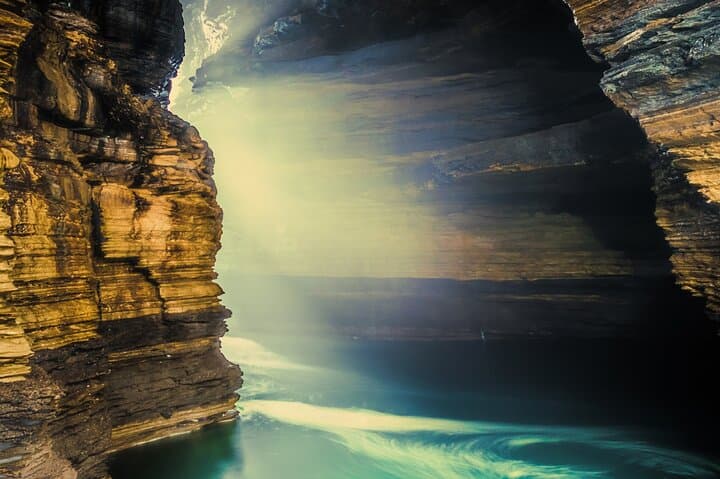
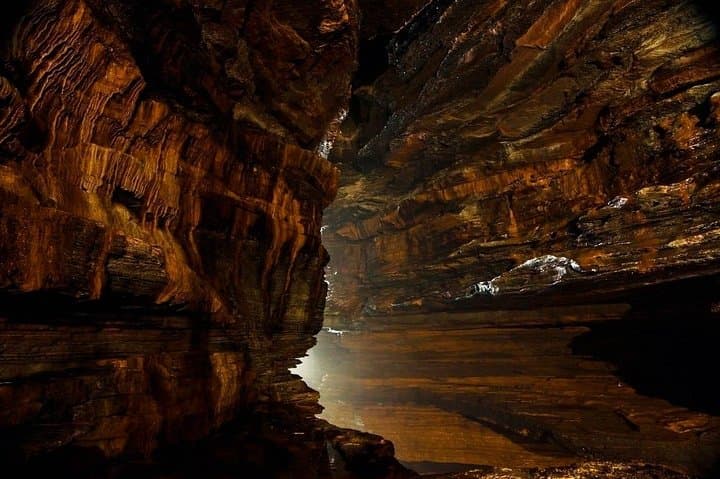
The half-day route threads rapid changes of scale: a plunge pool where riverwater vanishes into a thunderous throat at Devi's Fall; the low, damp galleries of Gupteshwor where calcite-worn corridors keep ancient echoes; a compact Tibetan refugee enclave with hand-stitched prayer flags and teahouse chatter; and finally the climb to the pagoda that returns your view to the open basin of Phewa Tal and the Annapurna rim.
Geologically the area is young—fast-flowing rivers carving limestone and exposing caves—and culturally it's a crossroads: Nepali, Gurung, and Tibetan influences meet in food, handicrafts and Buddhist practice. The Peace Pagoda itself was built by Japanese Nipponzan Myohoji monks as a visible call for harmony, while the refugee settlement speaks to modern Himalayan displacement and resilience.
Practicalities are straightforward: the full loop takes about 3–4 hours with short walks and stair climbs; expect uneven steps in the cave and at the pagoda trail. Carry water and a light rain layer in monsoon months, wear grippy shoes for slick rock around the falls, and plan an early morning or late afternoon visit to avoid crowds and harsh sun. Watch local advice about trail safety after dark and respect temple etiquette inside the pagoda and cave.
easy.
3–4 hours.
Basic fitness—comfortable with short uphill walks and stairs; suitable for most travelers.
The itinerary runs about 3.5 hours (210 minutes) including short stops at each site; departure times are typically morning or early afternoon.
This tour lists entrance fees as included, but carry small cash for incidental purchases at local stalls or additional viewpoints.
There are steep sections and stairs on the approach; the climb is short but requires steady footing—take breaks if needed.
Yes—physically easy overall, but the cave and pagoda trails involve steps and some uneven ground; not recommended for those with serious mobility or spinal issues.
The Peace Pagoda was built by Japanese Nipponzan Myohoji monks in the 1970s; Tibetan refugees settled in small camps around Pokhara following mid-20th-century displacements.
Visitors are asked to avoid littering caves and lake shores; support local guides and vendors to help sustain community-based tourism and conservation efforts.
Liberty Holidays operates guided outdoor trips and adventures with an emphasis on safety, stewardship, and memorable experiences.
You step off the Lakeside road and the air shifts—river-spray from Devi's Fall cools your face while distant hills hold the ridge where the white Peace Pagoda perches.
You step off the Lakeside road and the air shifts—river-spray from Devi's Fall cools your face while distant hills hold the ridge where the white Peace Pagoda perches.
The half-day route threads rapid changes of scale: a plunge pool where riverwater vanishes into a thunderous throat at Devi's Fall; the low, damp galleries of Gupteshwor where calcite-worn corridors keep ancient echoes; a compact Tibetan refugee enclave with hand-stitched prayer flags and teahouse chatter; and finally the climb to the pagoda that returns your view to the open basin of Phewa Tal and the Annapurna rim.
Geologically the area is young—fast-flowing rivers carving limestone and exposing caves—and culturally it's a crossroads: Nepali, Gurung, and Tibetan influences meet in food, handicrafts and Buddhist practice. The Peace Pagoda itself was built by Japanese Nipponzan Myohoji monks as a visible call for harmony, while the refugee settlement speaks to modern Himalayan displacement and resilience.
Practicalities are straightforward: the full loop takes about 3–4 hours with short walks and stair climbs; expect uneven steps in the cave and at the pagoda trail. Carry water and a light rain layer in monsoon months, wear grippy shoes for slick rock around the falls, and plan an early morning or late afternoon visit to avoid crowds and harsh sun. Watch local advice about trail safety after dark and respect temple etiquette inside the pagoda and cave.