THE ADVENTURE COLLECTIVE® · Independent discovery and booking for outdoor travel

A compact half-day tour that pairs the sanctuary’s powerful religious sites with the humble homes of the three shepherd children. Expect history, quiet plazas, and short walks between landmark chapels and modern basilicas.
A compact half-day tour that pairs the sanctuary’s powerful religious sites with the humble homes of the three shepherd children. Expect history, quiet plazas, and short walks between landmark chapels and modern basilicas.
You arrive beneath a vast, open sky and the plaza of the Sanctuary of Fátima unfolds like a public room where candles burn and voices fall into hushed cadence.
Verified experiences and guided adventures in the surrounding area.
Operated by Viajeportugal · Fátima, Santarém
You arrive beneath a vast, open sky and the plaza of the Sanctuary of Fátima unfolds like a public room where candles burn and voices fall into hushed cadence.
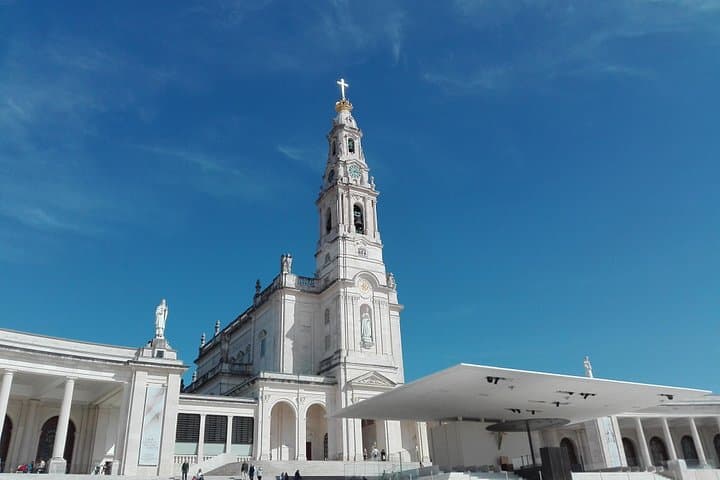
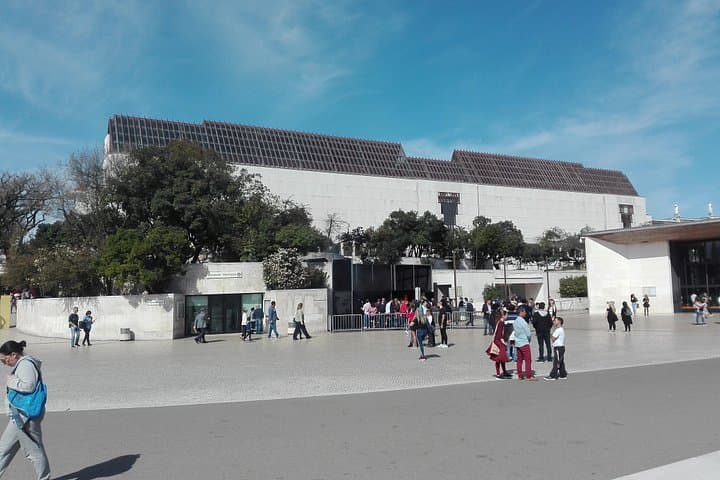
Stone paving gives way to the Capelinha das Aparições, a low white chapel that draws a steady stream of pilgrims. The 65-meter bell tower of the Basilica of Nossa Senhora do Rosário punctuates the skyline; the newer Basilica of the Most Holy Trinity offers a modern counterpoint in concrete and glass. Walking routes link the sanctuary to the small hamlet of Aljustrel and the Aldeia de Valinhos, where the three shepherd children—Lúcia, Francisco and Jacinta—lived in the years around 1917.
History here is immediate: an event in 1917 that transformed a quiet, central Portuguese plain into one of the world’s major pilgrimage sites. Geology is subtle—gentle limestone plateaus, cork and pine on the horizon—shaping low, wind-friendly vistas rather than dramatic peaks.
Expect a mix of devotional ritual and everyday village calm: candle vendors, rosary sellers and quiet corners for reflection. If a mass is scheduled, it’s worth the pause.
Practical guidance: the half-day tour runs about four hours with short walks between points; surfaces are mostly paved but uneven in places. Modest dress is required inside churches. Bring water, sun protection in summer and a light rain layer in spring and autumn. The route is suitable for most fitness levels and many stops are wheelchair accessible, though some historic houses have steps. Allow time to move slowly—the site rewards attentive pacing more than speed.
easy.
3–4 hours.
Suitable for most fitness levels; involves short, gentle walks between sites and some standing during visits
The half-day tour is about four hours and includes visits to the houses of the three shepherd children in Aljustrel, Aldeia de Valinhos, the Capelinha das Aparições, the Basilica of Nossa Senhora do Rosário and the Basilica of the Most Holy Trinity, with transport from Coimbra.
Yes—masses are held regularly at the sanctuary; if a service coincides with your visit you may be able to attend, though seating and access depend on timing and crowd levels.
Yes; the itinerary involves short, gentle walks and many parts are accessible, but note that some historic houses have steps and limited wheelchair access.
The main sanctuary sites are open to the public and this tour includes guided visits; for special events or large pilgrimages, booking in advance is recommended.
Fátima became an international pilgrimage site after reported Marian apparitions to three shepherd children in 1917; the basilicas and house-museums trace that history and its cultural impact.
The sanctuary manages visitor flow and maintains sacred spaces—respect quiet zones, avoid leaving candles or waste outside designated areas, and support local businesses to keep tourism sustainable.
Viajeportugal operates guided outdoor trips and adventures with an emphasis on safety, stewardship, and memorable experiences.
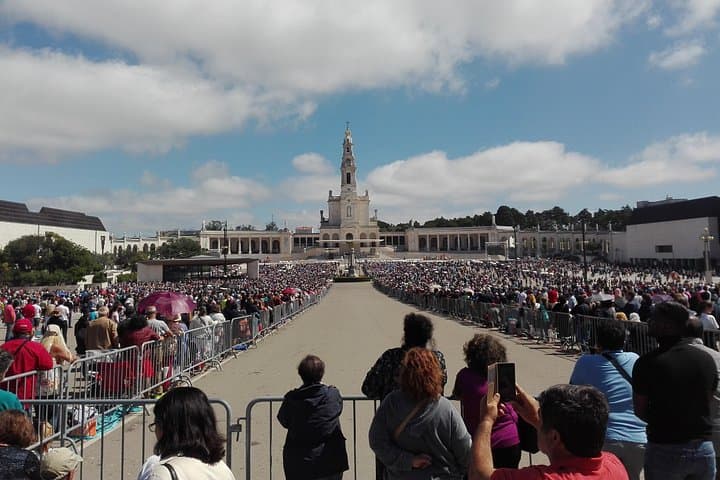
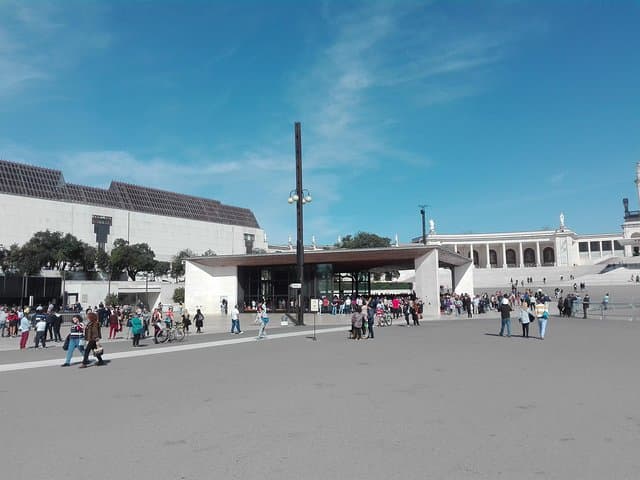
You arrive beneath a vast, open sky and the plaza of the Sanctuary of Fátima unfolds like a public room where candles burn and voices fall into hushed cadence.
You arrive beneath a vast, open sky and the plaza of the Sanctuary of Fátima unfolds like a public room where candles burn and voices fall into hushed cadence.
Stone paving gives way to the Capelinha das Aparições, a low white chapel that draws a steady stream of pilgrims. The 65-meter bell tower of the Basilica of Nossa Senhora do Rosário punctuates the skyline; the newer Basilica of the Most Holy Trinity offers a modern counterpoint in concrete and glass. Walking routes link the sanctuary to the small hamlet of Aljustrel and the Aldeia de Valinhos, where the three shepherd children—Lúcia, Francisco and Jacinta—lived in the years around 1917.
History here is immediate: an event in 1917 that transformed a quiet, central Portuguese plain into one of the world’s major pilgrimage sites. Geology is subtle—gentle limestone plateaus, cork and pine on the horizon—shaping low, wind-friendly vistas rather than dramatic peaks.
Expect a mix of devotional ritual and everyday village calm: candle vendors, rosary sellers and quiet corners for reflection. If a mass is scheduled, it’s worth the pause.
Practical guidance: the half-day tour runs about four hours with short walks between points; surfaces are mostly paved but uneven in places. Modest dress is required inside churches. Bring water, sun protection in summer and a light rain layer in spring and autumn. The route is suitable for most fitness levels and many stops are wheelchair accessible, though some historic houses have steps. Allow time to move slowly—the site rewards attentive pacing more than speed.