THE ADVENTURE COLLECTIVE® · Independent discovery and booking for outdoor travel

A steep half-day hike from downtown San José into the Escazú hills, this trail climbs to Pico Blanco (2,271 m) through montane rainforest. Expect 4–5 hours, varied terrain, local guides, and a rewarding summit view plus lunch in San Antonio.
A steep half-day hike from downtown San José into the Escazú hills, this trail climbs to Pico Blanco (2,271 m) through montane rainforest. Expect 4–5 hours, varied terrain, local guides, and a rewarding summit view plus lunch in San Antonio.
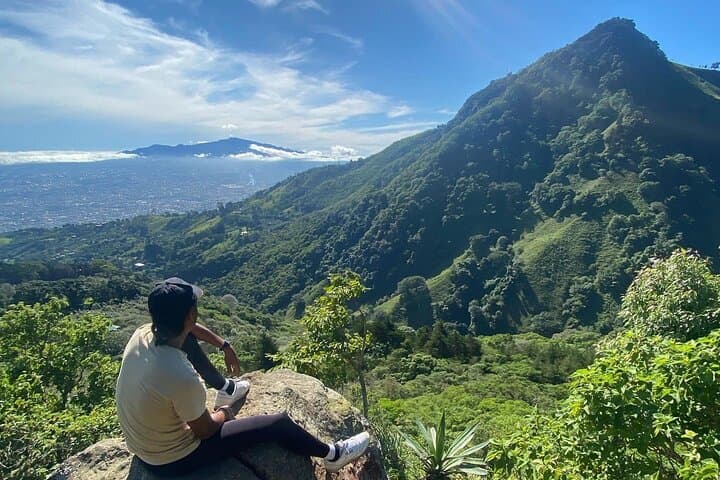
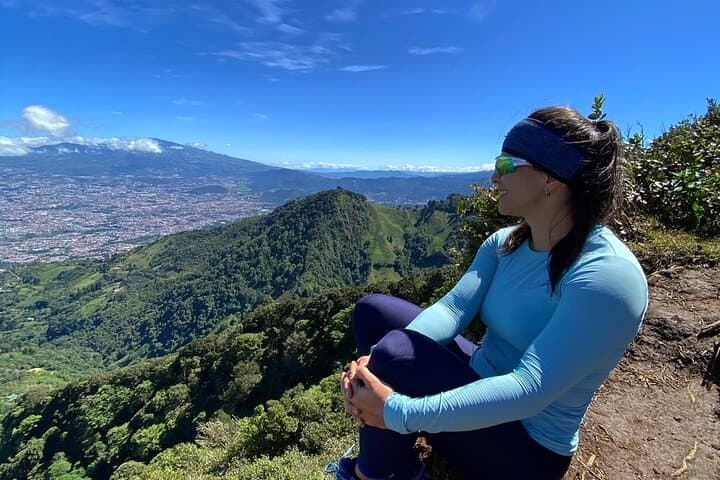
Morning light over San José slants across the saddle of the Escazú hills as you drive out of town; the city loosens its grip and the forest leans forward, daring you up narrow dirt roads. By eight you’re stepping onto a trail that threads mossy roots and occasional rock slabs toward Pico Blanco’s white-faced ridge at 2,271 m.a.s.l.
Verified experiences and guided adventures in the surrounding area.
Operated by DoTicoTours · San José, San José
Morning light over San José slants across the saddle of the Escazú hills as you drive out of town; the city loosens its grip and the forest leans forward, daring you up narrow dirt roads. By eight you’re stepping onto a trail that threads mossy roots and occasional rock slabs toward Pico Blanco’s white-faced ridge at 2,271 m.a.s.l.
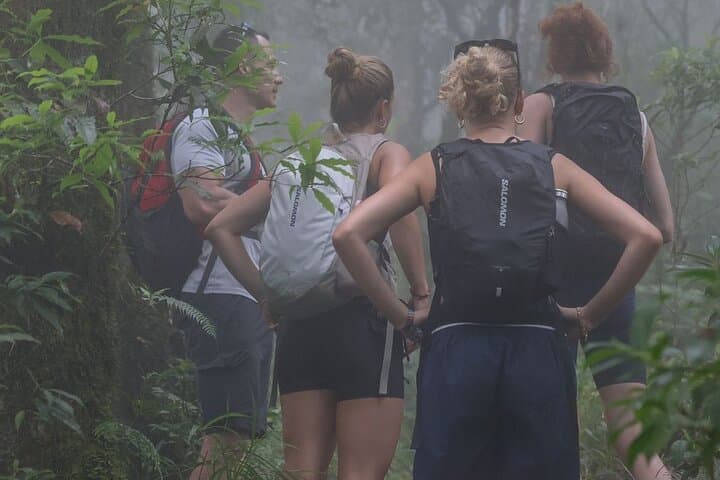
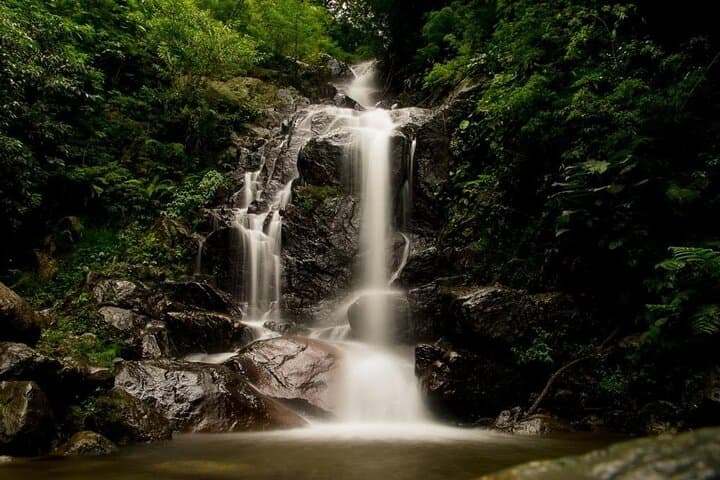
These slopes sit within the Protective Zone of Escazú and connect to the greater Cordillera de Talamanca, a geological spine of volcanic and sedimentary formations. The climb runs through lower montane rainforest — trunks slick with epiphytes, streams that sing downhill, and old footpaths used by local farmers. Culturally, the area combines San José’s urban proximity with small mountain communities like San Antonio, where coffee and hospitality anchor the post-hike lunch.
Expect 5–7 km of trail (round-trip options available), 4–5 hours on the clock, and sustained steep sections that test lungs and legs; elevation gain depends on the meeting point but reaches the 2,200 m band. Terrain alternates packed dirt roads and narrow rainforest singletrack; trekking poles are offered and welcome.
Practical notes: start early to avoid afternoon rains, wear grippy boots, bring layered clothing because temperatures can drop rapidly at the summit, and carry sun protection despite the canopy. Guides provide bottled water, snacks, coffee, and lunch, and handle hotel pickup and drop-off. The route rewards persistence with long views back to the Central Valley and a quiet summit where the wind reads your map as you eat. Leave no trace and plan for wet trail conditions during the rainy season.
challenging.
4–5 hours.
Good cardio fitness and leg strength recommended; regular hikers or active travelers will be comfortable.
The program is 4–5 hours covering about 5–7 km round-trip with sustained steep sections; it’s rated medium/high—suitable for hikers with good fitness.
Yes—hotel pickup and drop-off are provided from central San José; the meeting time is typically early morning.
Guides supply bottled water, snacks, coffee/tea, lunch at a local restaurant, and trekking poles as needed.
Trail conditions can be slippery when wet; guides may alter the route or cancel in heavy rain—bring waterproof gear and expect slower progress.
The Escazú protective zone preserves water catchments and traditional mountain land uses; trails reflect both ecological protection and community access.
Stick to established trails to prevent erosion, pack out waste, and support local guides—tourism helps fund trail maintenance and community livelihoods.
DoTicoTours operates guided outdoor trips and adventures with an emphasis on safety, stewardship, and memorable experiences.
Morning light over San José slants across the saddle of the Escazú hills as you drive out of town; the city loosens its grip and the forest leans forward, daring you up narrow dirt roads. By eight you’re stepping onto a trail that threads mossy roots and occasional rock slabs toward Pico Blanco’s white-faced ridge at 2,271 m.a.s.l.
Morning light over San José slants across the saddle of the Escazú hills as you drive out of town; the city loosens its grip and the forest leans forward, daring you up narrow dirt roads. By eight you’re stepping onto a trail that threads mossy roots and occasional rock slabs toward Pico Blanco’s white-faced ridge at 2,271 m.a.s.l.
These slopes sit within the Protective Zone of Escazú and connect to the greater Cordillera de Talamanca, a geological spine of volcanic and sedimentary formations. The climb runs through lower montane rainforest — trunks slick with epiphytes, streams that sing downhill, and old footpaths used by local farmers. Culturally, the area combines San José’s urban proximity with small mountain communities like San Antonio, where coffee and hospitality anchor the post-hike lunch.
Expect 5–7 km of trail (round-trip options available), 4–5 hours on the clock, and sustained steep sections that test lungs and legs; elevation gain depends on the meeting point but reaches the 2,200 m band. Terrain alternates packed dirt roads and narrow rainforest singletrack; trekking poles are offered and welcome.
Practical notes: start early to avoid afternoon rains, wear grippy boots, bring layered clothing because temperatures can drop rapidly at the summit, and carry sun protection despite the canopy. Guides provide bottled water, snacks, coffee, and lunch, and handle hotel pickup and drop-off. The route rewards persistence with long views back to the Central Valley and a quiet summit where the wind reads your map as you eat. Leave no trace and plan for wet trail conditions during the rainy season.