THE ADVENTURE COLLECTIVE® · Independent discovery and booking for outdoor travel

Combine modern engineering and ancient religion in one morning: visit the Aswan High Dam’s sweeping views and ride a motorboat to Philae Temple with a private Egyptologist guide. Ideal for travellers who want focused interpretation without a large group.
Combine modern engineering and ancient religion in one morning: visit the Aswan High Dam’s sweeping views and ride a motorboat to Philae Temple with a private Egyptologist guide. Ideal for travellers who want focused interpretation without a large group.
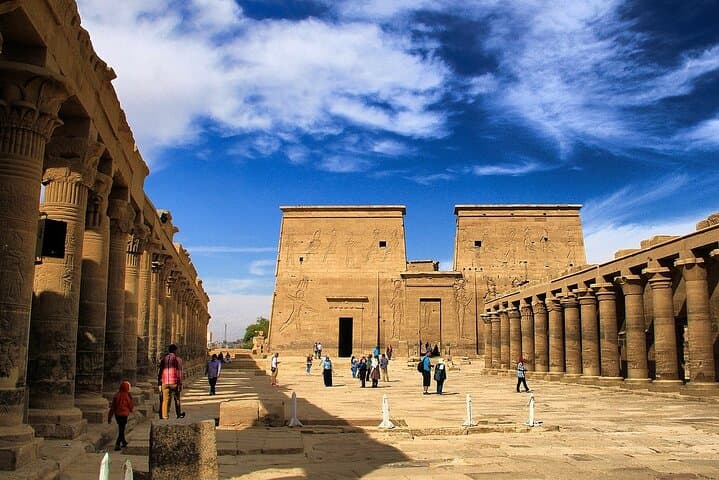
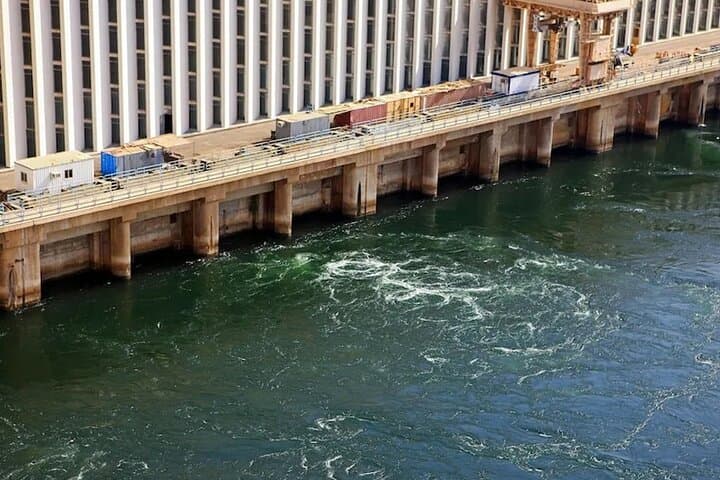
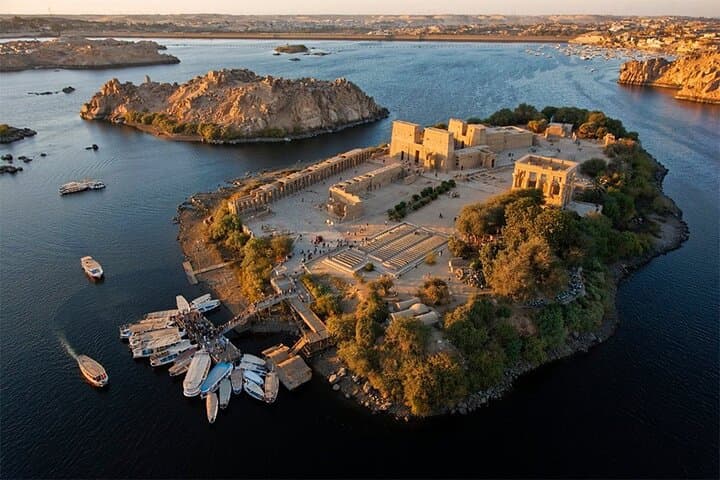
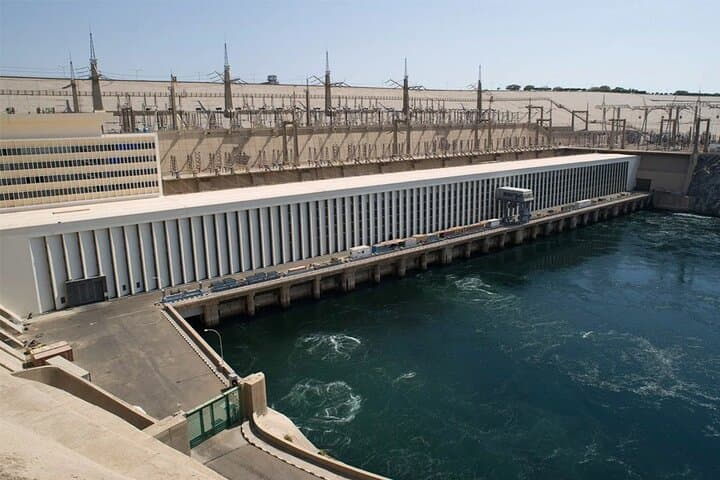
The motorboat parts the slow dark of the Nile and the island of Philae rises: columns framed against open water, sunlight cutting sharp on sandstone reliefs. In the space of a half day you move from the modern bulk of the Aswan High Dam — concrete curving across the river, turbines humming beneath — to the quieter ritual chambers of a temple once dedicated to Isis.
Verified experiences and guided adventures in the surrounding area.
Operated by Luxor Private Day Tours · Aswan, Aswan Governorate
The motorboat parts the slow dark of the Nile and the island of Philae rises: columns framed against open water, sunlight cutting sharp on sandstone reliefs. In the space of a half day you move from the modern bulk of the Aswan High Dam — concrete curving across the river, turbines humming beneath — to the quieter ritual chambers of a temple once dedicated to Isis.
Philae sits on Agilkia Island today after an international rescue in the 1960s when the original island was flooded by the dam’s reservoir. The stones themselves are Late Pharaonic and Ptolemaic; hieroglyphs and Greco-Roman additions tell a layered story of ancient worship, Nubian interaction, and modern archaeology. Geologically the Nile valley here is a meeting of granite outcrops and riverine silt, and the dam changed centuries of flood-driven agriculture into managed irrigation and hydroelectric power — a cultural and environmental pivot for Egypt.
Expect close-up interpretation from an Egyptologist guide, a short transfer from central Aswan, and a 20–30 minute motorboat crossing each way. The temple complex involves stairs, narrow courtyards and uneven stone floors; the High Dam stop is primarily viewpoint and photo-op.
Practical notes: go early or late in the day to avoid peak heat, wear sturdy shoes and sun protection, and bring water — shade is limited on Philae’s terraces. Photography is rewarding but respectful behavior around religious carvings and guided explanations preserves the site for others.
easy.
3–4 hours.
Suitable for most fitness levels; involves short walks, stairs and brief boat transfers—basic mobility recommended
Admission is typically not included in the tour price—confirm with the operator and be prepared to purchase tickets at the site.
Yes; private round-trip pick-up and return from central Aswan hotels is commonly included in this private tour.
The motorboat crossing to Agilkia Island is short—usually about 15–30 minutes depending on boarding and river conditions.
The site can accommodate infants but expect stairs and uneven surfaces; strollers may be usable on some flat sections but are not practical across all areas.
Philae’s temples were relocated to Agilkia Island during a UNESCO-led salvage project in the 1960s to protect them from submersion by the Aswan High Dam reservoir.
Visitor management and the 20th-century relocation saved many monuments; continue that effort by avoiding touching reliefs, using marked paths, and following guide instructions.
Luxor Private Day Tours operates guided outdoor trips and adventures with an emphasis on safety, stewardship, and memorable experiences.
The motorboat parts the slow dark of the Nile and the island of Philae rises: columns framed against open water, sunlight cutting sharp on sandstone reliefs. In the space of a half day you move from the modern bulk of the Aswan High Dam — concrete curving across the river, turbines humming beneath — to the quieter ritual chambers of a temple once dedicated to Isis.
The motorboat parts the slow dark of the Nile and the island of Philae rises: columns framed against open water, sunlight cutting sharp on sandstone reliefs. In the space of a half day you move from the modern bulk of the Aswan High Dam — concrete curving across the river, turbines humming beneath — to the quieter ritual chambers of a temple once dedicated to Isis.
Philae sits on Agilkia Island today after an international rescue in the 1960s when the original island was flooded by the dam’s reservoir. The stones themselves are Late Pharaonic and Ptolemaic; hieroglyphs and Greco-Roman additions tell a layered story of ancient worship, Nubian interaction, and modern archaeology. Geologically the Nile valley here is a meeting of granite outcrops and riverine silt, and the dam changed centuries of flood-driven agriculture into managed irrigation and hydroelectric power — a cultural and environmental pivot for Egypt.
Expect close-up interpretation from an Egyptologist guide, a short transfer from central Aswan, and a 20–30 minute motorboat crossing each way. The temple complex involves stairs, narrow courtyards and uneven stone floors; the High Dam stop is primarily viewpoint and photo-op.
Practical notes: go early or late in the day to avoid peak heat, wear sturdy shoes and sun protection, and bring water — shade is limited on Philae’s terraces. Photography is rewarding but respectful behavior around religious carvings and guided explanations preserves the site for others.