THE ADVENTURE COLLECTIVE® · Independent discovery and booking for outdoor travel

Step into a recreated pharaonic neighborhood where costumed interpreters demonstrate ancient crafts and everyday life. This 4–5 hour half‑day tour from Cairo combines guided interpretation, entrance fees and hotel pickup for a compact, accessible introduction to Egypt’s riverine civilization.
Step into a recreated pharaonic neighborhood where costumed interpreters demonstrate ancient crafts and everyday life. This 4–5 hour half‑day tour from Cairo combines guided interpretation, entrance fees and hotel pickup for a compact, accessible introduction to Egypt’s riverine civilization.
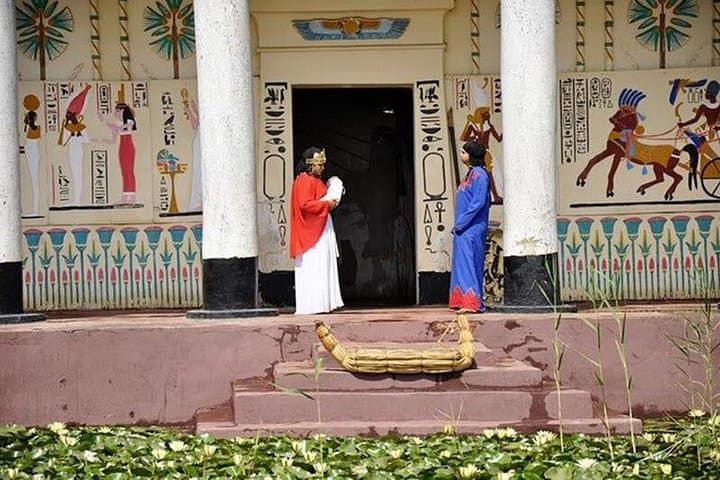
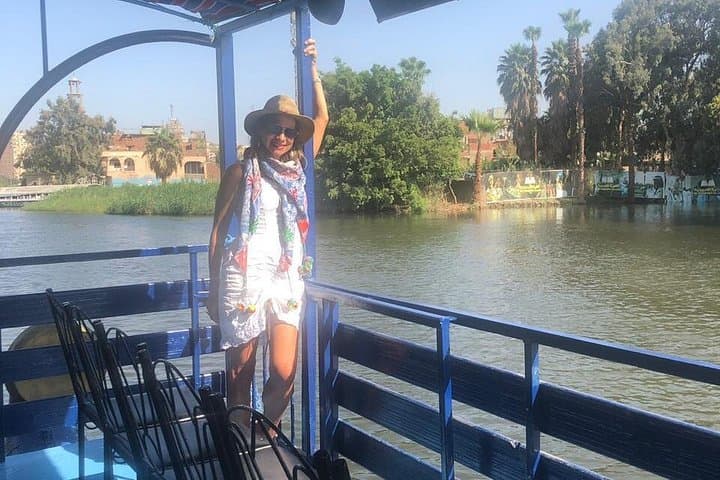
You step from an air‑conditioned vehicle onto a sandy lane and the city’s noise folds behind you; a reconstructed Nile bank and mud-brick houses spread before you, actors moving through scenes of daily life as if the river itself insisted you watch.
Verified experiences and guided adventures in the surrounding area.
Operated by Visitors Egypt Tours · Cairo, Cairo Governorate
You step from an air‑conditioned vehicle onto a sandy lane and the city’s noise folds behind you; a reconstructed Nile bank and mud-brick houses spread before you, actors moving through scenes of daily life as if the river itself insisted you watch.
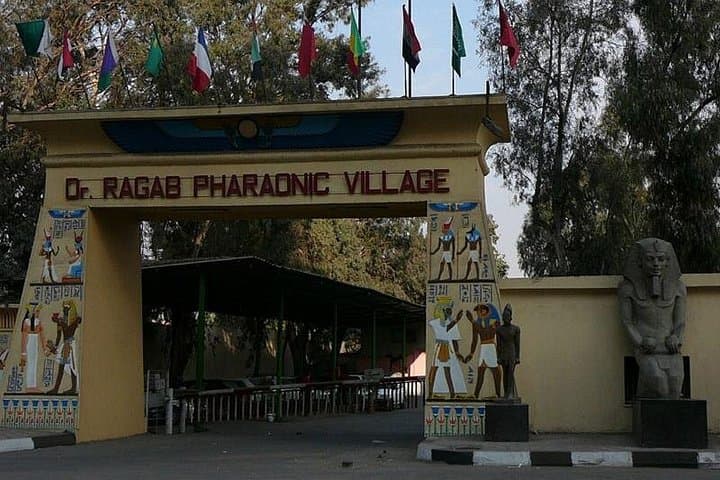
The Pharaonic Village, sited a few miles south of central Cairo, was created in the late 20th century as a living-history exhibit that recreates Old Kingdom through New Kingdom settings. The site interprets ancient crafts, ritual and domestic routines rather than original ruins; geology here is the Nile’s story — silt, mud-brick architecture, and the irrigation logic that made civilization possible.
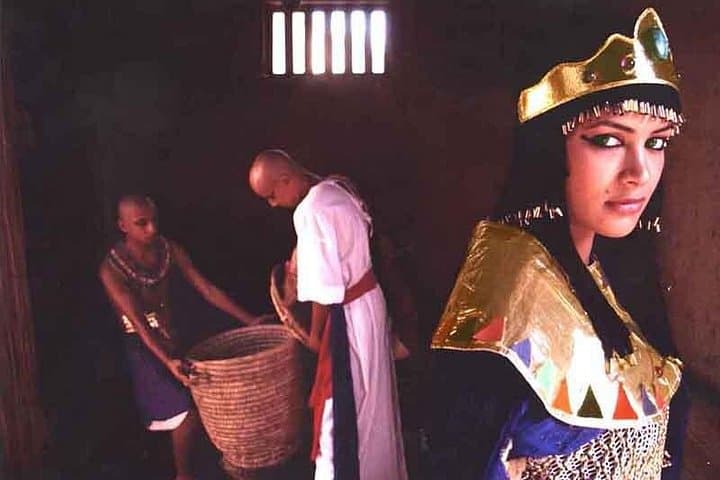
Expect costumed historians demonstrating pottery, boatbuilding and food preparation, with replicas of funerary art and a scaled model of a pharaonic temple. Guides cast the characters in a social and economic context: agriculture tied to the river’s rise, workshops supplying elite tombs, and the administrative systems that recorded grain and labor.
Practical notes: the half-day run is about 4–5 hours including pickup and return to most central Cairo hotels. Paths are flat but sandy; the site is largely accessible for wheelchairs with staff assistance. Summer heat is the clearest factor — morning starts avoid peak sun and are best for photography and walking. Bring sun protection, thin layers for air-conditioned transfer vehicles, and small change for tips and local snacks. The tour includes entrance fees, an Egyptologist guide and bottled water; confirm pickup point and language in advance.
This visit is a compact, interpretive window into pharaonic lifeways — more theatrical reconstruction than excavation, but valuable for anyone wanting a hands-on sense of ancient Egyptian daily rhythms.
easy.
4–5 hours.
Suitable for most fitness levels; involves short walks on flat, sandy surfaces
Yes — the tour’s inclusions list an Egyptologist guide and main entrance fees as part of the booking.
Yes — pickup from central Cairo hotels by air‑conditioned private vehicle is included; confirm pickup point when booking.
The Pharaonic Village is generally accessible with flat paths and staff assistance mentioned in the tour details, but some recreated structures may have steps.
The overall tour is 4–5 hours including transit; the on-site experience typically runs 2–3 hours of guided exploration and demonstrations.
The Pharaonic Village was developed in the late 20th century as an interpretive living‑history site that reconstructs pharaonic daily life rather than presenting archaeological ruins.
Visitors should avoid touching fragile reconstructions and follow staff guidance; the site emphasizes educational outreach while minimizing wear on hands‑on displays.
Visitors Egypt Tours operates guided outdoor trips and adventures with an emphasis on safety, stewardship, and memorable experiences.
You step from an air‑conditioned vehicle onto a sandy lane and the city’s noise folds behind you; a reconstructed Nile bank and mud-brick houses spread before you, actors moving through scenes of daily life as if the river itself insisted you watch.
You step from an air‑conditioned vehicle onto a sandy lane and the city’s noise folds behind you; a reconstructed Nile bank and mud-brick houses spread before you, actors moving through scenes of daily life as if the river itself insisted you watch.
The Pharaonic Village, sited a few miles south of central Cairo, was created in the late 20th century as a living-history exhibit that recreates Old Kingdom through New Kingdom settings. The site interprets ancient crafts, ritual and domestic routines rather than original ruins; geology here is the Nile’s story — silt, mud-brick architecture, and the irrigation logic that made civilization possible.
Expect costumed historians demonstrating pottery, boatbuilding and food preparation, with replicas of funerary art and a scaled model of a pharaonic temple. Guides cast the characters in a social and economic context: agriculture tied to the river’s rise, workshops supplying elite tombs, and the administrative systems that recorded grain and labor.
Practical notes: the half-day run is about 4–5 hours including pickup and return to most central Cairo hotels. Paths are flat but sandy; the site is largely accessible for wheelchairs with staff assistance. Summer heat is the clearest factor — morning starts avoid peak sun and are best for photography and walking. Bring sun protection, thin layers for air-conditioned transfer vehicles, and small change for tips and local snacks. The tour includes entrance fees, an Egyptologist guide and bottled water; confirm pickup point and language in advance.
This visit is a compact, interpretive window into pharaonic lifeways — more theatrical reconstruction than excavation, but valuable for anyone wanting a hands-on sense of ancient Egyptian daily rhythms.