THE ADVENTURE COLLECTIVE® · Independent discovery and booking for outdoor travel

Spend a half day outside Lima walking ancient ramps and low adobe pyramids at Pachacamac. This guided tour pairs a focused archaeological visit with the site museum and easy hotel pickup—ideal for history-minded travelers short on time.
Spend a half day outside Lima walking ancient ramps and low adobe pyramids at Pachacamac. This guided tour pairs a focused archaeological visit with the site museum and easy hotel pickup—ideal for history-minded travelers short on time.
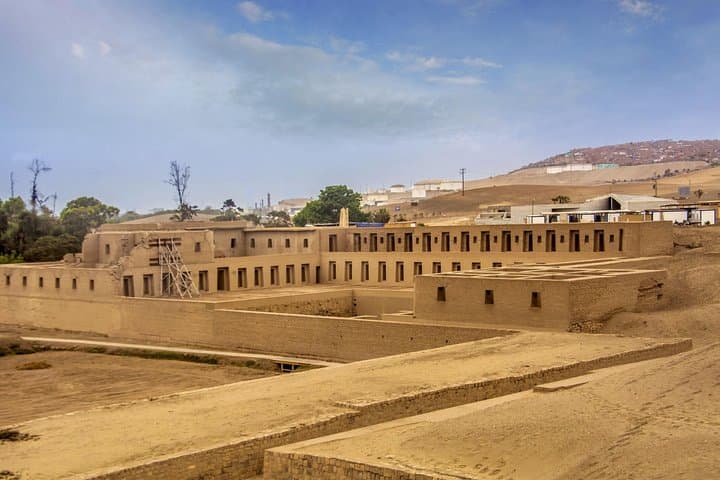
You step out of the van and the ocean wind first registers—salty, warm, insisting that the city stay behind you. The adobe mounds of Pachacamac sit low on the coastal plain, their weathered faces catching late-morning light like pages turned by a careful reader. Guides gesture toward ramps and plazas: names that feel both precise and mythic—Temple of the Sun, Acllahuasi, the Old Temple—each one layered with centuries of devotion.
Verified experiences and guided adventures in the surrounding area.
Operated by Lima Vip Tours · Pachacamac, Lima
You step out of the van and the ocean wind first registers—salty, warm, insisting that the city stay behind you. The adobe mounds of Pachacamac sit low on the coastal plain, their weathered faces catching late-morning light like pages turned by a careful reader. Guides gesture toward ramps and plazas: names that feel both precise and mythic—Temple of the Sun, Acllahuasi, the Old Temple—each one layered with centuries of devotion.
Pachacamac is not a single civilization but a crossroads. Long before the Incas claimed the valley, the Lima, Ichma and later the Wari cultures built and rebuilt here, attracted by a coastal spring and a reputation for prophecy. Geologically, the site rests on alluvial terraces where desert sands meet Pacific humidity; the adobe bricks record their exposure in cracks and patina. Cultural traces are visible in pottery shards cooling on low walls and the museum’s glass cases where textiles and ceremonial objects keep their silence.
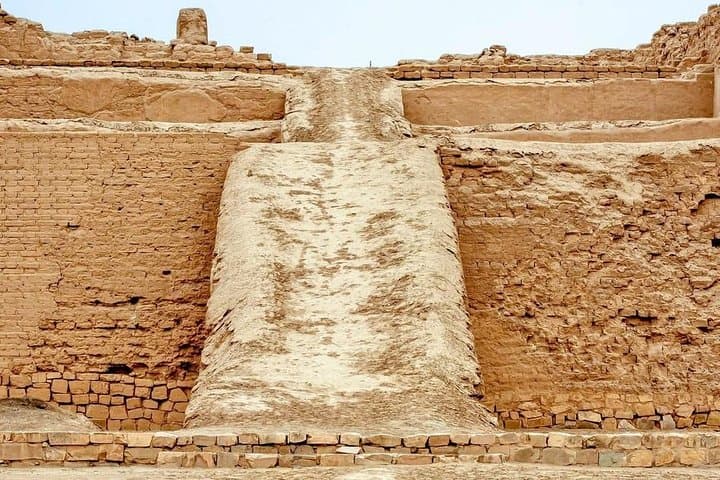
Walking the site feels like a negotiation with time: pyramids that once rose higher now slope into terraces, while ramp systems funnel focus toward the same horizon worshippers watched for centuries. The local town of Pachacamac still sells woven goods and roasted corn near the main entrance; vendors and guides fuse contemporary life with ancient practice. Barranco’s bohemian streets and the Bridge of Sighs are often folded into this half-day loop—an urban prelude and a coastal epilogue that make the trip feel whole.
Practicalities matter here: the tour runs about four hours, including pickup from hotels in Lima and an 80-minute guided exploration of the complex plus the archaeological museum. The museum is small but focused—look for the carved idol image and carefully mended ceramics that narrate ritual life. Bring sun protection and a bottle: shade is rare and the desert sun is direct. Paths are firm but uneven; the climb up ramps is gentle but persistent, so comfortable shoes make a big difference.
Timing is everything. Morning light softens the adobe and keeps crowds thin; late afternoon slants warmth across the low walls and makes for stronger photos. Respect site rules: stay on marked trails, don’t climb fragile structures, and buy local crafts if you want a direct way to support the community. For travelers short on time in Lima, this half-day tour compresses history, landscape and culture into a single, accessible loop—an efficient window into Peru’s coastal past that still speaks when you listen closely.
easy.
4 hours.
Light fitness—able to walk on uneven ground for up to 90 minutes with short climbs.
Yes—the tour includes site tickets and entrance to the onsite museum as listed in the inclusions.
Yes—hotel pickup in Lima is provided; confirm your pickup point when you book and expect the driver 25 minutes before departure.
The tour notes wheelchair accessibility for some areas, but many paths and ramps are uneven; contact the operator to confirm specific accessibility needs.
The guided exploration at the archaeological site is about 80 minutes, plus time in the museum and travel to and from Lima.
Yes—local vendors near the entrance sell textiles and crafts; purchasing from them supports the community but avoid buying antiquities.
Photography is generally allowed on the site; museum rules vary—follow posted signs and the guide’s instructions regarding flash or restricted areas.
Pachacamac served as a major oracle and pilgrimage center for coastal cultures long before Inca integration; the complex accrued layers of construction across successive societies.
Adobe structures are vulnerable to erosion and foot traffic—staying on trails and obeying signage helps protect fragile architecture and ongoing conservation work.
Lima Vip Tours operates guided outdoor trips and adventures with an emphasis on safety, stewardship, and memorable experiences.
You step out of the van and the ocean wind first registers—salty, warm, insisting that the city stay behind you. The adobe mounds of Pachacamac sit low on the coastal plain, their weathered faces catching late-morning light like pages turned by a careful reader. Guides gesture toward ramps and plazas: names that feel both precise and mythic—Temple of the Sun, Acllahuasi, the Old Temple—each one layered with centuries of devotion.
You step out of the van and the ocean wind first registers—salty, warm, insisting that the city stay behind you. The adobe mounds of Pachacamac sit low on the coastal plain, their weathered faces catching late-morning light like pages turned by a careful reader. Guides gesture toward ramps and plazas: names that feel both precise and mythic—Temple of the Sun, Acllahuasi, the Old Temple—each one layered with centuries of devotion.
Pachacamac is not a single civilization but a crossroads. Long before the Incas claimed the valley, the Lima, Ichma and later the Wari cultures built and rebuilt here, attracted by a coastal spring and a reputation for prophecy. Geologically, the site rests on alluvial terraces where desert sands meet Pacific humidity; the adobe bricks record their exposure in cracks and patina. Cultural traces are visible in pottery shards cooling on low walls and the museum’s glass cases where textiles and ceremonial objects keep their silence.
Walking the site feels like a negotiation with time: pyramids that once rose higher now slope into terraces, while ramp systems funnel focus toward the same horizon worshippers watched for centuries. The local town of Pachacamac still sells woven goods and roasted corn near the main entrance; vendors and guides fuse contemporary life with ancient practice. Barranco’s bohemian streets and the Bridge of Sighs are often folded into this half-day loop—an urban prelude and a coastal epilogue that make the trip feel whole.
Practicalities matter here: the tour runs about four hours, including pickup from hotels in Lima and an 80-minute guided exploration of the complex plus the archaeological museum. The museum is small but focused—look for the carved idol image and carefully mended ceramics that narrate ritual life. Bring sun protection and a bottle: shade is rare and the desert sun is direct. Paths are firm but uneven; the climb up ramps is gentle but persistent, so comfortable shoes make a big difference.
Timing is everything. Morning light softens the adobe and keeps crowds thin; late afternoon slants warmth across the low walls and makes for stronger photos. Respect site rules: stay on marked trails, don’t climb fragile structures, and buy local crafts if you want a direct way to support the community. For travelers short on time in Lima, this half-day tour compresses history, landscape and culture into a single, accessible loop—an efficient window into Peru’s coastal past that still speaks when you listen closely.