THE ADVENTURE COLLECTIVE® · Independent discovery and booking for outdoor travel

Escape Marrakech for a half-day drive into the Ourika Valley: riverside walks, panoramic pullouts and a visit to an argan women's cooperative. This concise outing mixes easy walks with cultural stops and optional short hikes to cascades.
Escape Marrakech for a half-day drive into the Ourika Valley: riverside walks, panoramic pullouts and a visit to an argan women's cooperative. This concise outing mixes easy walks with cultural stops and optional short hikes to cascades.
You leave Marrakech behind in an air-conditioned van and the city’s heat sloughs off as the road climbs toward the Atlas foothills. The Ourika River calls you forward — a clear thread cutting through olive terraces and low stone villages — and by the first panoramic pullout the valley opens: layered ridgelines, terraced fields, and the glint of water where the river narrows.
Verified experiences and guided adventures in the surrounding area.
Operated by Marrakesh Indeed · Ourika, Marrakesh-Safi
You leave Marrakech behind in an air-conditioned van and the city’s heat sloughs off as the road climbs toward the Atlas foothills. The Ourika River calls you forward — a clear thread cutting through olive terraces and low stone villages — and by the first panoramic pullout the valley opens: layered ridgelines, terraced fields, and the glint of water where the river narrows.
Geology here is blunt and readable: folded schist and limestone shaped by seasonal flows that have carved shallow gorges and small cascades. The valley has long been a summer refuge for Marrakech residents and a living landscape for Amazigh (Berber) communities; you’ll see low houses, mule tracks, and argan trees whose oil has both culinary and cosmetic value. A stop at a women’s argan cooperative introduces local craft and tea culture — expect strong mint tea and dense flatbread served riverside.
Practically, the drive is about 30 km northwest of Marrakech and the outing fits neatly into a half-day (pick-up ~8:30, return around 1:00). On foot, most visitors walk easy riverbank trails and village lanes (0–2 km flat), while optional hikes to small cascades are steeper, rocky and short (1–3 km round-trip, roughly 150–300 m of gain). Terrain can be uneven; sensible footwear matters.
Timing is key: mornings are cooler and less crowded, and early light makes the river and terraces photogenic. Bring water, sunscreen, small change for cooperative purchases, and a light layer for wind on exposed viewpoints.
moderate.
4–5 hours.
Suitable for most travelers with light to moderate fitness; optional short hikes require steady footing and basic stamina.
Expect roughly 30–45 minutes by van or 4x4 each way depending on traffic and stops along the road.
The main waterfall approaches are short but steep and rocky; they present uneven footing rather than technical climbing, so good shoes and caution are enough for most people.
Typical inclusions are pickup/transport, bottled water, a light breakfast or tea, and a visit to an argan cooperative; check the operator for exact details before booking.
Yes — cooperatives sell locally produced argan oil and cosmetics; bring cash, and expect to be offered a tasting and demonstration.
The Ourika Valley has served for centuries as an agricultural corridor and summer retreat for Marrakech residents, with Amazigh communities maintaining terraced farming and traditional craft practices like argan oil production.
Argan ecosystems are fragile; support women's cooperatives that use sustainable harvest practices and avoid buying uncertified souvenirs that may come from over-harvested trees.
Marrakesh Indeed operates guided outdoor trips and adventures with an emphasis on safety, stewardship, and memorable experiences.


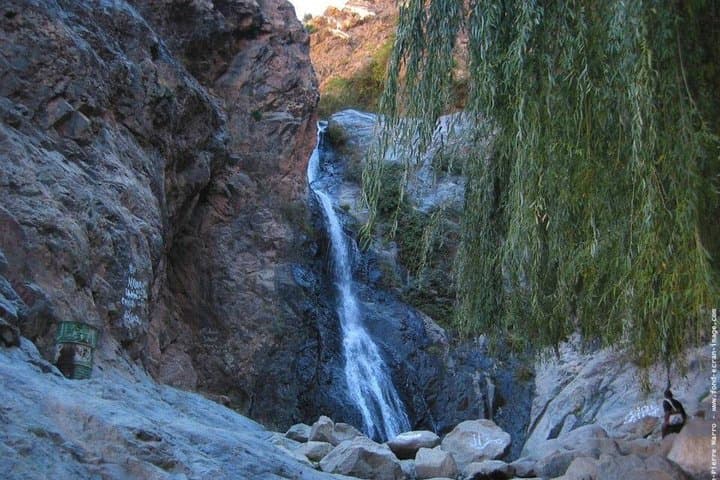

You leave Marrakech behind in an air-conditioned van and the city’s heat sloughs off as the road climbs toward the Atlas foothills. The Ourika River calls you forward — a clear thread cutting through olive terraces and low stone villages — and by the first panoramic pullout the valley opens: layered ridgelines, terraced fields, and the glint of water where the river narrows.
You leave Marrakech behind in an air-conditioned van and the city’s heat sloughs off as the road climbs toward the Atlas foothills. The Ourika River calls you forward — a clear thread cutting through olive terraces and low stone villages — and by the first panoramic pullout the valley opens: layered ridgelines, terraced fields, and the glint of water where the river narrows.
Geology here is blunt and readable: folded schist and limestone shaped by seasonal flows that have carved shallow gorges and small cascades. The valley has long been a summer refuge for Marrakech residents and a living landscape for Amazigh (Berber) communities; you’ll see low houses, mule tracks, and argan trees whose oil has both culinary and cosmetic value. A stop at a women’s argan cooperative introduces local craft and tea culture — expect strong mint tea and dense flatbread served riverside.
Practically, the drive is about 30 km northwest of Marrakech and the outing fits neatly into a half-day (pick-up ~8:30, return around 1:00). On foot, most visitors walk easy riverbank trails and village lanes (0–2 km flat), while optional hikes to small cascades are steeper, rocky and short (1–3 km round-trip, roughly 150–300 m of gain). Terrain can be uneven; sensible footwear matters.
Timing is key: mornings are cooler and less crowded, and early light makes the river and terraces photogenic. Bring water, sunscreen, small change for cooperative purchases, and a light layer for wind on exposed viewpoints.