THE ADVENTURE COLLECTIVE® · Independent discovery and booking for outdoor travel

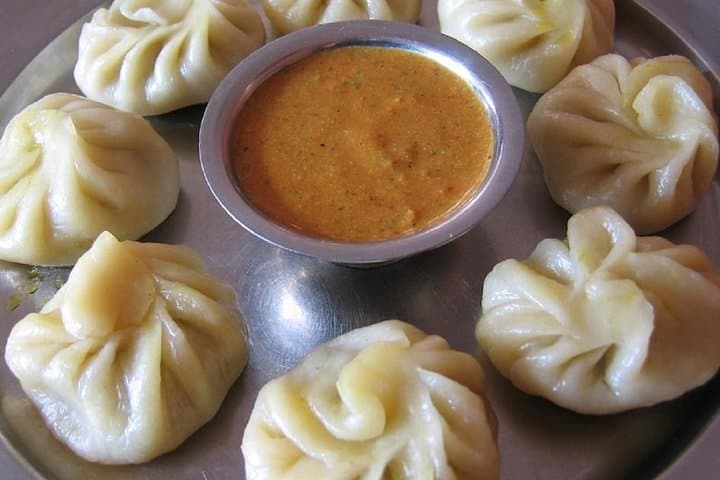
Learn Nepali home cooking in a hands-on half-day class in Thamel. Enjoy a short market stroll, rickshaw pickup, and a practical lesson in dal, curries, and pickles led by an English-speaking local cook.
Learn Nepali home cooking in a hands-on half-day class in Thamel. Enjoy a short market stroll, rickshaw pickup, and a practical lesson in dal, curries, and pickles led by an English-speaking local cook.
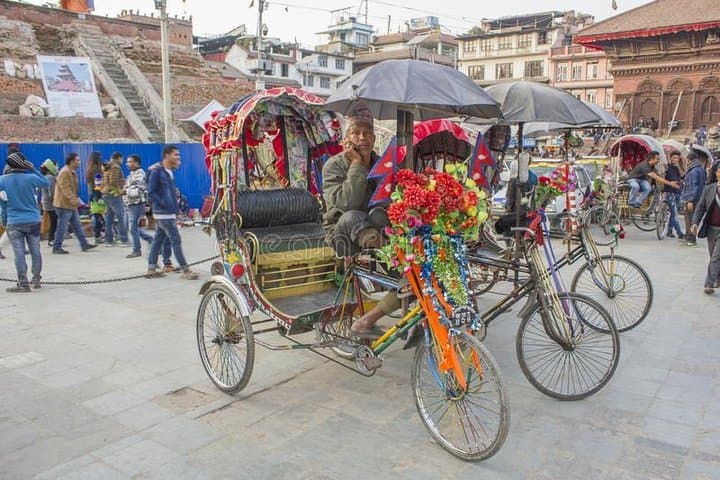
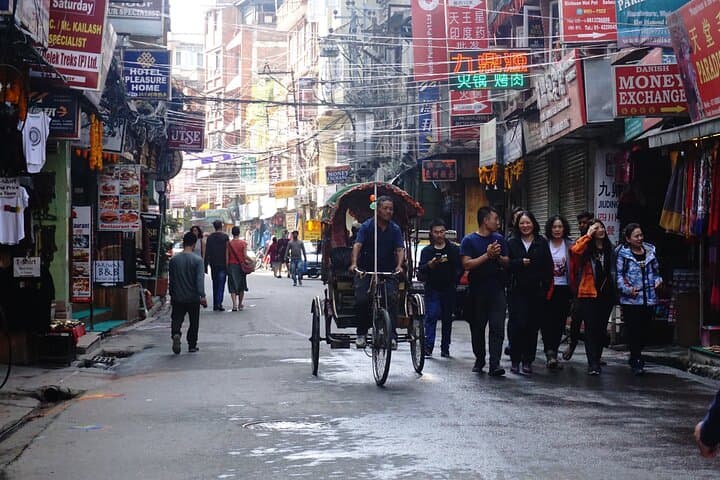
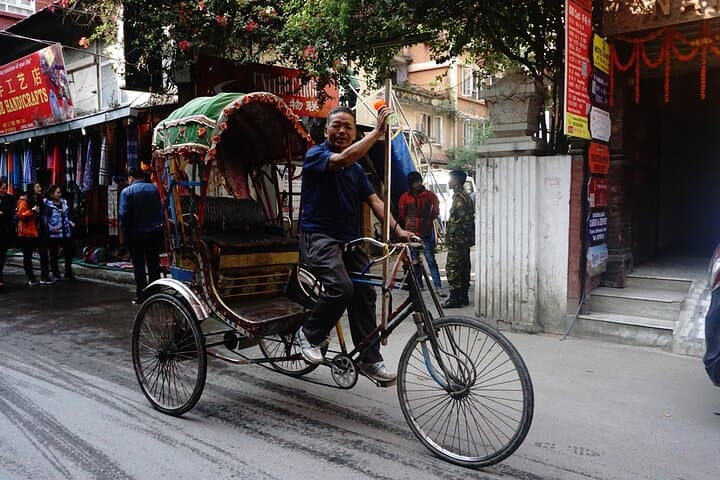
You step off a rattling rickshaw and into Thamel’s narrow lanes where spice stalls and chai steam elbow for space with camera shops. The class begins in a compact kitchen above street level, sunlight falling across mortar and pestle, while the city’s pulse thumps up through wooden floorboards.
Verified experiences and guided adventures in the surrounding area.
Operated by Himalayan Recreation Treks & Expedition Pvt.Ltd · Kathmandu, Bagmati Province
You step off a rattling rickshaw and into Thamel’s narrow lanes where spice stalls and chai steam elbow for space with camera shops. The class begins in a compact kitchen above street level, sunlight falling across mortar and pestle, while the city’s pulse thumps up through wooden floorboards.
Kathmandu sits in a bowl carved by rivers and uplifted by the Himalaya; food here reflects that junction of hill-farm produce and valley trade. The teacher—an English-speaking Nepali cook—walks you through dishes that grew from Newari courtyards and roadside vendors: lentil dal tempered with ghee, achar (pickle) brightened with citrus, and smoky vegetable curries that manage heat without drowning flavor. The itinerary often includes a short guided stroll through Thamel, Asan market, and a glimpse toward Kathmandu Durbar Square, placing recipes in local context.
Practice is hands-on: chopping, tempering spices, and watching rice take its final steam. Expect a practical primer on spice balance, food safety in a busy city kitchen, and how to adjust recipes for Western kitchens. Conversation veers between cooking technique and cultural notes—festival food, market rhythms, and communal eating.
Practicalities: the four-hour experience includes rickshaw pickup in Thamel, tea, and lunch of the dishes you prepare. Bring appetite, note dietary restrictions in advance, carry small-change for markets, and wear comfortable shoes for the short street walk. The class is accessible to beginners but rewards curiosity and a willingness to get hands-on.
easy.
4 hours.
Suitable for all fitness levels; involves standing, light chopping, and brief walking on uneven city pavements.
Yes—pickup by rickshaw within Thamel is included and the operator will confirm a meeting point in advance.
Yes—inform the operator when booking and the instructor will adjust recipes for common allergies and vegetarian diets.
Yes—infants can sit in laps and older children who can safely use basic kitchen tools can participate; confirm at booking.
You’ll learn to prepare several Nepali dishes (dal, curry, achar), basic spice tempering techniques, and food-safety practices for a busy kitchen.
Thamel grew as Kathmandu’s tourism hub in the 1960s and became a crossroads for merchants, pilgrims, and travelers; its food culture reflects hill-farm traditions and trade routes.
Support local vendors by buying small amounts of spices and reusable goods; limit single-use plastics and follow guidance on safe food handling.
Himalayan Recreation Treks & Expedition Pvt.Ltd operates guided outdoor trips and adventures with an emphasis on safety, stewardship, and memorable experiences.
You step off a rattling rickshaw and into Thamel’s narrow lanes where spice stalls and chai steam elbow for space with camera shops. The class begins in a compact kitchen above street level, sunlight falling across mortar and pestle, while the city’s pulse thumps up through wooden floorboards.
You step off a rattling rickshaw and into Thamel’s narrow lanes where spice stalls and chai steam elbow for space with camera shops. The class begins in a compact kitchen above street level, sunlight falling across mortar and pestle, while the city’s pulse thumps up through wooden floorboards.
Kathmandu sits in a bowl carved by rivers and uplifted by the Himalaya; food here reflects that junction of hill-farm produce and valley trade. The teacher—an English-speaking Nepali cook—walks you through dishes that grew from Newari courtyards and roadside vendors: lentil dal tempered with ghee, achar (pickle) brightened with citrus, and smoky vegetable curries that manage heat without drowning flavor. The itinerary often includes a short guided stroll through Thamel, Asan market, and a glimpse toward Kathmandu Durbar Square, placing recipes in local context.
Practice is hands-on: chopping, tempering spices, and watching rice take its final steam. Expect a practical primer on spice balance, food safety in a busy city kitchen, and how to adjust recipes for Western kitchens. Conversation veers between cooking technique and cultural notes—festival food, market rhythms, and communal eating.
Practicalities: the four-hour experience includes rickshaw pickup in Thamel, tea, and lunch of the dishes you prepare. Bring appetite, note dietary restrictions in advance, carry small-change for markets, and wear comfortable shoes for the short street walk. The class is accessible to beginners but rewards curiosity and a willingness to get hands-on.