THE ADVENTURE COLLECTIVE® · Independent discovery and booking for outdoor travel

Charge down Class III–IV rapids on the Naranjo River in a half-day rafting trip from Manuel Antonio. Expect jungle gorges, farmland views, guide-led safety, and a riverside lunch.
Charge down Class III–IV rapids on the Naranjo River in a half-day rafting trip from Manuel Antonio. Expect jungle gorges, farmland views, guide-led safety, and a riverside lunch.
A first spray of river water cools the face as the raft drops into the current, jungle walls closing in and palm farms sliding past the banks. The Naranjo River runs quick here—steep, chop-filled stretches demand attention and the guide’s voice through the roar becomes the group’s steadying rhythm.
Verified experiences and guided adventures in the surrounding area.
Operated by Tucanes Tours · Quepos, Puntarenas
A first spray of river water cools the face as the raft drops into the current, jungle walls closing in and palm farms sliding past the banks. The Naranjo River runs quick here—steep, chop-filled stretches demand attention and the guide’s voice through the roar becomes the group’s steadying rhythm.
The river corridor slices through the Central Pacific foothills of Puntarenas, where volcanic soils feed dense rainforest and productive plantations. Historically, this coastal strip grew around small agricultural settlements and fishing villages; today river trips thread both wild gorge and cultivated edge, offering glimpses of local life alongside toucans and howler monkeys.
Geologically the Naranjo’s channel has carved through young volcanic and alluvial deposits, producing tight bends and pocketed boulders that create the Class III–IV features rafter’s relish—waves, holes and technical maneuvers rather than long continuous drops.
Expect a practical, half-day itinerary: pickup in Quepos or Manuel Antonio, transport to the put-in, about 2–3 hours on the water depending on flows, then a riverside lunch and return. Guides in kayaks shadow rafts for safety; boats fit up to six paddlers, so teamwork is part of the ride.
Bring a sense of adventure and sensible preparation: rubber-soled shoes that stay on, sun protection, and a swimsuit under quick-dry clothing. If rain arrives, the river becomes livelier—listen to guides about changing conditions and follow their safety briefing closely. This is a hands-on, splash-forward way to experience Costa Rica’s wild coastal foothills.
challenging.
5 hours (including transfer and lunch).
Moderate fitness; able to climb in/out of the raft, paddle on command, and handle short swims if required.
No prior experience is required; guides provide instruction and lead all maneuvers, but comfort in water and following commands is necessary.
Minimum age is 10 years; bookings require at least two people and rafts carry up to six participants.
Pickup is provided from hotels in Quepos and Manuel Antonio at scheduled times—confirm your pickup point during booking.
Trips usually run in light rain; guides will assess river conditions and postpone or cancel if safety is compromised—check cancellation policy for refund terms.
The region developed from agricultural settlements and coastal trade; rivers like the Naranjo historically linked inland farms to Quepos’ ports.
Operators typically follow river corridor practices to minimize erosion and litter; avoid single-use plastics and respect wildlife viewing distances.
Tucanes Tours operates guided outdoor trips and adventures with an emphasis on safety, stewardship, and memorable experiences.
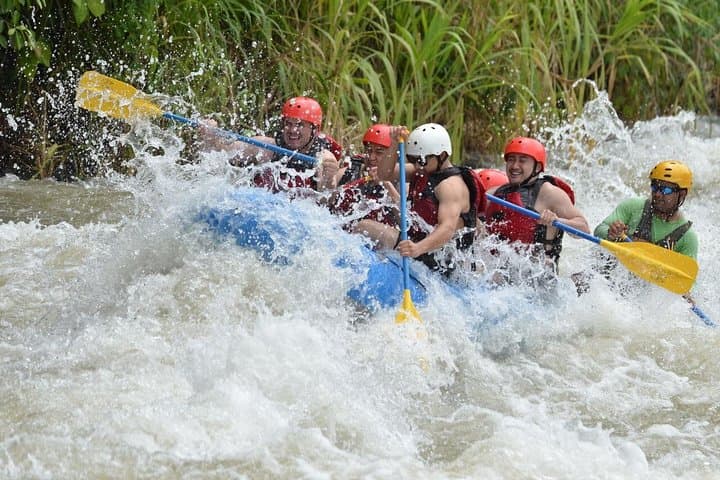
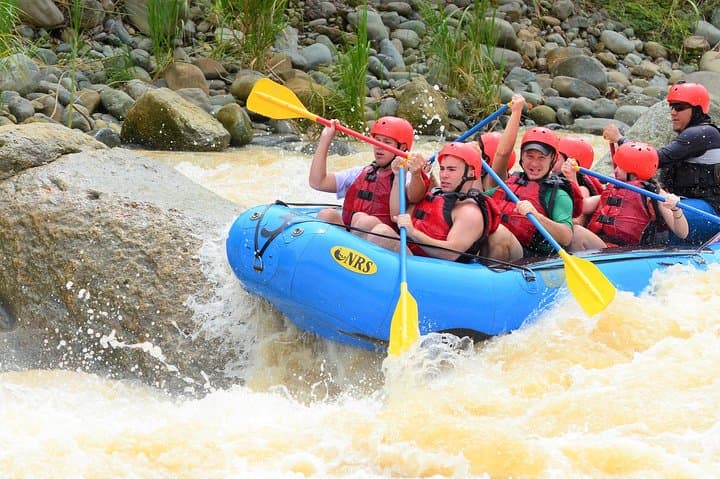

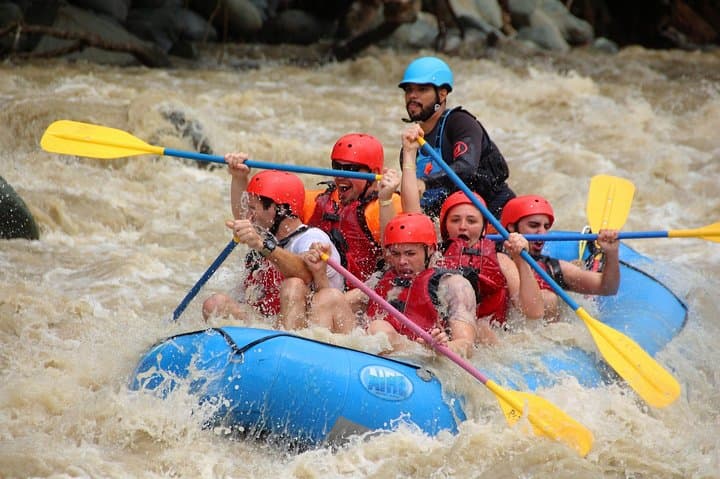
A first spray of river water cools the face as the raft drops into the current, jungle walls closing in and palm farms sliding past the banks. The Naranjo River runs quick here—steep, chop-filled stretches demand attention and the guide’s voice through the roar becomes the group’s steadying rhythm.
A first spray of river water cools the face as the raft drops into the current, jungle walls closing in and palm farms sliding past the banks. The Naranjo River runs quick here—steep, chop-filled stretches demand attention and the guide’s voice through the roar becomes the group’s steadying rhythm.
The river corridor slices through the Central Pacific foothills of Puntarenas, where volcanic soils feed dense rainforest and productive plantations. Historically, this coastal strip grew around small agricultural settlements and fishing villages; today river trips thread both wild gorge and cultivated edge, offering glimpses of local life alongside toucans and howler monkeys.
Geologically the Naranjo’s channel has carved through young volcanic and alluvial deposits, producing tight bends and pocketed boulders that create the Class III–IV features rafter’s relish—waves, holes and technical maneuvers rather than long continuous drops.
Expect a practical, half-day itinerary: pickup in Quepos or Manuel Antonio, transport to the put-in, about 2–3 hours on the water depending on flows, then a riverside lunch and return. Guides in kayaks shadow rafts for safety; boats fit up to six paddlers, so teamwork is part of the ride.
Bring a sense of adventure and sensible preparation: rubber-soled shoes that stay on, sun protection, and a swimsuit under quick-dry clothing. If rain arrives, the river becomes livelier—listen to guides about changing conditions and follow their safety briefing closely. This is a hands-on, splash-forward way to experience Costa Rica’s wild coastal foothills.