THE ADVENTURE COLLECTIVE® · Independent discovery and booking for outdoor travel

Spend a focused half-day in Nairobi visiting the Giraffe Centre, an elephant orphanage viewing window, and a local bead cooperative. This accessible conservation tour blends close wildlife encounters with cultural insight and practical logistics for a smooth visit.
Spend a focused half-day in Nairobi visiting the Giraffe Centre, an elephant orphanage viewing window, and a local bead cooperative. This accessible conservation tour blends close wildlife encounters with cultural insight and practical logistics for a smooth visit.
You step off an air-conditioned minivan into the dry, sun-warmed scrub at the edge of Nairobi National Park; giraffes watch you with deliberate curiosity and the distant city hums like a held breath. In four hours the city’s wildlife and community projects compress into a single loop: a conservation-focused visit with giraffes, a chance encounter with rescued elephant calves, and a quick cultural stop at a women’s bead cooperative.
Verified experiences and guided adventures in the surrounding area.
Operated by Nairobi and Beyond Safaris · Nairobi, Nairobi County
You step off an air-conditioned minivan into the dry, sun-warmed scrub at the edge of Nairobi National Park; giraffes watch you with deliberate curiosity and the distant city hums like a held breath. In four hours the city’s wildlife and community projects compress into a single loop: a conservation-focused visit with giraffes, a chance encounter with rescued elephant calves, and a quick cultural stop at a women’s bead cooperative.
The Giraffe Centre began as a local conservation effort to save the Rothschild giraffe from regional decline; nearby, the David Sheldrick Wildlife Trust has long rehabilitated orphaned elephants for eventual return to the wild. Geologically the area sits on the Nairobi plains, a flat expanse cut by seasonal riverbeds that feed small wetlands where animals gather. Culturally, the bead workshop showcases contemporary Kenyan craft rooted in longstanding community and income-generation practices.
What to expect: guided close encounters rather than free-range safari, knowledgeable staff, and short interpretive talks about rescue techniques and breeding programs. The tour moves at a gentle pace with timed visits and wheelchair-accessible surfaces; reservations are recommended for the elephant orphanage viewing window.
Practical guidance: bring sun protection and water, arrive with camera settings ready for mid-day light, and budget time for Nairobi traffic during pick-up and drop-off. Respect viewing distances at both sanctuaries and follow guide directions — these centers balance visitor access with animal welfare.
easy.
3–4 hours.
Suitable for all fitness levels; involves short, flat walks and standing during talks.
The tour runs about four hours, typically including hotel pickup and drop-off within Nairobi city limits.
Admission to the Giraffe Centre and elephant orphanage are managed by the tour operator; confirm whether fees are covered when booking.
Yes—children can attend, but infants must sit on an adult’s lap and visitors should follow staff guidance near animals.
Yes; vehicles and most surfaces at the visit sites are wheelchair accessible, but check specific pickup point accessibility when booking.
The Giraffe Centre and Sheldrick orphanage grew from local conservation initiatives in the late 20th century focused on rescuing and rehabilitating species affected by habitat loss and poaching.
Both centers operate on rehabilitation, education, and reintroduction principles; visitors support funding but should follow rules to minimize stress on animals.
Nairobi and Beyond Safaris operates guided outdoor trips and adventures with an emphasis on safety, stewardship, and memorable experiences.
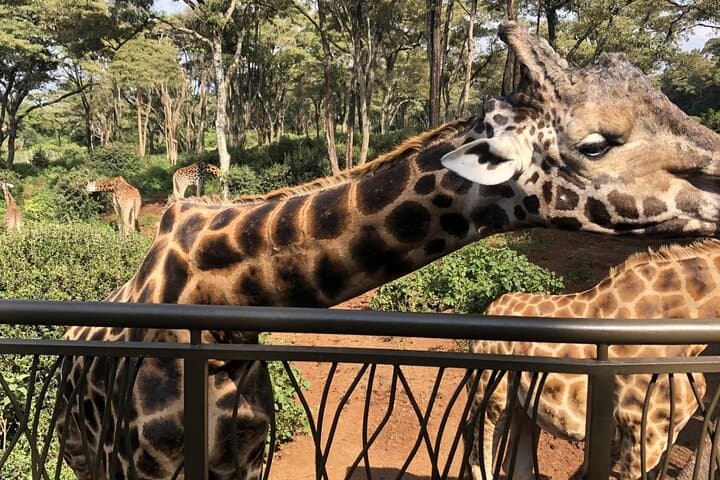
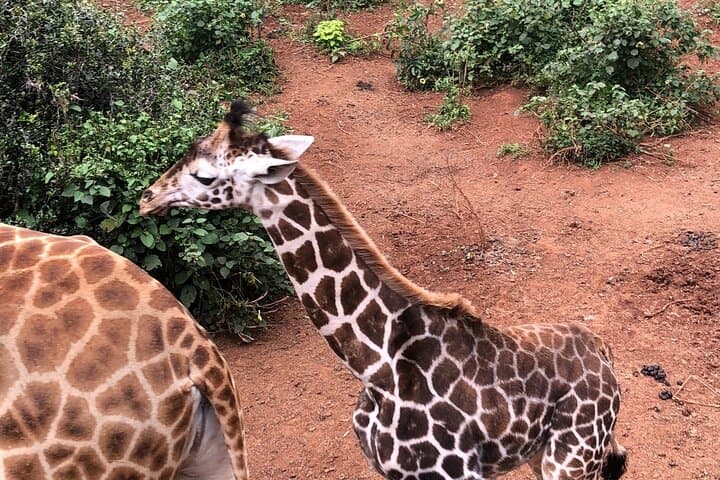
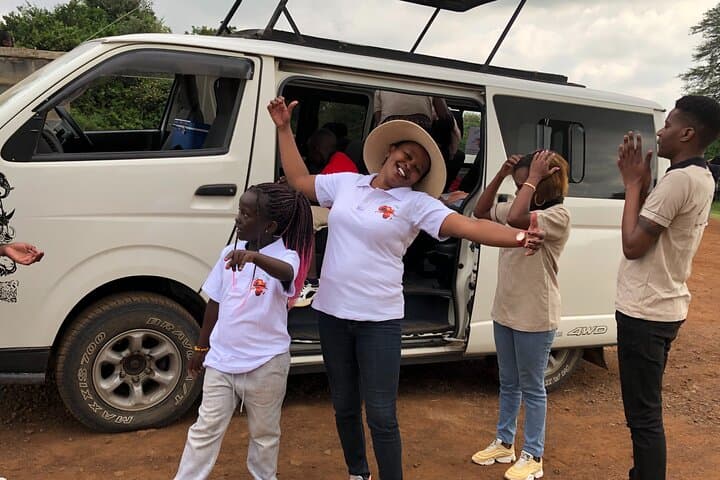
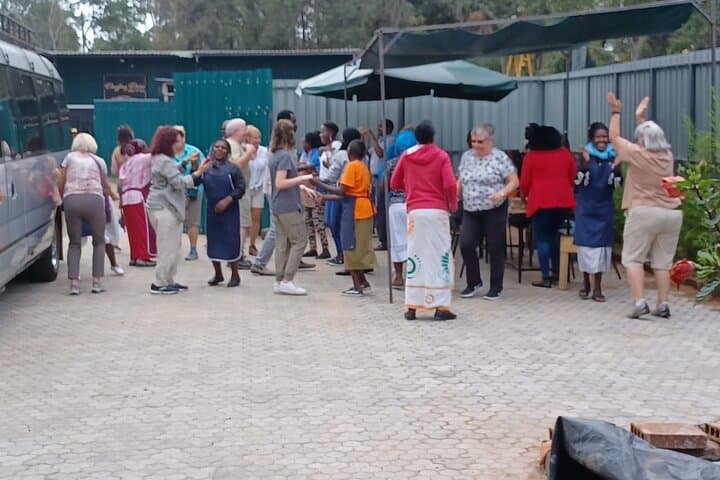
You step off an air-conditioned minivan into the dry, sun-warmed scrub at the edge of Nairobi National Park; giraffes watch you with deliberate curiosity and the distant city hums like a held breath. In four hours the city’s wildlife and community projects compress into a single loop: a conservation-focused visit with giraffes, a chance encounter with rescued elephant calves, and a quick cultural stop at a women’s bead cooperative.
You step off an air-conditioned minivan into the dry, sun-warmed scrub at the edge of Nairobi National Park; giraffes watch you with deliberate curiosity and the distant city hums like a held breath. In four hours the city’s wildlife and community projects compress into a single loop: a conservation-focused visit with giraffes, a chance encounter with rescued elephant calves, and a quick cultural stop at a women’s bead cooperative.
The Giraffe Centre began as a local conservation effort to save the Rothschild giraffe from regional decline; nearby, the David Sheldrick Wildlife Trust has long rehabilitated orphaned elephants for eventual return to the wild. Geologically the area sits on the Nairobi plains, a flat expanse cut by seasonal riverbeds that feed small wetlands where animals gather. Culturally, the bead workshop showcases contemporary Kenyan craft rooted in longstanding community and income-generation practices.
What to expect: guided close encounters rather than free-range safari, knowledgeable staff, and short interpretive talks about rescue techniques and breeding programs. The tour moves at a gentle pace with timed visits and wheelchair-accessible surfaces; reservations are recommended for the elephant orphanage viewing window.
Practical guidance: bring sun protection and water, arrive with camera settings ready for mid-day light, and budget time for Nairobi traffic during pick-up and drop-off. Respect viewing distances at both sanctuaries and follow guide directions — these centers balance visitor access with animal welfare.