THE ADVENTURE COLLECTIVE® · Independent discovery and booking for outdoor travel

Spend a half-day exploring Mutianyu Great Wall with choices to hike, ride the cable car, or return by toboggan. Finish with an optional hot pot to sample northern Chinese flavors.
Spend a half-day exploring Mutianyu Great Wall with choices to hike, ride the cable car, or return by toboggan. Finish with an optional hot pot to sample northern Chinese flavors.
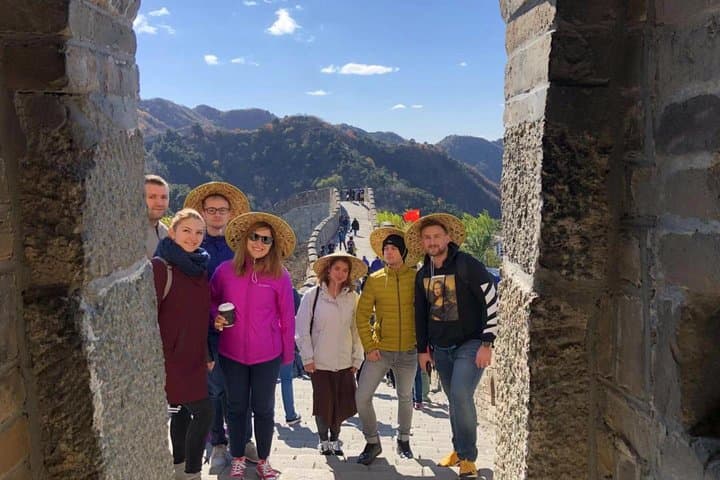
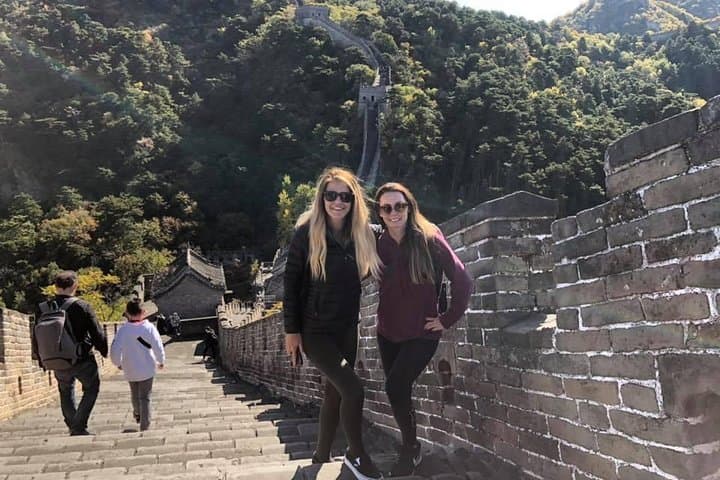
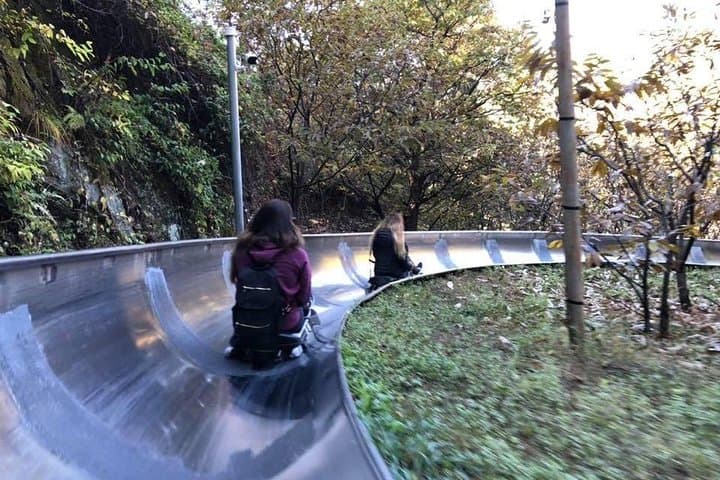
A low sun slices across the northern foothills of Beijing as the minivan climbs toward Mutianyu. The wall appears like a stone spine laid across the ridgeline—watchtowers punching the skyline, the valley below threaded with farmland and pine. Guests step off, breathe cool mountain air, and choose a route: a steady hike up steps and stone passes, a cable car that deposits you beside the ramparts, or a toboggan ride that turns descent into a quick, grin-filled run.
Verified experiences and guided adventures in the surrounding area.
Operated by Marco Polo electronic commerce co.,LTD · Beijing, Beijing
A low sun slices across the northern foothills of Beijing as the minivan climbs toward Mutianyu. The wall appears like a stone spine laid across the ridgeline—watchtowers punching the skyline, the valley below threaded with farmland and pine. Guests step off, breathe cool mountain air, and choose a route: a steady hike up steps and stone passes, a cable car that deposits you beside the ramparts, or a toboggan ride that turns descent into a quick, grin-filled run.
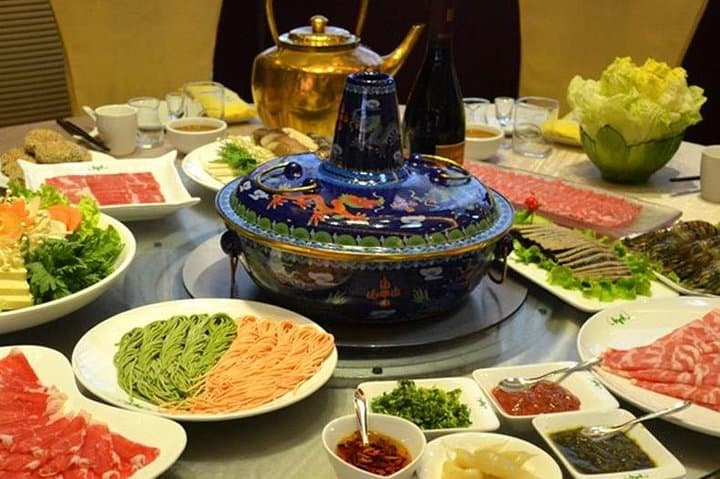
Mutianyu’s wall was rebuilt during the Ming dynasty and sits on the same arêtes and rocky outcrops that made it a natural defensive line. The stonework here is robust—broad parapets and closely spaced watchtowers—so you’re walking both history and geology. Local culture lives in small plumbed tea shops, and the optional hot pot lunch showcases northern Chinese flavors: shared broths, thinly sliced meats, and vegetables that warm you after the wind on the wall.
Practical pointers: the tour runs about five to six hours including round-trip hotel transfer from Beijing (expect roughly 1.5 hours each way). Footwear with good grip matters—the stone steps vary from shallow to steep. Carry a daypack with water and layers; weather shifts quickly on the ridge. If you want fewer people, choose the afternoon departure. Bring cash for souvenirs and the toboggan if you want a fun descent. The guide handles logistics and tickets, but you’re the one covering the distance—two to three hours on the wall depending on stops—so plan for steady, photo-ready walking.
moderate.
5–6 hours.
Reasonable fitness for 2–3 hours of walking on uneven stone steps; able to handle short steep sections and stairs.
Pickup to Mutianyu takes about 1–1.5 hours each way from central Beijing depending on traffic; tour duration includes transfer time.
Hot pot is optional—select it when booking if you want the meal; vegetarian options are available with prior notice.
Yes—the tour offers cable car or toboggan options for ascent or descent; confirm your preference with the guide on the day.
The experience suits most ages because of the cable car option, but the wall has many stairs—those with mobility issues should use the cable car and avoid long hikes.
Mutianyu was rebuilt and fortified during the Ming dynasty as part of the northern defense line, characterized by closely spaced watchtowers and wide parapets.
High visitor numbers stress ancient masonry and vegetation; stick to marked paths, avoid climbing parapets, and carry out trash to reduce erosion and litter.
Marco Polo electronic commerce co.,LTD operates guided outdoor trips and adventures with an emphasis on safety, stewardship, and memorable experiences.
A low sun slices across the northern foothills of Beijing as the minivan climbs toward Mutianyu. The wall appears like a stone spine laid across the ridgeline—watchtowers punching the skyline, the valley below threaded with farmland and pine. Guests step off, breathe cool mountain air, and choose a route: a steady hike up steps and stone passes, a cable car that deposits you beside the ramparts, or a toboggan ride that turns descent into a quick, grin-filled run.
A low sun slices across the northern foothills of Beijing as the minivan climbs toward Mutianyu. The wall appears like a stone spine laid across the ridgeline—watchtowers punching the skyline, the valley below threaded with farmland and pine. Guests step off, breathe cool mountain air, and choose a route: a steady hike up steps and stone passes, a cable car that deposits you beside the ramparts, or a toboggan ride that turns descent into a quick, grin-filled run.
Mutianyu’s wall was rebuilt during the Ming dynasty and sits on the same arêtes and rocky outcrops that made it a natural defensive line. The stonework here is robust—broad parapets and closely spaced watchtowers—so you’re walking both history and geology. Local culture lives in small plumbed tea shops, and the optional hot pot lunch showcases northern Chinese flavors: shared broths, thinly sliced meats, and vegetables that warm you after the wind on the wall.
Practical pointers: the tour runs about five to six hours including round-trip hotel transfer from Beijing (expect roughly 1.5 hours each way). Footwear with good grip matters—the stone steps vary from shallow to steep. Carry a daypack with water and layers; weather shifts quickly on the ridge. If you want fewer people, choose the afternoon departure. Bring cash for souvenirs and the toboggan if you want a fun descent. The guide handles logistics and tickets, but you’re the one covering the distance—two to three hours on the wall depending on stops—so plan for steady, photo-ready walking.