THE ADVENTURE COLLECTIVE® · Independent discovery and booking for outdoor travel

See Muscat’s grand mosque, seaside forts and Mutrah Souq in a compact private half-day tour. Ideal for first-time visitors who want a focused introduction to the city’s history, culture and coastal views.
See Muscat’s grand mosque, seaside forts and Mutrah Souq in a compact private half-day tour. Ideal for first-time visitors who want a focused introduction to the city’s history, culture and coastal views.
Stepping from a shaded 4x4 onto the broad marble forecourt of Sultan Qaboos Grand Mosque feels like entering a calm of cool stone and quiet footsteps. Light slides across the mosque’s vast courtyard; beyond, the sea keeps time along Muscat’s curve and the old forts stand watch on sunburnt rock.
Verified experiences and guided adventures in the surrounding area.
Operated by Oman Travel Adventure · Muscat, Muscat Governorate
Stepping from a shaded 4x4 onto the broad marble forecourt of Sultan Qaboos Grand Mosque feels like entering a calm of cool stone and quiet footsteps. Light slides across the mosque’s vast courtyard; beyond, the sea keeps time along Muscat’s curve and the old forts stand watch on sunburnt rock.
This private half-day tour threads contemporary Muscat with its maritime past: Portuguese-built Al Jalali and Al Mirani forts perch on bluffs that mark centuries of trade and conflict, while Mutrah Souq — trading spices, frankincense and silver for two centuries — still hums with bargaining voices. Geologically, the city is the meeting point of the Hajar foothills and the Gulf of Oman’s coastal plain, where sedimentary terraces give way to weathered ophiolite outcrops.
Expect cultural touchpoints: the Royal Opera House plaza, ministry facades, and a stop for Omani bread with honey and karak tea — small rituals that reveal everyday life. Practicalities matter: the mosque enforces a conservative dress code (long sleeves and covered hair for women), and some sites charge small entrance fees.
Plan your window: morning light softens marble and sea breezes cut the heat; afternoons can feel oppressive in summer. Bring a refillable water bottle, sun protection and modest layers for easy compliance with cultural norms. The pace is relaxed but packed: photo stops at the palace, promenade time at Qurum Beach, and a measured walk through Mutrah Souq. For travelers who want a compact primer on Muscat’s architecture, seafront energy and living traditions, this four-hour loop delivers clear orientation with room for curiosity.
easy.
3–4 hours.
Suitable for most fitness levels; involves short walks and standing during photo stops
Yes — mosque entry sometimes requires a small fee (listed by the provider) and there is a strict dress code for interior visits.
The tour notes wheelchair access for many stops, but uneven surfaces at the souq and some forts may limit full access; check with the operator for vehicle and ramp specifics.
Guides can advise and often source alternatives, but let the operator know in advance via the booking’s special requirements field.
The forts are primarily photo stops in this itinerary; access inside can be limited and is subject to local restrictions and conservation measures.
Muscat’s waterfront and forts reflect centuries of seafaring trade and 16th‑century Portuguese occupation; Mutrah Souq evolved as a merchants’ hub over the last two hundred years.
Water scarcity and coastal development are local concerns—use refillable bottles and avoid single‑use plastics; respect restricted heritage sites to limit erosion and wear.
Oman Travel Adventure operates guided outdoor trips and adventures with an emphasis on safety, stewardship, and memorable experiences.
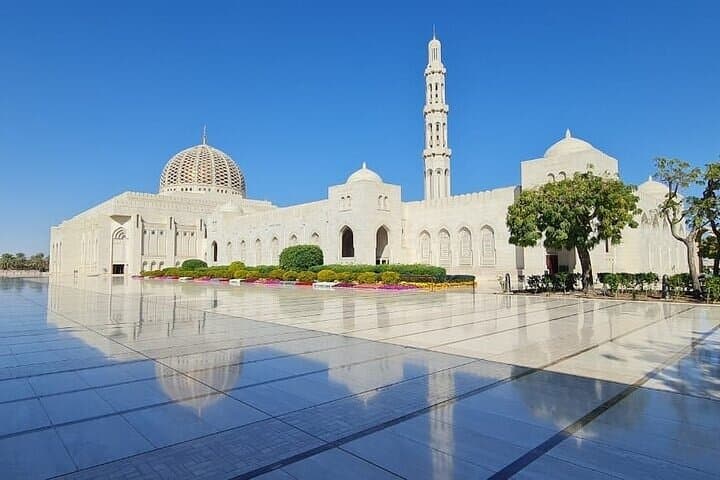
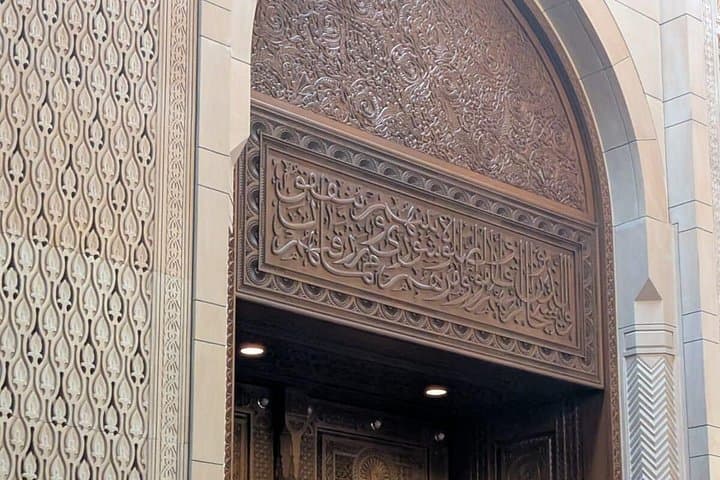
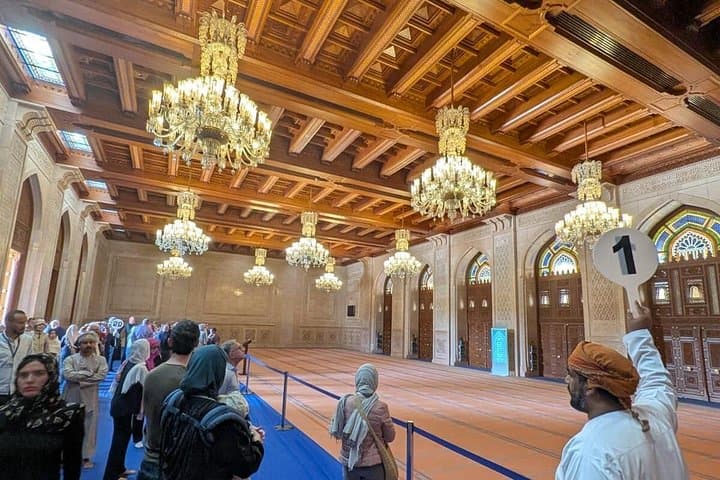
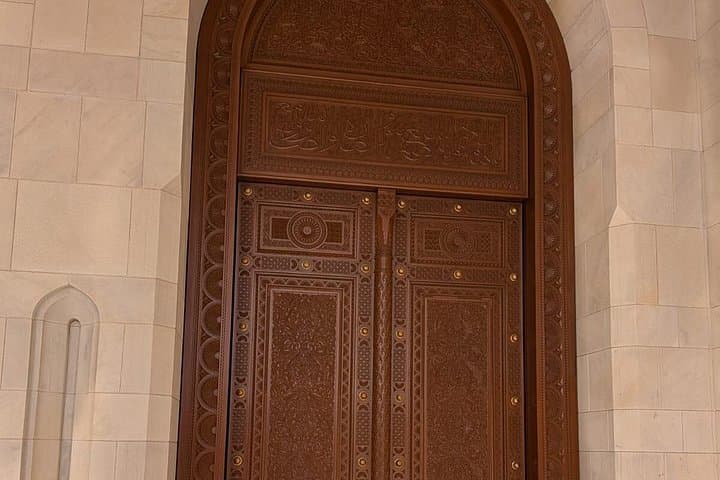
Stepping from a shaded 4x4 onto the broad marble forecourt of Sultan Qaboos Grand Mosque feels like entering a calm of cool stone and quiet footsteps. Light slides across the mosque’s vast courtyard; beyond, the sea keeps time along Muscat’s curve and the old forts stand watch on sunburnt rock.
Stepping from a shaded 4x4 onto the broad marble forecourt of Sultan Qaboos Grand Mosque feels like entering a calm of cool stone and quiet footsteps. Light slides across the mosque’s vast courtyard; beyond, the sea keeps time along Muscat’s curve and the old forts stand watch on sunburnt rock.
This private half-day tour threads contemporary Muscat with its maritime past: Portuguese-built Al Jalali and Al Mirani forts perch on bluffs that mark centuries of trade and conflict, while Mutrah Souq — trading spices, frankincense and silver for two centuries — still hums with bargaining voices. Geologically, the city is the meeting point of the Hajar foothills and the Gulf of Oman’s coastal plain, where sedimentary terraces give way to weathered ophiolite outcrops.
Expect cultural touchpoints: the Royal Opera House plaza, ministry facades, and a stop for Omani bread with honey and karak tea — small rituals that reveal everyday life. Practicalities matter: the mosque enforces a conservative dress code (long sleeves and covered hair for women), and some sites charge small entrance fees.
Plan your window: morning light softens marble and sea breezes cut the heat; afternoons can feel oppressive in summer. Bring a refillable water bottle, sun protection and modest layers for easy compliance with cultural norms. The pace is relaxed but packed: photo stops at the palace, promenade time at Qurum Beach, and a measured walk through Mutrah Souq. For travelers who want a compact primer on Muscat’s architecture, seafront energy and living traditions, this four-hour loop delivers clear orientation with room for curiosity.