THE ADVENTURE COLLECTIVE® · Independent discovery and booking for outdoor travel

See Muscat’s highlights in a single half-day: the Grand Mosque’s immense prayer hall, the winding lanes of Mutrah Souq, Bait Al Zubair’s cultural displays, and seaside palaces and forts. Perfect for a concise cultural primer with clear practical tips.
See Muscat’s highlights in a single half-day: the Grand Mosque’s immense prayer hall, the winding lanes of Mutrah Souq, Bait Al Zubair’s cultural displays, and seaside palaces and forts. Perfect for a concise cultural primer with clear practical tips.
You step out of the air-conditioned vehicle onto a wide stone forecourt and the Grand Mosque fills your field of view — white domes and a 50-meter central dome rising above a patterned prayer carpet that once took four years to weave. The air carries the sea’s salt from nearby Mutrah as gulls call and the corniche daringly curves toward the harbor where Forts Jalali and Mirani keep silent watch.
Verified experiences and guided adventures in the surrounding area.
Operated by Discover Mazoon Tours Oman · Muscat, Muscat Governorate
You step out of the air-conditioned vehicle onto a wide stone forecourt and the Grand Mosque fills your field of view — white domes and a 50-meter central dome rising above a patterned prayer carpet that once took four years to weave. The air carries the sea’s salt from nearby Mutrah as gulls call and the corniche daringly curves toward the harbor where Forts Jalali and Mirani keep silent watch.
Muscat wears history on its facades: Portuguese-built forts from the 16th century, a trading port that linked Arabia to India and China, and Omani homes with wooden balconies facing white government buildings. The Royal Opera House, opened under Sultan Qaboos, signals a modern cultural turn alongside traditional markets; at Mutrah Souq winding alleys still sell frankincense, silver, halwa, and spices the city traded for centuries. Bait Al Zubair Museum gives context to the country’s tribal legacy and royal line.
Practicalities shape the visit: allow four to five hours for a relaxed pace, with short walks at market stalls, a museum stop, and photo opportunities at Al Alam Palace gates. Dress modestly for the mosque (long sleeves and covered legs; women should bring a headscarf). Morning or late afternoon visits avoid the worst heat and provide softer light for photos. Bring water, sun protection, and small change for market purchases and tips. Expect flat walking on paved streets with occasional steps around forts; mobility-friendly vehicles handle hotel pick-up and drop-off. This half-day tour condenses Muscat’s civic, religious, and mercantile identity into a compact, walkable introduction.
easy.
4–5 hours.
Suitable for most fitness levels; involves short, mostly flat walks and standing at markets and sites.
The private tour runs about 4–5 hours and typically includes the Grand Mosque, ministries area, Al Qurum Beach, Mutrah Fish Market, Mutrah Souq, Bait Al Zubair Museum, Al Alam Palace, Jalali & Mirani forts (views), and the Royal Opera House.
Yes, non-Muslims may visit during designated hours; follow the dress code and be prepared to remove shoes and avoid quiet prayer times.
Yes—vehicles offer infant seats on request, though the mosque requires children to be supervised and some areas are not stroller-friendly.
The tour typically includes museum entry and hotel or port pickup/drop-off; confirm any optional extras or gratuities with your operator.
Muscat’s harbor was fortified by the Portuguese in the 16th century; its position on Indian Ocean trade routes shaped centuries of commerce and cultural exchange.
Visitors should avoid single-use plastics at markets, follow mosque rules to protect sacred spaces, and refrain from touching archaeological features to preserve them.
Discover Mazoon Tours Oman operates guided outdoor trips and adventures with an emphasis on safety, stewardship, and memorable experiences.
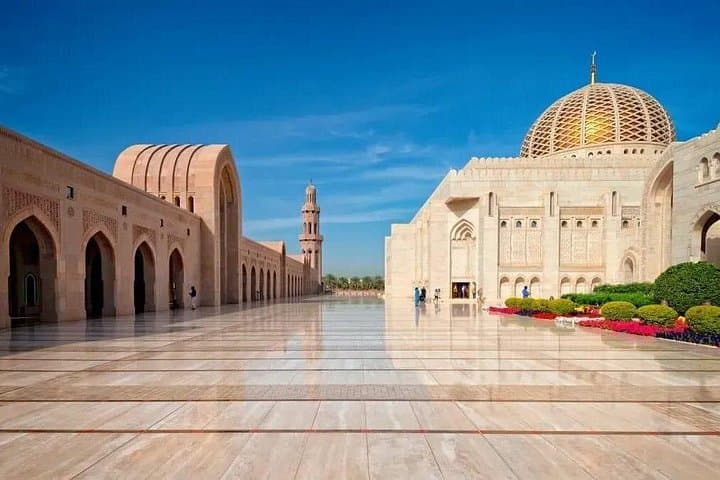
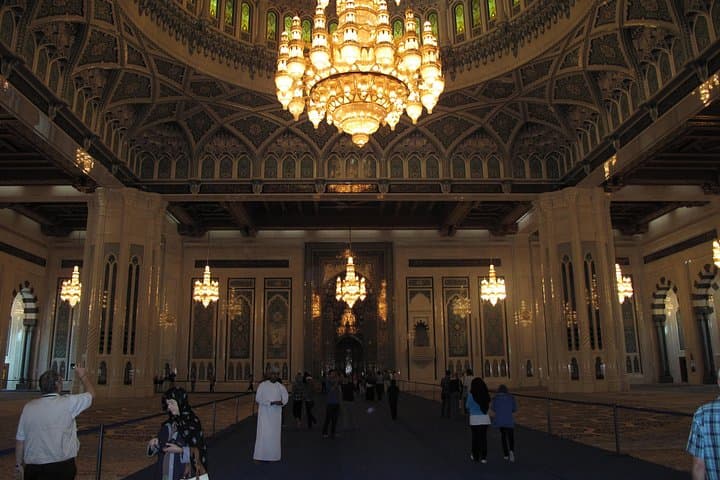
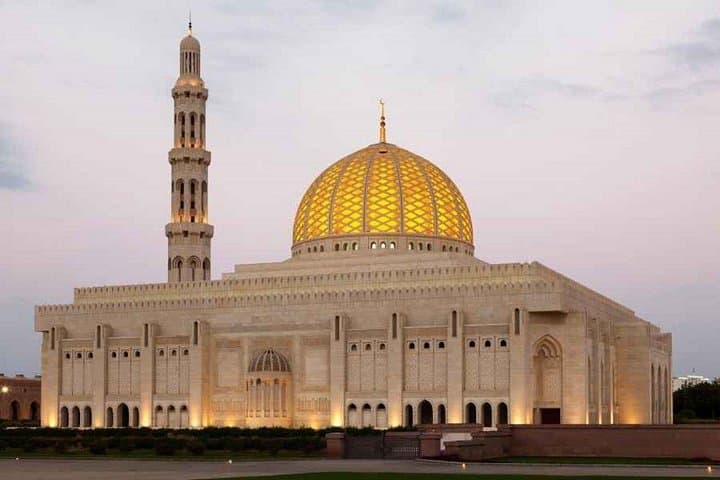
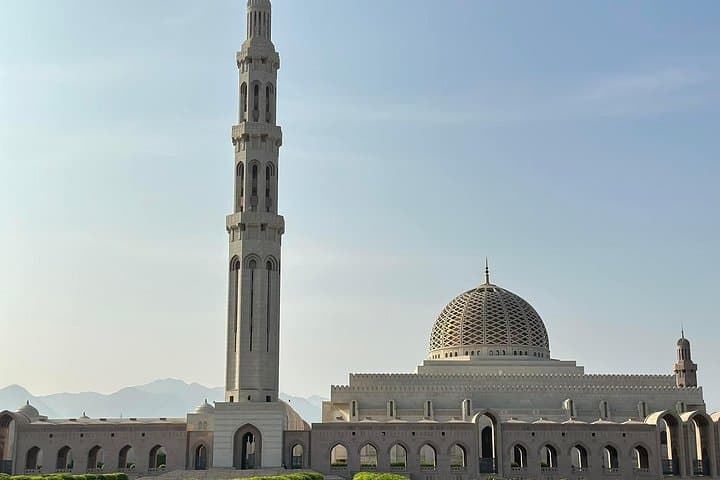
You step out of the air-conditioned vehicle onto a wide stone forecourt and the Grand Mosque fills your field of view — white domes and a 50-meter central dome rising above a patterned prayer carpet that once took four years to weave. The air carries the sea’s salt from nearby Mutrah as gulls call and the corniche daringly curves toward the harbor where Forts Jalali and Mirani keep silent watch.
You step out of the air-conditioned vehicle onto a wide stone forecourt and the Grand Mosque fills your field of view — white domes and a 50-meter central dome rising above a patterned prayer carpet that once took four years to weave. The air carries the sea’s salt from nearby Mutrah as gulls call and the corniche daringly curves toward the harbor where Forts Jalali and Mirani keep silent watch.
Muscat wears history on its facades: Portuguese-built forts from the 16th century, a trading port that linked Arabia to India and China, and Omani homes with wooden balconies facing white government buildings. The Royal Opera House, opened under Sultan Qaboos, signals a modern cultural turn alongside traditional markets; at Mutrah Souq winding alleys still sell frankincense, silver, halwa, and spices the city traded for centuries. Bait Al Zubair Museum gives context to the country’s tribal legacy and royal line.
Practicalities shape the visit: allow four to five hours for a relaxed pace, with short walks at market stalls, a museum stop, and photo opportunities at Al Alam Palace gates. Dress modestly for the mosque (long sleeves and covered legs; women should bring a headscarf). Morning or late afternoon visits avoid the worst heat and provide softer light for photos. Bring water, sun protection, and small change for market purchases and tips. Expect flat walking on paved streets with occasional steps around forts; mobility-friendly vehicles handle hotel pick-up and drop-off. This half-day tour condenses Muscat’s civic, religious, and mercantile identity into a compact, walkable introduction.