THE ADVENTURE COLLECTIVE® · Independent discovery and booking for outdoor travel

Walk through rolling tea rows and shola pockets on a 4–5 hour guided hike that pairs panoramic views of Anaimudi with local history and wildlife watching. This half-day trek is practical for fit beginners and highlights plantation stories, endemic flora, and layered Western Ghats geology.
Walk through rolling tea rows and shola pockets on a 4–5 hour guided hike that pairs panoramic views of Anaimudi with local history and wildlife watching. This half-day trek is practical for fit beginners and highlights plantation stories, endemic flora, and layered Western Ghats geology.
A cool, early mist clings to the tea rows as the trail peels away from the road and into pocketed forest. Guides move at an easy, steady rhythm, pointing out old estate walls and the occasional crimson bird, while the ground rises toward clear viewpoints that open onto Anaimudi, South India’s highest peak.
Verified experiences and guided adventures in the surrounding area.
Operated by Munnar Great Think Adventures · Munnar, Kerala
A cool, early mist clings to the tea rows as the trail peels away from the road and into pocketed forest. Guides move at an easy, steady rhythm, pointing out old estate walls and the occasional crimson bird, while the ground rises toward clear viewpoints that open onto Anaimudi, South India’s highest peak.
The walk threads history and geology: British planters carved these slopes for tea in the late 19th century, transforming high-elevation shola and grassland into managed terraces. Underfoot the soil is shallow over ancient Western Ghats gneiss, and pockets of native shola forest still hold endemic plants and the shy Nilgiri tahr. Local culture is visible in small estate settlements and the daily rhythms of tea workers, whose knowledge of the land informs much of the route.
Expect 4–5 hours of steady hiking over dirt tracks, stone steps and occasional muddy sections, with cumulative elevation gain typically 200–400 meters depending on route variations. The trail alternates open plantations—where the tea bushes seem to roll like green waves—and brief jungle pockets where birds and sambar deer appear.
Practical guidance: start early to catch clear views and avoid mid-day cloud buildup; carry 1–2 liters of water, sturdy hiking shoes, and a light rain jacket during monsoon months. Respect estate boundaries, stay with your guide, and keep noise low to improve wildlife sightings. Breakfast is commonly included, making this a compact, accessible way to sample Munnar’s landscapes and history without a full-day commitment.
moderate.
4–5 hours.
Moderate fitness—comfortable walking on uneven terrain, able to handle a few hundred meters of ascent.
The tour runs about 4–5 hours and is rated moderate—suitable for fit beginners able to walk uneven trails and manage short climbs of 200–400 meters.
Many operators offer pickup from central Munnar; check your booking for exact pickup locations or public transport options nearby.
Wildlife sightings can include birds, sambar deer, and occasionally Nilgiri tahr; sightings aren't guaranteed and are best in quieter, early hours.
A morning breakfast and bottled water are typically included with the half-day hike, but confirm dietary options with the operator in advance.
British planters established large tea estates on these Western Ghats slopes in the late 1800s, reshaping land use and local economies while tea cultivation techniques adapted to high-elevation conditions.
The Western Ghats are a biodiversity hotspot; stick to trails, avoid littering, and support local guides who practice low-impact touring to preserve fragile shola ecosystems.
Munnar Great Think Adventures operates guided outdoor trips and adventures with an emphasis on safety, stewardship, and memorable experiences.
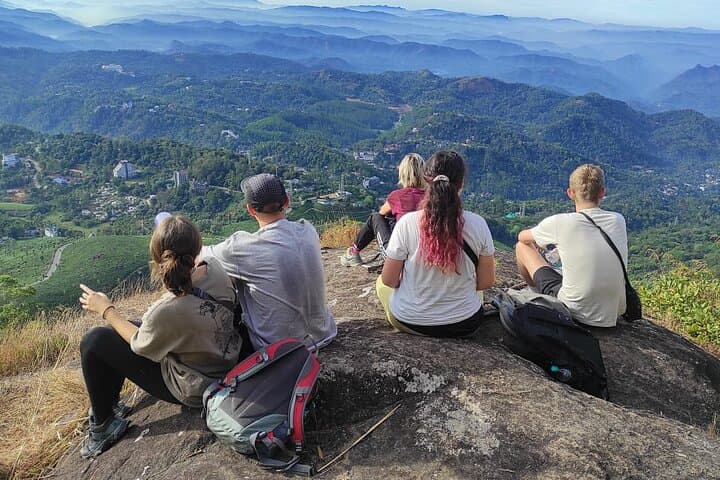
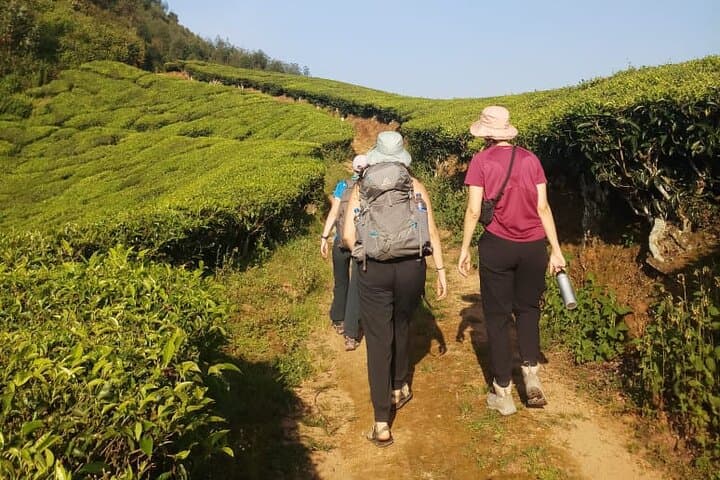
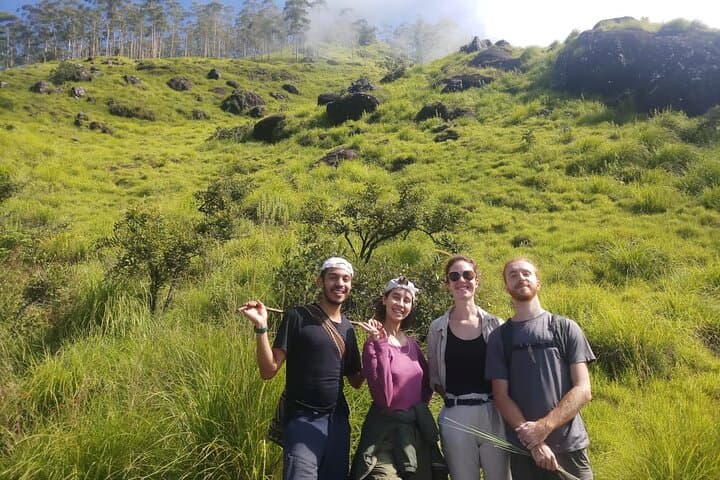
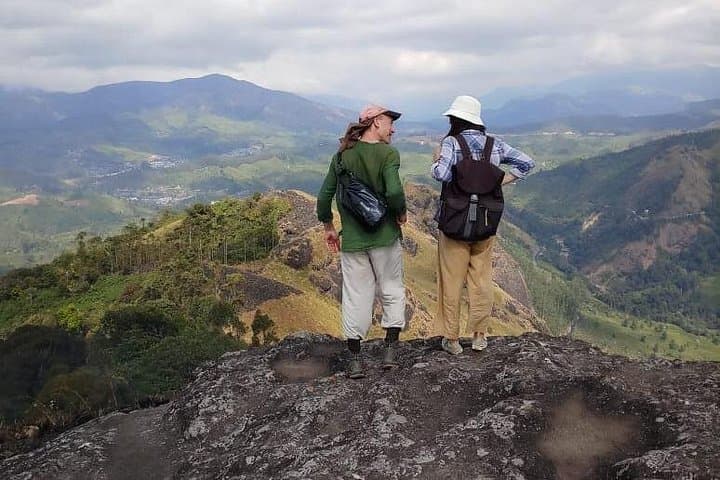
A cool, early mist clings to the tea rows as the trail peels away from the road and into pocketed forest. Guides move at an easy, steady rhythm, pointing out old estate walls and the occasional crimson bird, while the ground rises toward clear viewpoints that open onto Anaimudi, South India’s highest peak.
A cool, early mist clings to the tea rows as the trail peels away from the road and into pocketed forest. Guides move at an easy, steady rhythm, pointing out old estate walls and the occasional crimson bird, while the ground rises toward clear viewpoints that open onto Anaimudi, South India’s highest peak.
The walk threads history and geology: British planters carved these slopes for tea in the late 19th century, transforming high-elevation shola and grassland into managed terraces. Underfoot the soil is shallow over ancient Western Ghats gneiss, and pockets of native shola forest still hold endemic plants and the shy Nilgiri tahr. Local culture is visible in small estate settlements and the daily rhythms of tea workers, whose knowledge of the land informs much of the route.
Expect 4–5 hours of steady hiking over dirt tracks, stone steps and occasional muddy sections, with cumulative elevation gain typically 200–400 meters depending on route variations. The trail alternates open plantations—where the tea bushes seem to roll like green waves—and brief jungle pockets where birds and sambar deer appear.
Practical guidance: start early to catch clear views and avoid mid-day cloud buildup; carry 1–2 liters of water, sturdy hiking shoes, and a light rain jacket during monsoon months. Respect estate boundaries, stay with your guide, and keep noise low to improve wildlife sightings. Breakfast is commonly included, making this a compact, accessible way to sample Munnar’s landscapes and history without a full-day commitment.