THE ADVENTURE COLLECTIVE® · Independent discovery and booking for outdoor travel

Explore sacred springs, a glacial alpine lake and the lower slopes of Mount Shasta in one accessible half-day outing. Short walks, dramatic viewpoints and interpretive stops make this a practical primer on the mountain’s geology and cultural stories.
Explore sacred springs, a glacial alpine lake and the lower slopes of Mount Shasta in one accessible half-day outing. Short walks, dramatic viewpoints and interpretive stops make this a practical primer on the mountain’s geology and cultural stories.
A thin ribbon of road climbs out of Mt. Shasta and the air tightens, smelling of incense cedar and cold spring water. On this half-day loop you move from a forested, culturally charged spring to a bowl-shaped alpine lake and then up the southern slopes of Mount Shasta, where red firs and volcanic outcrops sculpt the skyline.
Verified experiences and guided adventures in the surrounding area.
Operated by Mt Shasta Fun Guide/Robin Kohn · Mt. Shasta, California
A thin ribbon of road climbs out of Mt. Shasta and the air tightens, smelling of incense cedar and cold spring water. On this half-day loop you move from a forested, culturally charged spring to a bowl-shaped alpine lake and then up the southern slopes of Mount Shasta, where red firs and volcanic outcrops sculpt the skyline.
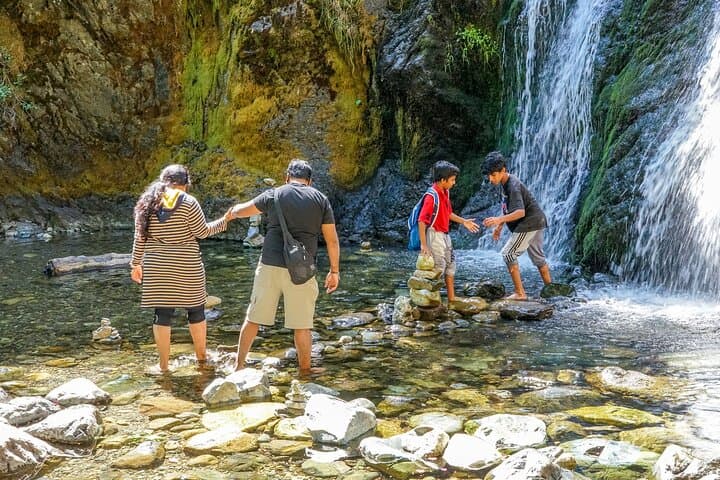
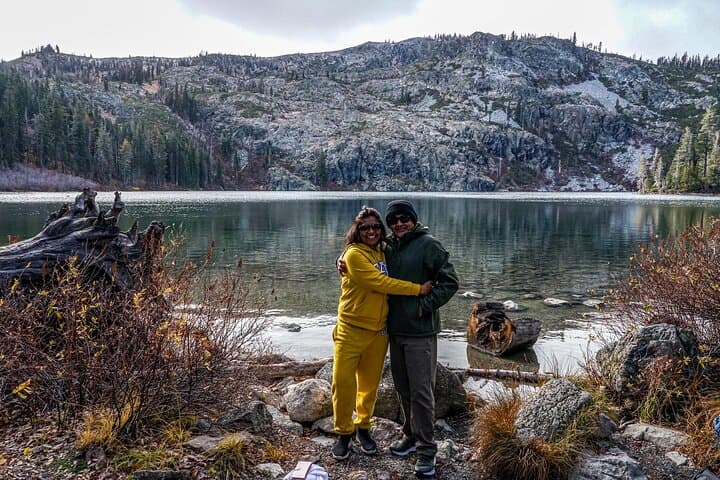
The tour opens at Ney Springs and Faery Falls, sites with 19th-century resort remnants and long Native American significance; clear springs still issue from old stonework. Castle Lake is a classic glacial cirque—47 acres of cobalt water formed at the end of the last ice age—framed by talus and evergreen. Moving upslope on Everitt Memorial Highway, the roadside geology reveals andesitic flows and glacially scoured benches; Red Fir Flat and Ascension Rock are local “power spots” with strong cultural stories tied to the mountain’s spiritual traditions.
Expect short walks on uneven dirt paths at Faery Falls and brief stops at viewpoints and interpretive sites; Bunny Flat sits at about 6,950 ft and offers restroom access and photo ops. If weather and season allow, the Old Ski Bowl at ~7,900 ft adds sweeping views of the Klamath Mountains.
Practical edge: dress in layers, bring water, and allow extra time for road-dependent stops—the route is weather and season dependent. The tour is a good introduction to Mount Shasta’s natural history, limnology of an alpine lake, and local cultural narratives, delivered in a compact, accessible outing for most fitness levels.
easy.
4–5 hours.
Suitable for most fitness levels; participants should be comfortable with short uneven walks and vehicle-based transitions.
The tour is rated easy; most stops involve short walks (a quarter mile at Faery Falls) and mostly vehicle travel between points.
Yes — Bunny Flat has restroom facilities; other stops are informal and may not have amenities.
No — access to the Old Ski Bowl depends on road and snow conditions; it’s typically available in summer and early fall.
Yes — the itinerary is designed for broad accessibility, but uneven short trails and altitude gain may challenge very young children or those with mobility limits.
The west-side springs and resort remnants date to the late 1800s; Castle Lake occupies a glacial cirque formed during the last ice age.
Mount Shasta’s alpine ecosystems are sensitive to trampling and fire; stick to trails, pack out waste, and follow local guidelines to protect springs and fragile lake shorelines.
Mt Shasta Fun Guide/Robin Kohn operates guided outdoor trips and adventures with an emphasis on safety, stewardship, and memorable experiences.


A thin ribbon of road climbs out of Mt. Shasta and the air tightens, smelling of incense cedar and cold spring water. On this half-day loop you move from a forested, culturally charged spring to a bowl-shaped alpine lake and then up the southern slopes of Mount Shasta, where red firs and volcanic outcrops sculpt the skyline.
A thin ribbon of road climbs out of Mt. Shasta and the air tightens, smelling of incense cedar and cold spring water. On this half-day loop you move from a forested, culturally charged spring to a bowl-shaped alpine lake and then up the southern slopes of Mount Shasta, where red firs and volcanic outcrops sculpt the skyline.
The tour opens at Ney Springs and Faery Falls, sites with 19th-century resort remnants and long Native American significance; clear springs still issue from old stonework. Castle Lake is a classic glacial cirque—47 acres of cobalt water formed at the end of the last ice age—framed by talus and evergreen. Moving upslope on Everitt Memorial Highway, the roadside geology reveals andesitic flows and glacially scoured benches; Red Fir Flat and Ascension Rock are local “power spots” with strong cultural stories tied to the mountain’s spiritual traditions.
Expect short walks on uneven dirt paths at Faery Falls and brief stops at viewpoints and interpretive sites; Bunny Flat sits at about 6,950 ft and offers restroom access and photo ops. If weather and season allow, the Old Ski Bowl at ~7,900 ft adds sweeping views of the Klamath Mountains.
Practical edge: dress in layers, bring water, and allow extra time for road-dependent stops—the route is weather and season dependent. The tour is a good introduction to Mount Shasta’s natural history, limnology of an alpine lake, and local cultural narratives, delivered in a compact, accessible outing for most fitness levels.