THE ADVENTURE COLLECTIVE® · Independent discovery and booking for outdoor travel

Catch giant pandas at their most active on a private half-day morning tour of the Chengdu Research Base. This guided visit includes hotel pickup, entrance, and up-close viewing during feeding hours.
Catch giant pandas at their most active on a private half-day morning tour of the Chengdu Research Base. This guided visit includes hotel pickup, entrance, and up-close viewing during feeding hours.
The morning at the Chengdu Research Base of Giant Panda arrives soft and green: bamboo leaves whisper, keepers move with practiced calm, and the pandas—black patches alert—shuffle toward feeding platforms.
Verified experiences and guided adventures in the surrounding area.
Operated by TWT Travel · Chengdu, Sichuan
The morning at the Chengdu Research Base of Giant Panda arrives soft and green: bamboo leaves whisper, keepers move with practiced calm, and the pandas—black patches alert—shuffle toward feeding platforms.
Set in the Sichuan Basin, the base was founded to rescue and breed giant pandas after decades of habitat loss. The site sits on low hills that capture Chengdu’s humid subtropical climate; the enclosures are designed to mimic native bamboo forests while researchers document behavior and genetics. The pandas themselves are the draw: adults deliberate and ponderous, cubs quick and curious, a living link between local culture and national conservation work.
Culturally, visiting a panda base is part wildlife viewing and part civic education—exhibits explain breeding programs, rewilding challenges, and the role of local communities. Geology here is subtle: gentle slopes and river-fed soils support dense bamboo stands that sustain panda diets.
Practically, expect a private pickup around 8:00 a.m., a 3–4 hour window at the facility during peak morning activity, and return to downtown Chengdu. Your guide handles ticketing and navigation; entrance fees are included. Wear comfortable shoes for paved and gravel paths, keep voices low around enclosures, and have your passport on hand for check-in. Photography is allowed but no flash or feeding; follow keeper instructions. The trip is accessible to most fitness levels and offers a concentrated, responsibly managed encounter with one of China’s most iconic species.
easy.
3–4 hours.
Suitable for all fitness levels; mostly short distances on paved or gravel paths with gentle slopes.
Pickup is typically at 8:00 a.m. from Chengdu downtown hotels to arrive during the pandas’ morning feeding window.
Yes, the tour price includes the base entrance ticket and private transportation.
Children are welcome but must be accompanied by an adult; check age restrictions with the operator when booking.
No—flash and loud noises are prohibited to avoid disturbing the animals; still photos without flash are permitted.
The Chengdu Research Base was established in the 1980s to coordinate captive breeding and research after decades of habitat decline for pandas in Sichuan provinces.
The center focuses on captive breeding, research into reintroduction, and public education; visitors are encouraged to follow strict viewing rules to minimize stress on animals.
TWT Travel operates guided outdoor trips and adventures with an emphasis on safety, stewardship, and memorable experiences.
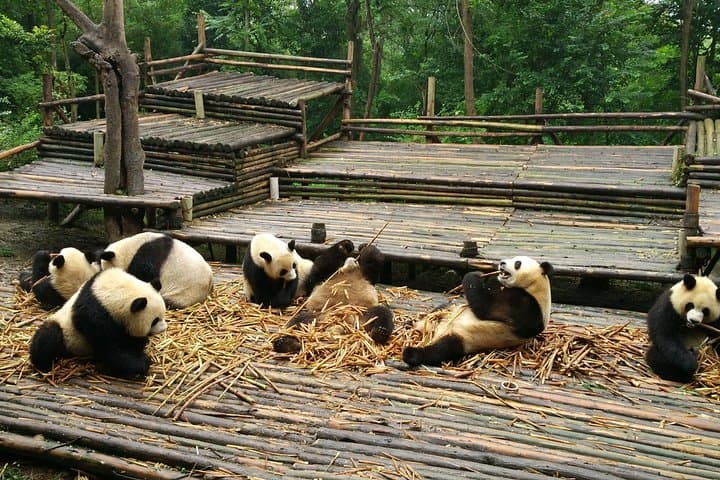
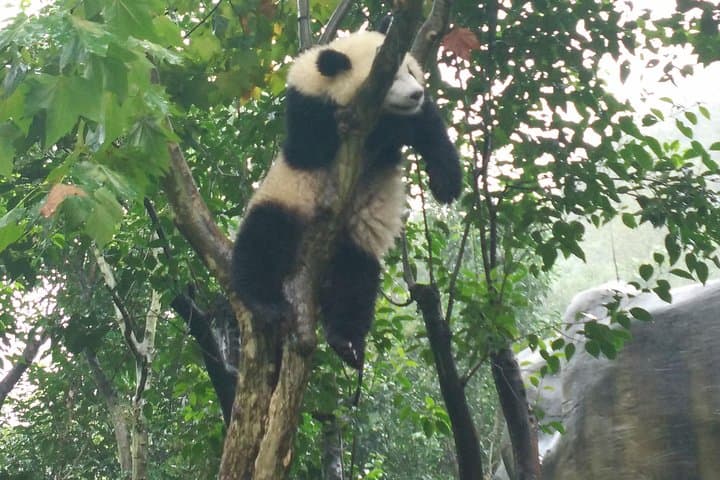
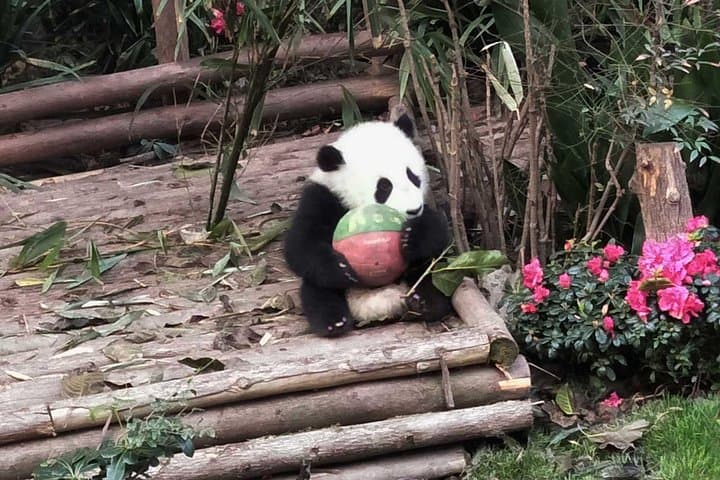
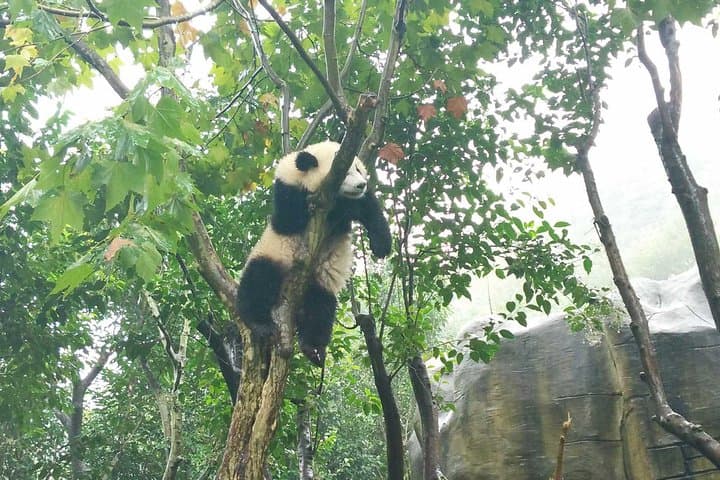
The morning at the Chengdu Research Base of Giant Panda arrives soft and green: bamboo leaves whisper, keepers move with practiced calm, and the pandas—black patches alert—shuffle toward feeding platforms.
The morning at the Chengdu Research Base of Giant Panda arrives soft and green: bamboo leaves whisper, keepers move with practiced calm, and the pandas—black patches alert—shuffle toward feeding platforms.
Set in the Sichuan Basin, the base was founded to rescue and breed giant pandas after decades of habitat loss. The site sits on low hills that capture Chengdu’s humid subtropical climate; the enclosures are designed to mimic native bamboo forests while researchers document behavior and genetics. The pandas themselves are the draw: adults deliberate and ponderous, cubs quick and curious, a living link between local culture and national conservation work.
Culturally, visiting a panda base is part wildlife viewing and part civic education—exhibits explain breeding programs, rewilding challenges, and the role of local communities. Geology here is subtle: gentle slopes and river-fed soils support dense bamboo stands that sustain panda diets.
Practically, expect a private pickup around 8:00 a.m., a 3–4 hour window at the facility during peak morning activity, and return to downtown Chengdu. Your guide handles ticketing and navigation; entrance fees are included. Wear comfortable shoes for paved and gravel paths, keep voices low around enclosures, and have your passport on hand for check-in. Photography is allowed but no flash or feeding; follow keeper instructions. The trip is accessible to most fitness levels and offers a concentrated, responsibly managed encounter with one of China’s most iconic species.