THE ADVENTURE COLLECTIVE® · Independent discovery and booking for outdoor travel

See Muscat’s essentials in four hours: the Sultan Qaboos Grand Mosque, Mutrah Souq, Al Alam Palace and Bait Al Zubair. This half-day tour pairs cultural depth with practical logistics — ideal for visitors with limited time.
See Muscat’s essentials in four hours: the Sultan Qaboos Grand Mosque, Mutrah Souq, Al Alam Palace and Bait Al Zubair. This half-day tour pairs cultural depth with practical logistics — ideal for visitors with limited time.
You step out of a shaded SUV and the salt-sweet wind from the Gulf of Oman pushes across the stone quay, pulling your attention to a skyline of white domes and low fort walls. In four hours the city opens in focused scenes: the hush of a carpeted prayer hall, a maze of spice-laden lanes, and a ceremonial palace framed by manicured lawns.
Verified experiences and guided adventures in the surrounding area.
Operated by Choolo Tour By Nasser · Muscat, Muscat Governorate
You step out of a shaded SUV and the salt-sweet wind from the Gulf of Oman pushes across the stone quay, pulling your attention to a skyline of white domes and low fort walls. In four hours the city opens in focused scenes: the hush of a carpeted prayer hall, a maze of spice-laden lanes, and a ceremonial palace framed by manicured lawns.
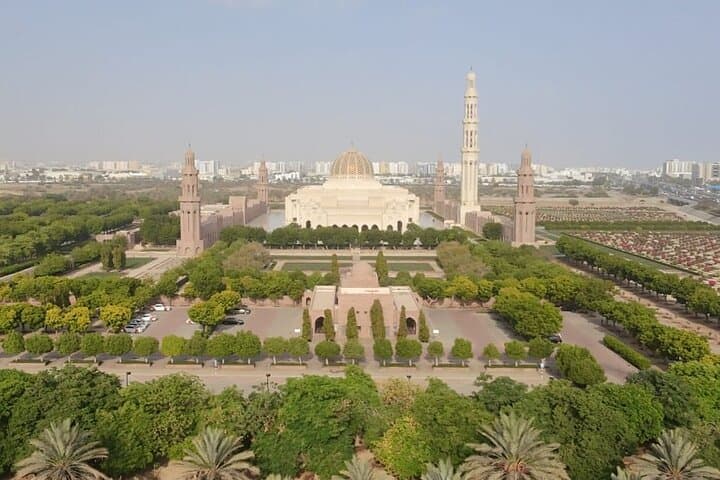
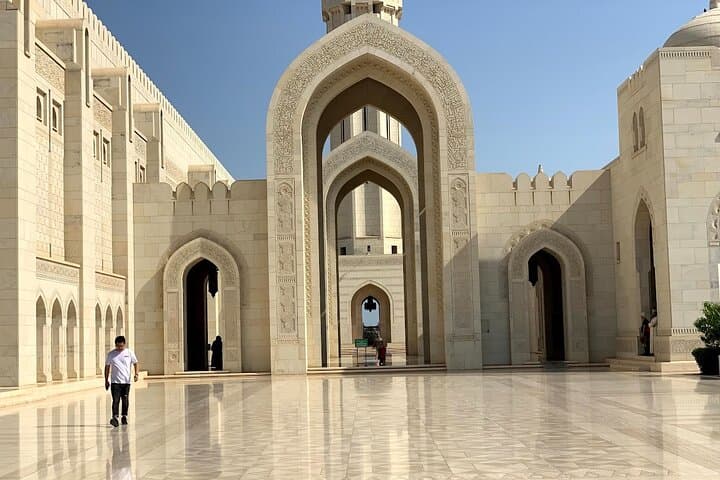
Muscat’s compact center is both modern capital and living archive. The Sultan Qaboos Grand Mosque — completed in 2001 — showcases contemporary Islamic craftsmanship, while Mutrah Souq preserves trade routes that helped Oman connect to Persia and India for centuries. Al Alam Palace and Bait Al Zubair tell stories of ruling dynasties and tribal heritage rather than dramatic geological shifts; the coastline’s rugged limestone and nearby Hajar foothills explain why the city’s ports developed where they did.
The tour balances museum-viewing with outdoor moments: expect short walks on paved lanes, glimpses of fisherfolk at the corniche, and patterned facades that reward a steady camera hand. Practicalities matter — modest dress is required for mosque visits, comfortable shoes make souq lanes easier, and mid-day heat is intense in summer.
Plan morning or late-afternoon departures to avoid peak sun. Bring a water bottle (bottled water is usually provided), a lightweight scarf for mosque entrances, and small local currency for souq purchases. The pace is gentle but dense: use the time to ask about local crafts, sample frankincense-scented stalls, and leave space to simply watch the Gulf roll against the harbor walls.
easy.
4 hours.
Suitable for most adults able to walk short distances and stand for museum visits
Yes; non-Muslim visitors are welcome during set visiting hours but must follow dress and behavior rules — women should cover their heads and everyone should wear modest clothing.
Expect short, gentle walks at each stop — typically under 1 km cumulatively, with paved surfaces and occasional steps.
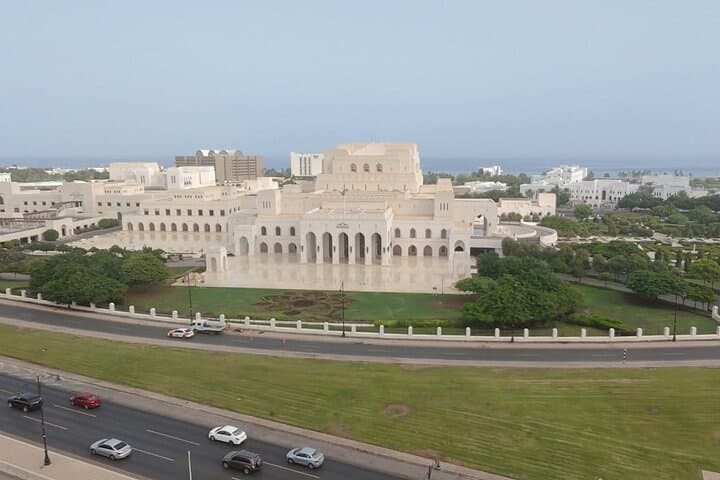
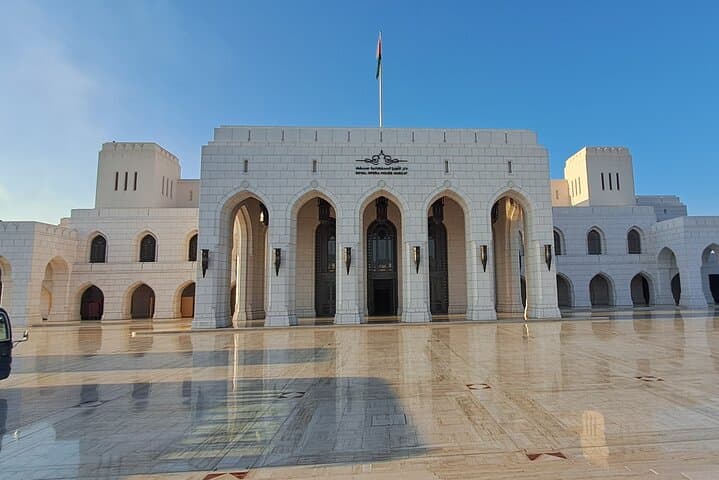
The mosque visit is generally included; some sites like the Royal Opera House may not include internal admission depending on scheduling — check the tour details ahead of time.
Many main stops have wheelchair access or nearby viewpoints, but souq alleys and some heritage buildings have uneven surfaces — check with the operator for specific accessibility needs.
Muscat’s strategic port dates back centuries as an Omani mercantile hub connecting Arabia to East Africa, Persia and the Indian subcontinent; many city landmarks reflect that maritime and tribal history.
Tour operators emphasize low-impact visits in heritage zones; visitors are encouraged to avoid littering, respect mosque protocols, and support local craftspeople to help sustain traditional economies.
Choolo Tour By Nasser operates guided outdoor trips and adventures with an emphasis on safety, stewardship, and memorable experiences.
You step out of a shaded SUV and the salt-sweet wind from the Gulf of Oman pushes across the stone quay, pulling your attention to a skyline of white domes and low fort walls. In four hours the city opens in focused scenes: the hush of a carpeted prayer hall, a maze of spice-laden lanes, and a ceremonial palace framed by manicured lawns.
You step out of a shaded SUV and the salt-sweet wind from the Gulf of Oman pushes across the stone quay, pulling your attention to a skyline of white domes and low fort walls. In four hours the city opens in focused scenes: the hush of a carpeted prayer hall, a maze of spice-laden lanes, and a ceremonial palace framed by manicured lawns.
Muscat’s compact center is both modern capital and living archive. The Sultan Qaboos Grand Mosque — completed in 2001 — showcases contemporary Islamic craftsmanship, while Mutrah Souq preserves trade routes that helped Oman connect to Persia and India for centuries. Al Alam Palace and Bait Al Zubair tell stories of ruling dynasties and tribal heritage rather than dramatic geological shifts; the coastline’s rugged limestone and nearby Hajar foothills explain why the city’s ports developed where they did.
The tour balances museum-viewing with outdoor moments: expect short walks on paved lanes, glimpses of fisherfolk at the corniche, and patterned facades that reward a steady camera hand. Practicalities matter — modest dress is required for mosque visits, comfortable shoes make souq lanes easier, and mid-day heat is intense in summer.
Plan morning or late-afternoon departures to avoid peak sun. Bring a water bottle (bottled water is usually provided), a lightweight scarf for mosque entrances, and small local currency for souq purchases. The pace is gentle but dense: use the time to ask about local crafts, sample frankincense-scented stalls, and leave space to simply watch the Gulf roll against the harbor walls.