THE ADVENTURE COLLECTIVE® · Independent discovery and booking for outdoor travel

Spend a compact half day moving between Palermo’s capuchin catacombs and Monreale’s gilded cathedral. This private tour pairs stark funerary history with one of Sicily’s richest examples of Arab‑Norman mosaic work.
Spend a compact half day moving between Palermo’s capuchin catacombs and Monreale’s gilded cathedral. This private tour pairs stark funerary history with one of Sicily’s richest examples of Arab‑Norman mosaic work.
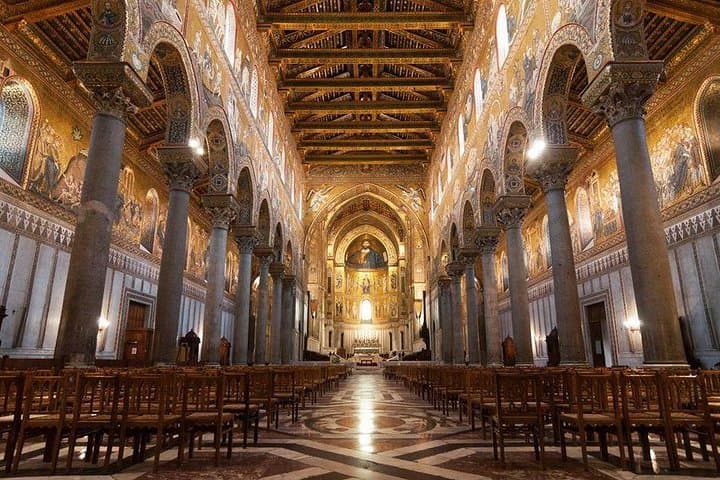
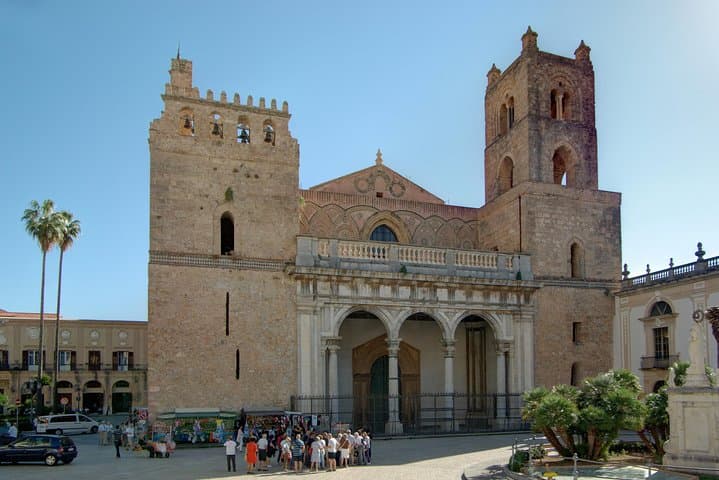
You step out of an air-conditioned van onto a sun-warmed piazza and the gold of Monreale’s cathedral catches the light like a directive — its mosaics glance back with saints and small scenes that have watched centuries pass.
Verified experiences and guided adventures in the surrounding area.
Operated by Alex Travel · Palermo, Sicily
You step out of an air-conditioned van onto a sun-warmed piazza and the gold of Monreale’s cathedral catches the light like a directive — its mosaics glance back with saints and small scenes that have watched centuries pass.
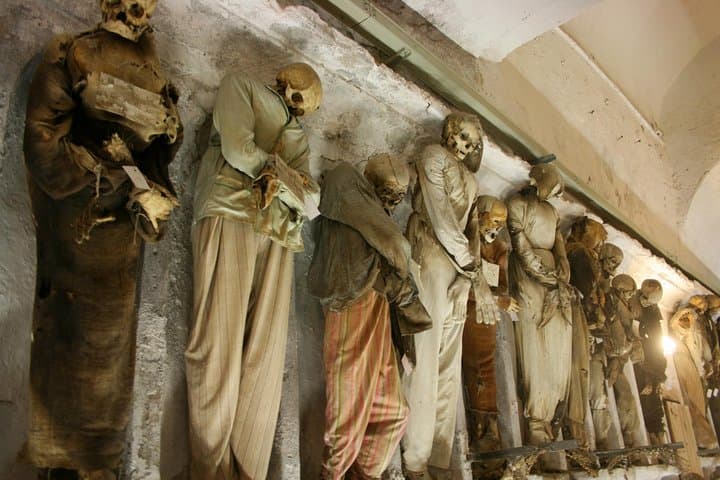
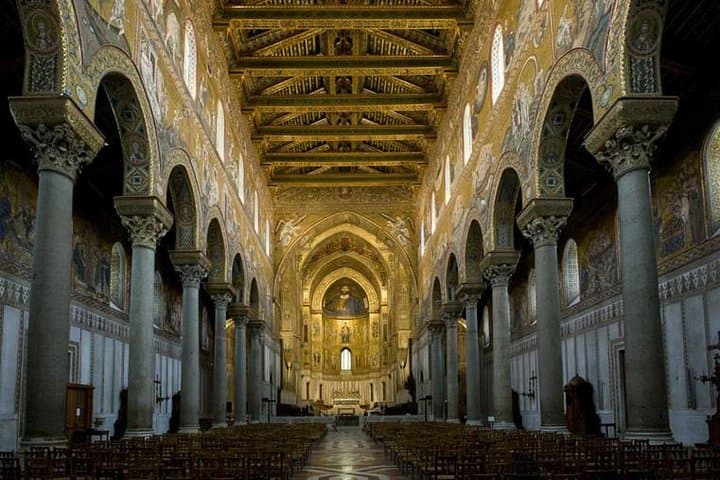
The short route links Palermo’s Capuchin Catacombs — a somber underground archive of local life — with the sweeping viewpoints and Arab-Norman artistry of Monreale Cathedral and the adjacent Benedictine cloister. The cathedral, completed in the 12th century, is a clear example of Sicily’s layered history: Norman rulers, Byzantine craftsmen, and Islamic artistic influence combined to create the cathedral’s vast mosaics and inlaid marble floors. The cloister’s carved capitals read like an illustrated ledger of medieval craft.
Geology here is close to the surface: the Conca d’Oro plain unfurls below Monreale, offering soil-streaked terraces and limestone outcrops that shaped medieval building stone and circulation routes. Palermo’s catacombs reflect social history — a macabre but candid record of local devotion and burial practice from the Renaissance to the 19th century.
Practical guidance: this is a compact, mostly low-impact half-day private tour (3–4 hours) with short walks and stair sections in the cloister and catacombs. Wear supportive shoes for stone steps; carry a light layer for cooler underground spaces and respectful clothing for religious sites (shoulders and knees covered). Midday sun can be strong — bring water and sun protection. Photos are usually allowed in Monreale but check onsite restrictions in the Capuchin area. Timing your visit for late morning or late afternoon reduces coach crowds and lets the mosaics read best in slanted light.
easy.
3–4 hours.
Suitable for most fitness levels; requires short sections of standing and climbing stairs.
The tour runs about 3–4 hours (180–240 minutes), typically including transport time between Palermo and Monreale.
Admission to Monreale Cathedral is included on many offerings; check your booking details — the Capuchin catacombs may have a separate entry fee or local regulations.
The van and walking routes are family-friendly, but the catacombs have low ceilings and uneven surfaces that make them less suitable for strollers and very young children.
Photography is generally allowed in Monreale, but flash or tripods may be restricted; the Capuchin site may have stricter rules out of respect for human remains, so follow onsite signage.
Monreale Cathedral is a 12th‑century Arab‑Norman creation decorated with expansive Byzantine mosaics; Palermo’s Capuchin catacombs reflect burial practices and social status from the Renaissance through the 1800s.
High visitor numbers can strain fragile mosaics and cloister stonework; follow barriers and local guidance, avoid touching mosaics, and use marked paths to reduce wear.
Alex Travel operates guided outdoor trips and adventures with an emphasis on safety, stewardship, and memorable experiences.
You step out of an air-conditioned van onto a sun-warmed piazza and the gold of Monreale’s cathedral catches the light like a directive — its mosaics glance back with saints and small scenes that have watched centuries pass.
You step out of an air-conditioned van onto a sun-warmed piazza and the gold of Monreale’s cathedral catches the light like a directive — its mosaics glance back with saints and small scenes that have watched centuries pass.
The short route links Palermo’s Capuchin Catacombs — a somber underground archive of local life — with the sweeping viewpoints and Arab-Norman artistry of Monreale Cathedral and the adjacent Benedictine cloister. The cathedral, completed in the 12th century, is a clear example of Sicily’s layered history: Norman rulers, Byzantine craftsmen, and Islamic artistic influence combined to create the cathedral’s vast mosaics and inlaid marble floors. The cloister’s carved capitals read like an illustrated ledger of medieval craft.
Geology here is close to the surface: the Conca d’Oro plain unfurls below Monreale, offering soil-streaked terraces and limestone outcrops that shaped medieval building stone and circulation routes. Palermo’s catacombs reflect social history — a macabre but candid record of local devotion and burial practice from the Renaissance to the 19th century.
Practical guidance: this is a compact, mostly low-impact half-day private tour (3–4 hours) with short walks and stair sections in the cloister and catacombs. Wear supportive shoes for stone steps; carry a light layer for cooler underground spaces and respectful clothing for religious sites (shoulders and knees covered). Midday sun can be strong — bring water and sun protection. Photos are usually allowed in Monreale but check onsite restrictions in the Capuchin area. Timing your visit for late morning or late afternoon reduces coach crowds and lets the mosaics read best in slanted light.