THE ADVENTURE COLLECTIVE® · Independent discovery and booking for outdoor travel

Walk across an island where sea and shrine meet. This private half-day tour with a local guide combines the floating torii, Daisho-in Temple, Omotesando flavors, and optional Mt. Misen views for a compact, customizable Miyajima experience.
Walk across an island where sea and shrine meet. This private half-day tour with a local guide combines the floating torii, Daisho-in Temple, Omotesando flavors, and optional Mt. Misen views for a compact, customizable Miyajima experience.
A late-morning ferry slices across the Seto Inland Sea and you step onto Miyajima with salt on your jacket and the island’s deer eyeing your every move. The iconic vermilion torii appears and disappears with the tide, a wooden doorway that seems to judge the ocean’s mood and invite you in.
Verified experiences and guided adventures in the surrounding area.
Operated by Local GemTour Japan · Hatsukaichi, Hiroshima Prefecture
A late-morning ferry slices across the Seto Inland Sea and you step onto Miyajima with salt on your jacket and the island’s deer eyeing your every move. The iconic vermilion torii appears and disappears with the tide, a wooden doorway that seems to judge the ocean’s mood and invite you in.
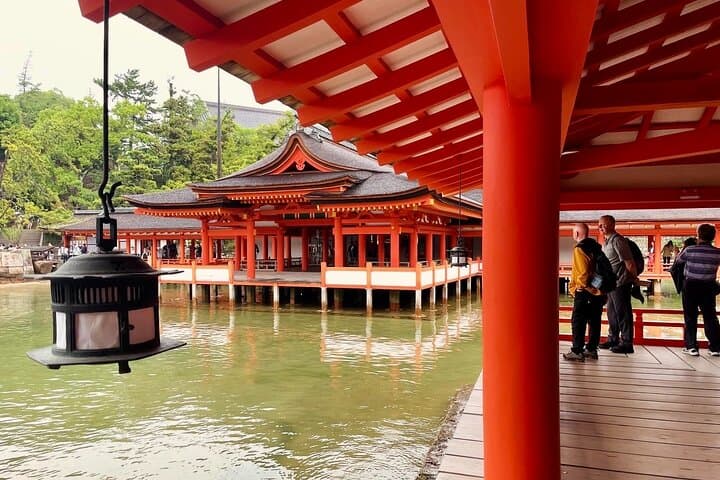
This compact island has been sacred since at least the Heian era; Itsukushima Shrine’s raised walkways and open halls were designed to float with the sea, blurring shore and sanctuary. Geologically, Miyajima is steep and volcanic in profile—Mount Misen dominates the interior with granitic ridges and a network of trails that afford sweeping views back to Hiroshima Bay. Culturally, the island mixes Shinto ritual (shrine dances, weddings) with lively street food along Omotesando—oysters, conger eel bowls and freshly steamed momiji manju.
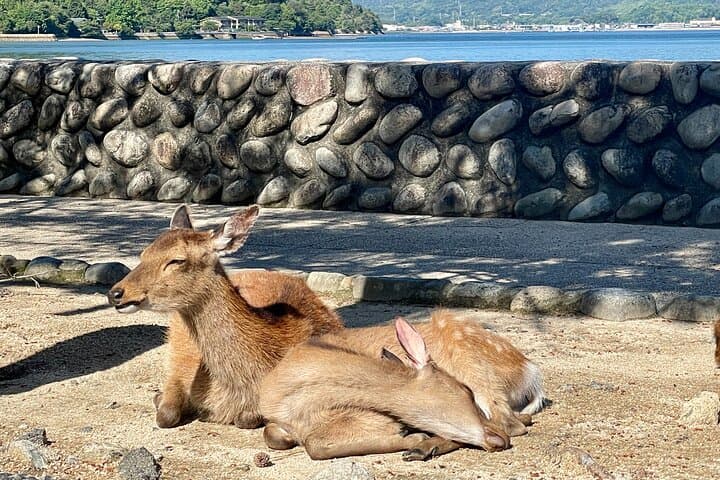
On a private half-day tour, a local host stitches together the high points: the torii at tide-change, the UNESCO-registered shrine, Daisho-in Temple’s secret stairways, and a stroll through the arcade of workshops and snack stalls. Expect light walking, some steps, and the chance to see deer behaving like island stewards.
Practical notes: ferries and trains connect Miyajima to Hiroshima in roughly an hour; entrance to Itsukushima Shrine is often included but transportation is usually not. Time your visit around high or low tide depending whether you want the torii floating or walkable. Bring layered clothing for coastal winds, cash for small shops, and a camera with a fast shutter—the light here shifts as readily as the tide.
easy.
5 hours.
Suitable for travelers who can walk 2–4 miles on varied surfaces and climb short sets of stairs.
Most visitors take a 25–30 minute JR train to Miyajimaguchi followed by a 10-minute ferry; some direct boats reduce travel time—expect about 1 hour total door-to-door.
Yes—this private tour is listed as stroller- and wheelchair-accessible, though some shrine areas and steep streets have steps; notify the guide of mobility needs in advance.
Entrance to Itsukushima Shrine is commonly included in the tour package, but transportation (ferry/train) is usually paid by the guest unless otherwise arranged—confirm at booking.
You can include a short Misen hike if time and weather permit, but a full summit hike requires additional time; your private guide will customize the itinerary based on your interests.
Itsukushima Shrine dates back to the Heian period and was developed with elevated architecture so worship could occur from boats as well as land; it’s a UNESCO World Heritage Site.
The island manages visitor flow to protect wooden structures and forests—avoid feeding deer, pack out waste, and stick to marked paths to limit erosion.
Local GemTour Japan operates guided outdoor trips and adventures with an emphasis on safety, stewardship, and memorable experiences.
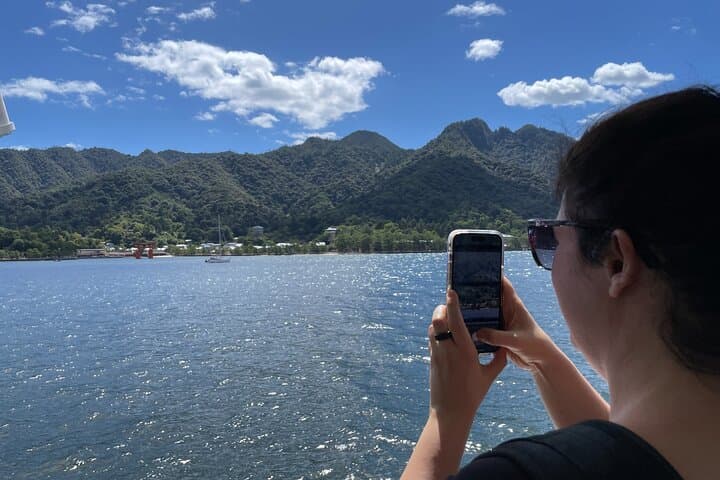
A late-morning ferry slices across the Seto Inland Sea and you step onto Miyajima with salt on your jacket and the island’s deer eyeing your every move. The iconic vermilion torii appears and disappears with the tide, a wooden doorway that seems to judge the ocean’s mood and invite you in.
A late-morning ferry slices across the Seto Inland Sea and you step onto Miyajima with salt on your jacket and the island’s deer eyeing your every move. The iconic vermilion torii appears and disappears with the tide, a wooden doorway that seems to judge the ocean’s mood and invite you in.
This compact island has been sacred since at least the Heian era; Itsukushima Shrine’s raised walkways and open halls were designed to float with the sea, blurring shore and sanctuary. Geologically, Miyajima is steep and volcanic in profile—Mount Misen dominates the interior with granitic ridges and a network of trails that afford sweeping views back to Hiroshima Bay. Culturally, the island mixes Shinto ritual (shrine dances, weddings) with lively street food along Omotesando—oysters, conger eel bowls and freshly steamed momiji manju.
On a private half-day tour, a local host stitches together the high points: the torii at tide-change, the UNESCO-registered shrine, Daisho-in Temple’s secret stairways, and a stroll through the arcade of workshops and snack stalls. Expect light walking, some steps, and the chance to see deer behaving like island stewards.
Practical notes: ferries and trains connect Miyajima to Hiroshima in roughly an hour; entrance to Itsukushima Shrine is often included but transportation is usually not. Time your visit around high or low tide depending whether you want the torii floating or walkable. Bring layered clothing for coastal winds, cash for small shops, and a camera with a fast shutter—the light here shifts as readily as the tide.