THE ADVENTURE COLLECTIVE® · Independent discovery and booking for outdoor travel

Escape Nairobi for five hours and encounter flamingo-studded shores, steaming geothermal fields and a crater-edge hike. This half-day mini safari combines Lake Naivasha’s wildlife with the volcanic drama of Mt. Longonot and the walkable wildlife of Crescent Island.
Escape Nairobi for five hours and encounter flamingo-studded shores, steaming geothermal fields and a crater-edge hike. This half-day mini safari combines Lake Naivasha’s wildlife with the volcanic drama of Mt. Longonot and the walkable wildlife of Crescent Island.
You pull out of Nairobi before dawn and the road to Naivasha unspools like a promise: highland air cooling the windows, the Rift Valley dropping away to lakes and scarred volcanic ridges. By the time the van hugs the rim above Lake Naivasha, a pale band of flamingos dots the shoreline and hippos breathe slow puffs into the surface. The day moves fast — Olkaria’s steam vents hissing like a city’s mechanical heart, a short boat hop to Crescent Island where impala and zebra regard human visitors with mild curiosity, a brisk climb on Mt. Longonot’s crater rim, and a walk or cycle into Hell’s Gate’s red-rock gorges.
Verified experiences and guided adventures in the surrounding area.
Operated by Opatrip.com Kenya · Naivasha, Nakuru County
You pull out of Nairobi before dawn and the road to Naivasha unspools like a promise: highland air cooling the windows, the Rift Valley dropping away to lakes and scarred volcanic ridges. By the time the van hugs the rim above Lake Naivasha, a pale band of flamingos dots the shoreline and hippos breathe slow puffs into the surface. The day moves fast — Olkaria’s steam vents hissing like a city’s mechanical heart, a short boat hop to Crescent Island where impala and zebra regard human visitors with mild curiosity, a brisk climb on Mt. Longonot’s crater rim, and a walk or cycle into Hell’s Gate’s red-rock gorges.
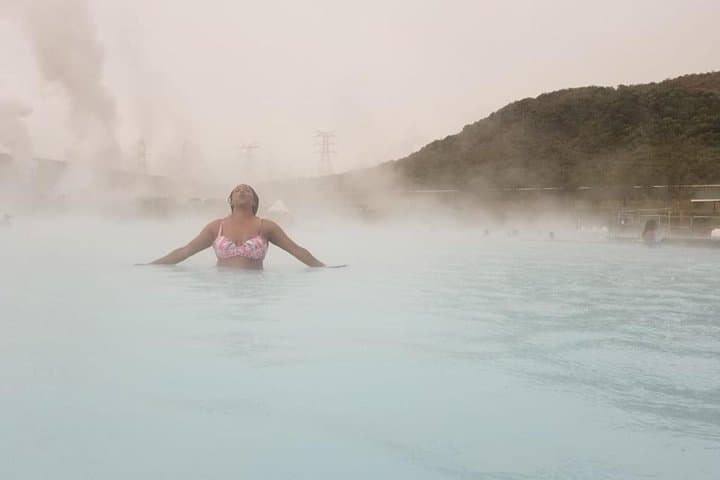
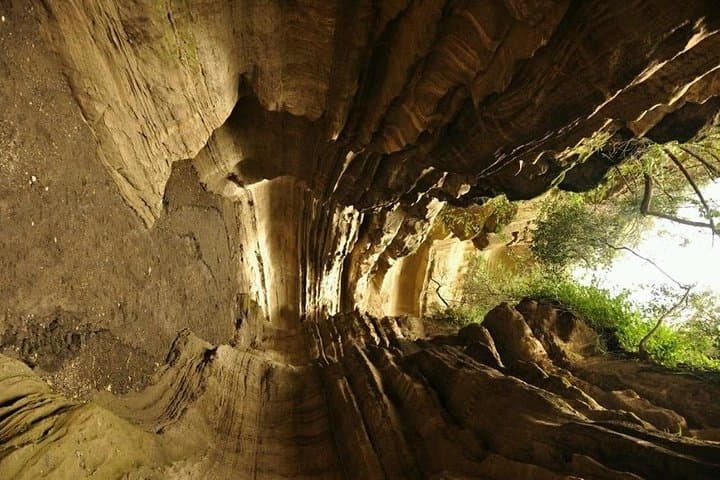
Geology here reads like a field guide to the Rift. Longonot is a stratovolcano whose 6–7 km crater rim trail delivers roughly 350–400 m of gain; the wind presses on you across basalt and pumice. Olkaria’s geothermal fields are the visible aftermath of the same tectonic forces — steam and rusty soils marking heat close to the surface. Culturally, Naivasha is both farming hub and gateway: flower farms stretch from the lakeshore to greenhouses that export Kenyan blooms worldwide, while Maasai and Kikuyu communities maintain connections to the land and its stories — some sites around Hell’s Gate carry recorded oral histories and stone tool finds.
Expect variety in terrain: compact dirt tracks on Crescent Island, paved sections around Olkaria, loose scree on Longonot’s approach, and narrow canyon floors in Hell’s Gate that may require short scrambles.
Practical guidance: the full half-day runs about five hours with 30–60 minute stops at key points; allow for 90 minutes transport each way from Nairobi depending on traffic. The Longonot rim loop is ~6 km and the most strenuous segment — wear grippy hiking shoes and bring 1–1.5 liters of water. Sun protection is essential; temperatures can swing from cool mornings to hot midday under an open sky. If you opt for Crescent Island’s boat transfer, have a light windproof layer — lake breezes can be sharp. Guides provide transfers, snacks and local insight; tipping guides and boat crews (5–10% of tour cost) is customary.
Wildlife viewing is relaxed but rewarding: flamingos and hippos dominate the lake scenes, while Crescent Island offers close-up encounters with grazing antelope. Hell’s Gate invites climbers and cyclists into a landscape of towering cliffs and thermal features — move deliberately near geothermal vents and respect signage.
Logistics snapshot: moderate fitness required, basic trail navigation aided by guides, mobile or paper tickets accepted, hotel pick-up available in Nairobi and Naivasha. In five hours you’ll see Rift Valley geology, geothermal power in action, crater-top panoramas and the lake’s wildlife — a compressed but complete introduction to why Naivasha keeps pulling visitors out of the city and into this land that still feels alive underfoot.
moderate.
5 hours.
Moderate—able to manage a 6–7 km crater loop with ~350–400 m elevation gain and short walks on uneven terrain.
Drive time is typically 1.5–2 hours each way depending on traffic; the tour itself runs about five hours including stops.
You take a short boat transfer to Crescent Island, then explore on foot among grazing wildlife; boats run both ways with guides coordinating times.
You should have moderate fitness—the crater rim is roughly a 6–7 km loop with 350–400 m of ascent and uneven surfaces.
The tour includes water, snacks and lunch as listed in the inclusions—confirm dietary needs when booking.
Hippos are territorial—observe from the boat or shoreline at your guide’s instruction and never approach them on foot.
Yes—Lake Naivasha regularly hosts flamingo flocks, especially in shallow, saline areas; sightings depend on water levels and season.
The Rift Valley around Naivasha has long been a corridor for human settlement; archaeological finds and oral histories link the area to pastoral communities and early trade routes.
Lake levels and habitat have been affected by irrigation and farming; choose operators who support sustainable water use and respect wildlife buffers.
Opatrip.com Kenya operates guided outdoor trips and adventures with an emphasis on safety, stewardship, and memorable experiences.
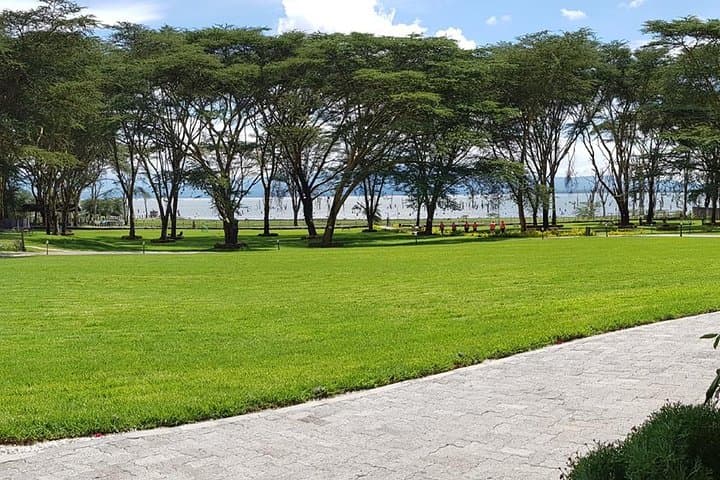
You pull out of Nairobi before dawn and the road to Naivasha unspools like a promise: highland air cooling the windows, the Rift Valley dropping away to lakes and scarred volcanic ridges. By the time the van hugs the rim above Lake Naivasha, a pale band of flamingos dots the shoreline and hippos breathe slow puffs into the surface. The day moves fast — Olkaria’s steam vents hissing like a city’s mechanical heart, a short boat hop to Crescent Island where impala and zebra regard human visitors with mild curiosity, a brisk climb on Mt. Longonot’s crater rim, and a walk or cycle into Hell’s Gate’s red-rock gorges.
You pull out of Nairobi before dawn and the road to Naivasha unspools like a promise: highland air cooling the windows, the Rift Valley dropping away to lakes and scarred volcanic ridges. By the time the van hugs the rim above Lake Naivasha, a pale band of flamingos dots the shoreline and hippos breathe slow puffs into the surface. The day moves fast — Olkaria’s steam vents hissing like a city’s mechanical heart, a short boat hop to Crescent Island where impala and zebra regard human visitors with mild curiosity, a brisk climb on Mt. Longonot’s crater rim, and a walk or cycle into Hell’s Gate’s red-rock gorges.
Geology here reads like a field guide to the Rift. Longonot is a stratovolcano whose 6–7 km crater rim trail delivers roughly 350–400 m of gain; the wind presses on you across basalt and pumice. Olkaria’s geothermal fields are the visible aftermath of the same tectonic forces — steam and rusty soils marking heat close to the surface. Culturally, Naivasha is both farming hub and gateway: flower farms stretch from the lakeshore to greenhouses that export Kenyan blooms worldwide, while Maasai and Kikuyu communities maintain connections to the land and its stories — some sites around Hell’s Gate carry recorded oral histories and stone tool finds.
Expect variety in terrain: compact dirt tracks on Crescent Island, paved sections around Olkaria, loose scree on Longonot’s approach, and narrow canyon floors in Hell’s Gate that may require short scrambles.
Practical guidance: the full half-day runs about five hours with 30–60 minute stops at key points; allow for 90 minutes transport each way from Nairobi depending on traffic. The Longonot rim loop is ~6 km and the most strenuous segment — wear grippy hiking shoes and bring 1–1.5 liters of water. Sun protection is essential; temperatures can swing from cool mornings to hot midday under an open sky. If you opt for Crescent Island’s boat transfer, have a light windproof layer — lake breezes can be sharp. Guides provide transfers, snacks and local insight; tipping guides and boat crews (5–10% of tour cost) is customary.
Wildlife viewing is relaxed but rewarding: flamingos and hippos dominate the lake scenes, while Crescent Island offers close-up encounters with grazing antelope. Hell’s Gate invites climbers and cyclists into a landscape of towering cliffs and thermal features — move deliberately near geothermal vents and respect signage.
Logistics snapshot: moderate fitness required, basic trail navigation aided by guides, mobile or paper tickets accepted, hotel pick-up available in Nairobi and Naivasha. In five hours you’ll see Rift Valley geology, geothermal power in action, crater-top panoramas and the lake’s wildlife — a compressed but complete introduction to why Naivasha keeps pulling visitors out of the city and into this land that still feels alive underfoot.