THE ADVENTURE COLLECTIVE® · Independent discovery and booking for outdoor travel

A focused five-hour afternoon tour that combines panoramic Meteora viewpoints, visits inside three cliff-top monasteries, hidden hermit caves, and a relaxed lunch stop in Kastraki. Ideal for travelers based in Kalambaka or arriving by train from Athens.
A focused five-hour afternoon tour that combines panoramic Meteora viewpoints, visits inside three cliff-top monasteries, hidden hermit caves, and a relaxed lunch stop in Kastraki. Ideal for travelers based in Kalambaka or arriving by train from Athens.
You step off the shuttle at Kalambaka train station and the rocks are already there—vertical, weathered columns of sandstone that catch late-afternoon light and dare you to look up. The guide gathers the group and leads you along switchback paths toward the first monastery, where bell towers and carved stone seem strapped to the cliff face.
Verified experiences and guided adventures in the surrounding area.
Operated by Visit Meteora · Kalambaka, Thessaly
You step off the shuttle at Kalambaka train station and the rocks are already there—vertical, weathered columns of sandstone that catch late-afternoon light and dare you to look up. The guide gathers the group and leads you along switchback paths toward the first monastery, where bell towers and carved stone seem strapped to the cliff face.
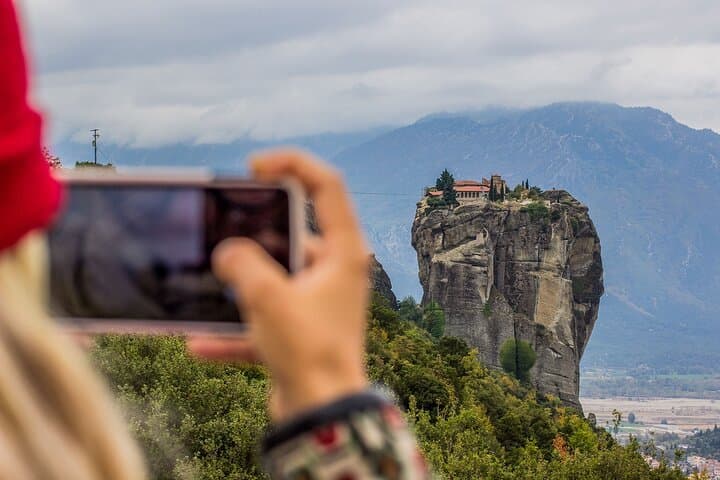
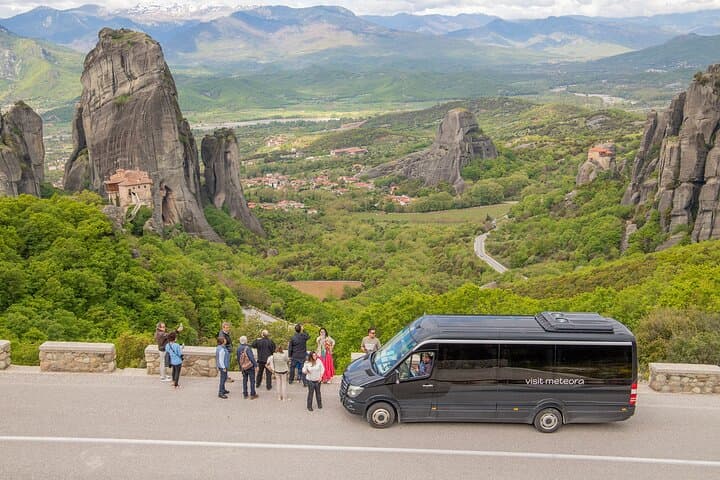
Meteora’s pillars were shaped by millions of years of riverine erosion and seismic uplift; monks arrived in the 14th century and turned these natural towers into places of retreat and frescoed prayer. Saint Athanasios founded the Great Meteoron here, and nearby Varlaam and smaller hermitages preserve Byzantine frescoes and monastic crafts. The tour takes you inside three monasteries and into hidden hermit caves, with photo stops that frame the plain below and the village of Kastraki clustered at the rocks’ bases.
Practicalities are straightforward: the half-day runs about five hours, starts and ends at Kalambaka train station, and includes a lunch stop in Kastraki. Expect uneven stone steps (some climbs of roughly 100–150 steps to reach certain sites), modest dress is enforced for interior visits, and the terrain can be hot and exposed in summer. Wear sturdy shoes for stone steps, carry water and sun protection, and give yourself time to move between viewpoints—winds can gust across the cliffs and shift the light within minutes. For anyone short on time, the guided rhythm of this tour balances cultural context, geology, and classic Meteora panoramas into a compact afternoon.
easy.
5 hours.
Suitable for most visitors who can manage short climbs and staircases; minimal sustained exertion but stair-climbing ability recommended.
Yes—the itinerary includes interior visits to three monasteries and nearby hermit caves; visitors should respect dress codes and photography rules inside.
An optional Athens transfer is offered—confirm timing and meeting points when booking; otherwise many travelers reach Kalambaka by rail or arrange local pickup.
Access involves stone steps, narrow paths, and uneven surfaces; wheelchairs and strollers are generally not suitable—contact the operator for specifics about each site.
The tour description states visits inside three monasteries—check with the operator at booking for any local entrance fees, which can change seasonally.
Meteora became a major monastic center in the 14th–16th centuries; monks used ropes, ladders and later steps to access cliff-top monasteries, creating one of Greece’s most unique Byzantine sites.
Visitor numbers are managed at key monasteries to protect fragile frescoes and cliff-top habitats; stick to designated paths and avoid littering to reduce erosion and cultural impact.
Visit Meteora operates guided outdoor trips and adventures with an emphasis on safety, stewardship, and memorable experiences.
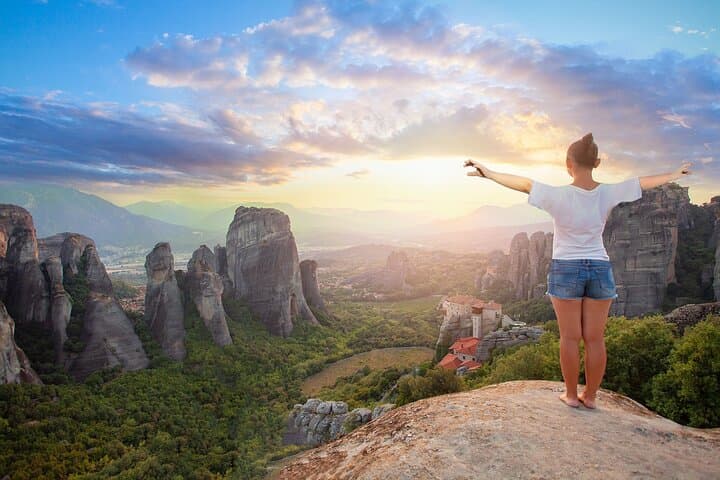
You step off the shuttle at Kalambaka train station and the rocks are already there—vertical, weathered columns of sandstone that catch late-afternoon light and dare you to look up. The guide gathers the group and leads you along switchback paths toward the first monastery, where bell towers and carved stone seem strapped to the cliff face.
You step off the shuttle at Kalambaka train station and the rocks are already there—vertical, weathered columns of sandstone that catch late-afternoon light and dare you to look up. The guide gathers the group and leads you along switchback paths toward the first monastery, where bell towers and carved stone seem strapped to the cliff face.
Meteora’s pillars were shaped by millions of years of riverine erosion and seismic uplift; monks arrived in the 14th century and turned these natural towers into places of retreat and frescoed prayer. Saint Athanasios founded the Great Meteoron here, and nearby Varlaam and smaller hermitages preserve Byzantine frescoes and monastic crafts. The tour takes you inside three monasteries and into hidden hermit caves, with photo stops that frame the plain below and the village of Kastraki clustered at the rocks’ bases.
Practicalities are straightforward: the half-day runs about five hours, starts and ends at Kalambaka train station, and includes a lunch stop in Kastraki. Expect uneven stone steps (some climbs of roughly 100–150 steps to reach certain sites), modest dress is enforced for interior visits, and the terrain can be hot and exposed in summer. Wear sturdy shoes for stone steps, carry water and sun protection, and give yourself time to move between viewpoints—winds can gust across the cliffs and shift the light within minutes. For anyone short on time, the guided rhythm of this tour balances cultural context, geology, and classic Meteora panoramas into a compact afternoon.