THE ADVENTURE COLLECTIVE® · Independent discovery and booking for outdoor travel

Learn monofin swimming and basic freediving techniques off Tenerife’s southern coast. This three-hour session pairs breathwork, safety drills, and underwater photos for beginners and curious swimmers.
Learn monofin swimming and basic freediving techniques off Tenerife’s southern coast. This three-hour session pairs breathwork, safety drills, and underwater photos for beginners and curious swimmers.
On a wind-softened morning along Tenerife’s southern shore, the Atlantic nudges at the rocks and the water smells like salt and basalt. Participants gather on black volcanic sand or a concrete quay, slip into neoprene, and strap into a single monofin; instructors brief breathwork and equalization before the group eases into the blue. The sea doesn’t merely hold you — it challenges and invites, pushing a steady current that asks for respect.
Verified experiences and guided adventures in the surrounding area.
Operated by Meerjungfrau Apnoe Akademie · Costa Adeje, Santa Cruz de Tenerife
On a wind-softened morning along Tenerife’s southern shore, the Atlantic nudges at the rocks and the water smells like salt and basalt. Participants gather on black volcanic sand or a concrete quay, slip into neoprene, and strap into a single monofin; instructors brief breathwork and equalization before the group eases into the blue. The sea doesn’t merely hold you — it challenges and invites, pushing a steady current that asks for respect.
Tenerife is volcanic—layers of lava and ash built the island over millions of years—and its reefs and submerged cliffs host an array of marine life shaped by that geology. The island’s coastal culture blends Canarian fishing traditions with modern dive tourism; freediving here follows a lineage of local spearfishers adapted into sport and education.
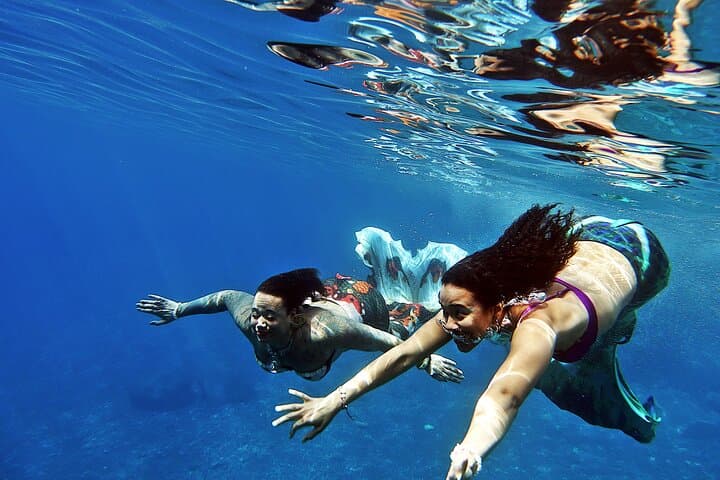
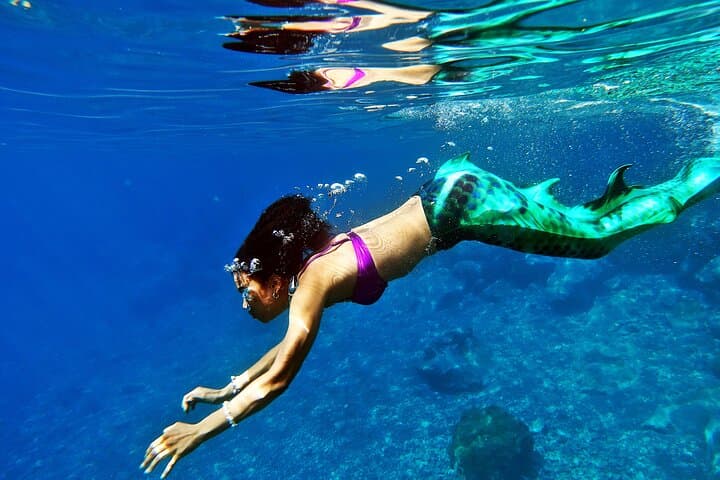
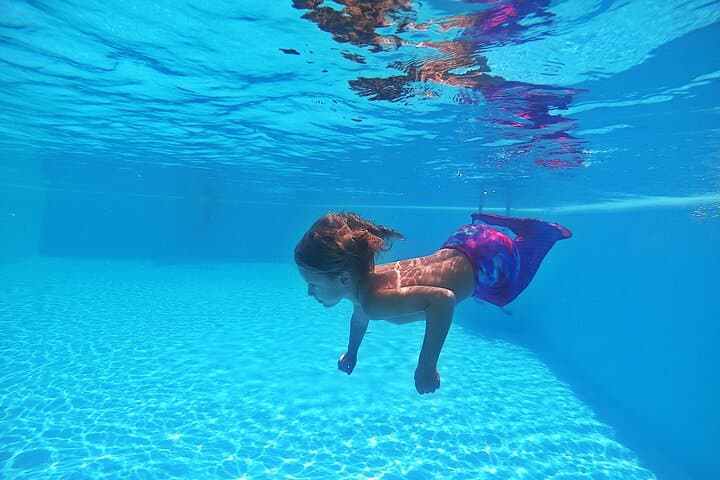
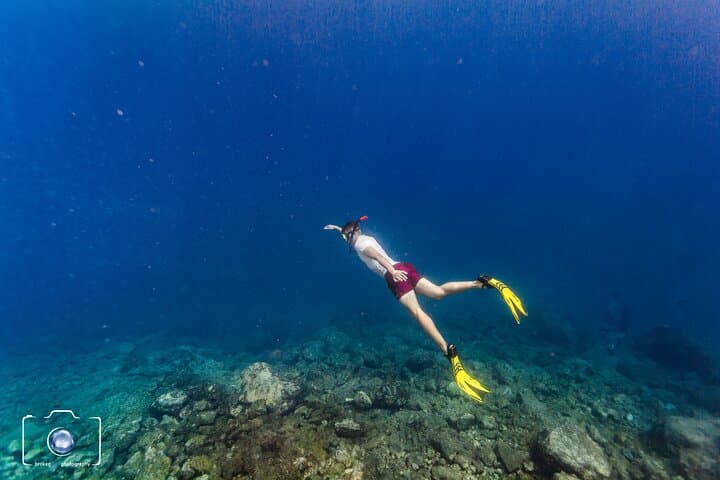
Expect hands-on coaching: monofin technique, apnea breathing, pressure equalization, and underwater posing for photos. Trainers accompany first dives and document your progress, so beginners can safely experience longer breath-holds while more confident swimmers refine form.
Practically, plan for a three-hour session that includes surface briefings, gear fitting, and several short dives. Wear a swimsuit under a supplied wetsuit if you get cold; use reef-safe sunscreen and follow instructions on equalization and buddy protocols. Timing matters—calm mornings yield cleaner water and better visibility. If you want photos, communicate with instructors before descent to frame shots and reduce wasted dives.
This half-day mix of playful mermaiding and technical apnea gives both a visceral introduction to breath-hold diving and a clear path to progress if you choose to pursue freediving further.
easy.
3 hours.
Suitable for people with basic swimming ability and good general health; light cardiovascular fitness helps but intense conditioning is not required.
No—this program is designed for beginners; instructors teach breathing, equalization and safe descent techniques before entering the water.
Yes, guided sessions typically include underwater photos taken by instructors or guides as part of the activity.
Children are often welcome but check age bands when booking; travelers with heart or respiratory conditions or who are pregnant should not participate.
Tours may be canceled or rescheduled if conditions are unsafe; operators generally monitor swell and wind and provide refunds if canceled 24 hours ahead.
Tenerife’s coastline reflects the island’s volcanic origins and the legacy of the Guanches, the indigenous people who relied on coastal resources long before tourism reshaped the shore.
Operators encourage reef-safe sunscreen, no-touch policies, and limited group sizes to reduce disturbance; consider asking about their local conservation practices before booking.
Meerjungfrau Apnoe Akademie operates guided outdoor trips and adventures with an emphasis on safety, stewardship, and memorable experiences.
On a wind-softened morning along Tenerife’s southern shore, the Atlantic nudges at the rocks and the water smells like salt and basalt. Participants gather on black volcanic sand or a concrete quay, slip into neoprene, and strap into a single monofin; instructors brief breathwork and equalization before the group eases into the blue. The sea doesn’t merely hold you — it challenges and invites, pushing a steady current that asks for respect.
On a wind-softened morning along Tenerife’s southern shore, the Atlantic nudges at the rocks and the water smells like salt and basalt. Participants gather on black volcanic sand or a concrete quay, slip into neoprene, and strap into a single monofin; instructors brief breathwork and equalization before the group eases into the blue. The sea doesn’t merely hold you — it challenges and invites, pushing a steady current that asks for respect.
Tenerife is volcanic—layers of lava and ash built the island over millions of years—and its reefs and submerged cliffs host an array of marine life shaped by that geology. The island’s coastal culture blends Canarian fishing traditions with modern dive tourism; freediving here follows a lineage of local spearfishers adapted into sport and education.
Expect hands-on coaching: monofin technique, apnea breathing, pressure equalization, and underwater posing for photos. Trainers accompany first dives and document your progress, so beginners can safely experience longer breath-holds while more confident swimmers refine form.
Practically, plan for a three-hour session that includes surface briefings, gear fitting, and several short dives. Wear a swimsuit under a supplied wetsuit if you get cold; use reef-safe sunscreen and follow instructions on equalization and buddy protocols. Timing matters—calm mornings yield cleaner water and better visibility. If you want photos, communicate with instructors before descent to frame shots and reduce wasted dives.
This half-day mix of playful mermaiding and technical apnea gives both a visceral introduction to breath-hold diving and a clear path to progress if you choose to pursue freediving further.