THE ADVENTURE COLLECTIVE® · Independent discovery and booking for outdoor travel

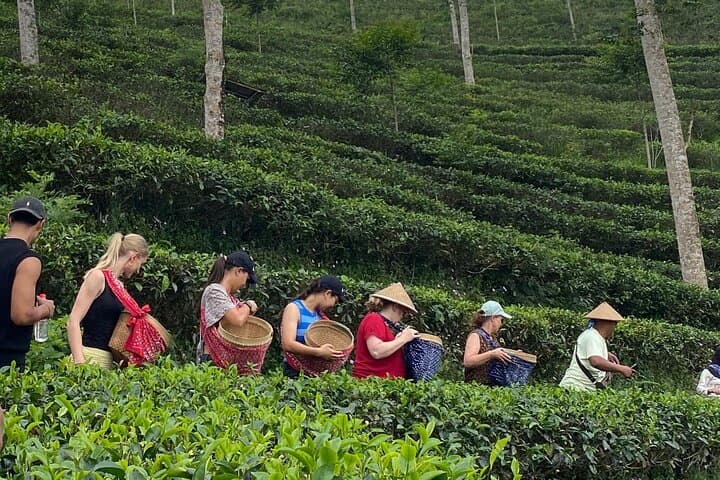
Spend a half day in the Menoreh hills harvesting tea with village growers, watching artisan processing, and enjoying a Javanese lunch and tasting. This easy, hands-on tour combines gentle walking with cultural insights and scenic vistas.
Spend a half day in the Menoreh hills harvesting tea with village growers, watching artisan processing, and enjoying a Javanese lunch and tasting. This easy, hands-on tour combines gentle walking with cultural insights and scenic vistas.
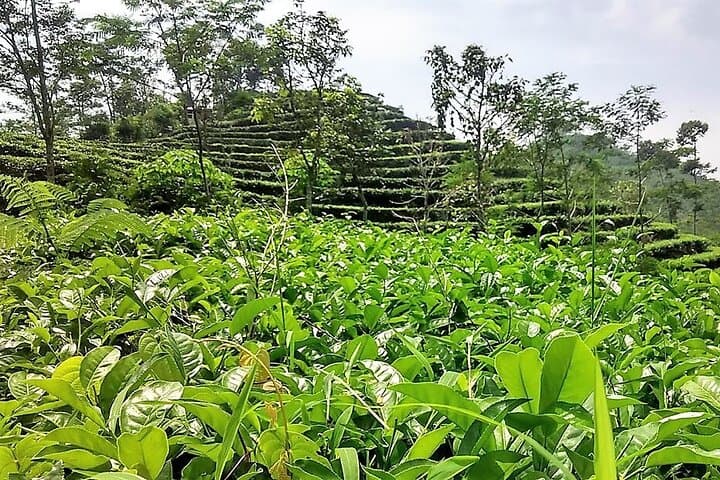
You step off the minivan onto a green slope where neat rows of tea cut through humid air; leaves glint with morning dew and villagers move with deliberate ease. The Menoreh hills welcome you not with fanfare but with a patient, agricultural rhythm—rows of Camellia sinensis that have been coaxed into smallholder terraces for generations.
Verified experiences and guided adventures in the surrounding area.
Operated by JAVA BALI TRIPS · Yogyakarta, Special Region of Yogyakarta
You step off the minivan onto a green slope where neat rows of tea cut through humid air; leaves glint with morning dew and villagers move with deliberate ease. The Menoreh hills welcome you not with fanfare but with a patient, agricultural rhythm—rows of Camellia sinensis that have been coaxed into smallholder terraces for generations.
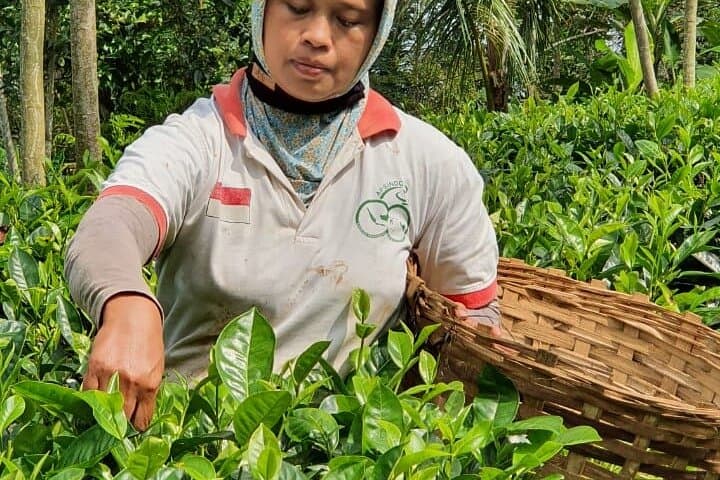
Geologically the Menoreh range is a low volcanic highland west of Yogyakarta, its soil rich in volcanic minerals that give the tea a bright, vegetal quality. Culturally, the plantations are woven into Javanese village life: many plots are family-owned, and artisanal processing here recalls techniques introduced during the colonial era but adapted by local hands. Expect to meet growers who will show you plucking technique, sun-withering racks, and the subtle difference between green and white tea processing.
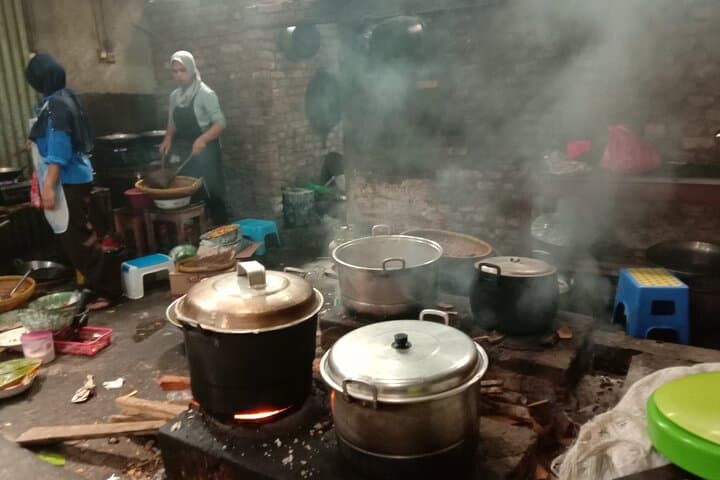
The walk is gentle—terraced farm tracks, occasional stone steps, and shaded village lanes. Birds call from the forest edge and a light breeze moves through the rows as if testing the next leaf. After a short harvest lesson you’ll watch leaf sorting, try hand-rolling and finish with a Javanese lunch at a joglo-style restaurant where the tea tasting closes the loop.
Practical guidance: plan for a five-hour window from Yogyakarta, wear sturdy walking shoes with good grip for muddy slopes, carry sun protection and a refillable bottle. Morning light is best for photos and cooler temperatures; afternoons can be humid and may bring brief tropical showers. Respect private plots, ask before photographing people, and bring small cash for village purchases.
easy.
5 hours.
Suitable for most fitness levels; expect several short walks on uneven terraces and village lanes.
Most tours include transportation; expect a 45–75 minute drive west of central Yogyakarta depending on traffic and exact pickup point.
Yes—this is family-friendly. Paths are easy but supervise young children near terraces and processing equipment.
Local operators can often accommodate vegetarian requests if informed in advance via booking questions—notify them about allergies or preferences.
Terrain includes uneven steps and soft soil; the tour is not fully wheelchair-accessible and may be challenging for limited mobility.
Tea and coffee cultivation expanded in central Java during the colonial period; today many Menoreh plantations are run by smallholder families preserving local processing methods.
Support local growers practicing organic methods, stay on established paths to limit erosion, and avoid single-use plastics to reduce impact on village ecosystems.
JAVA BALI TRIPS operates guided outdoor trips and adventures with an emphasis on safety, stewardship, and memorable experiences.
You step off the minivan onto a green slope where neat rows of tea cut through humid air; leaves glint with morning dew and villagers move with deliberate ease. The Menoreh hills welcome you not with fanfare but with a patient, agricultural rhythm—rows of Camellia sinensis that have been coaxed into smallholder terraces for generations.
You step off the minivan onto a green slope where neat rows of tea cut through humid air; leaves glint with morning dew and villagers move with deliberate ease. The Menoreh hills welcome you not with fanfare but with a patient, agricultural rhythm—rows of Camellia sinensis that have been coaxed into smallholder terraces for generations.
Geologically the Menoreh range is a low volcanic highland west of Yogyakarta, its soil rich in volcanic minerals that give the tea a bright, vegetal quality. Culturally, the plantations are woven into Javanese village life: many plots are family-owned, and artisanal processing here recalls techniques introduced during the colonial era but adapted by local hands. Expect to meet growers who will show you plucking technique, sun-withering racks, and the subtle difference between green and white tea processing.
The walk is gentle—terraced farm tracks, occasional stone steps, and shaded village lanes. Birds call from the forest edge and a light breeze moves through the rows as if testing the next leaf. After a short harvest lesson you’ll watch leaf sorting, try hand-rolling and finish with a Javanese lunch at a joglo-style restaurant where the tea tasting closes the loop.
Practical guidance: plan for a five-hour window from Yogyakarta, wear sturdy walking shoes with good grip for muddy slopes, carry sun protection and a refillable bottle. Morning light is best for photos and cooler temperatures; afternoons can be humid and may bring brief tropical showers. Respect private plots, ask before photographing people, and bring small cash for village purchases.